
February the 18th, 2026 – Just how concerned is Croatia’s population about national security? The latest research delves deeper into how safe people are feeling.
As Poslovni Dnevnik writes, the latest Flash Eurobarometer survey was conducted back in early January across all 27 EU Member States and published very recently. Released just ahead of the Munich Security Conference, the newest survey shows that 68% of Europeans believe that their country faces a significant security threat.
The results show that unease is felt across the entire European Union, apparently due to geopolitical turbulence and the ongoing war in nearby Ukraine. The perception of threat varies considerably across the countries. According to the Eurobarometer findings, France has recorded the highest level of perceived threat at a concerning 80%, followed by the Netherlands and Denmark with 77%, and Cyprus and Germany with 75%.
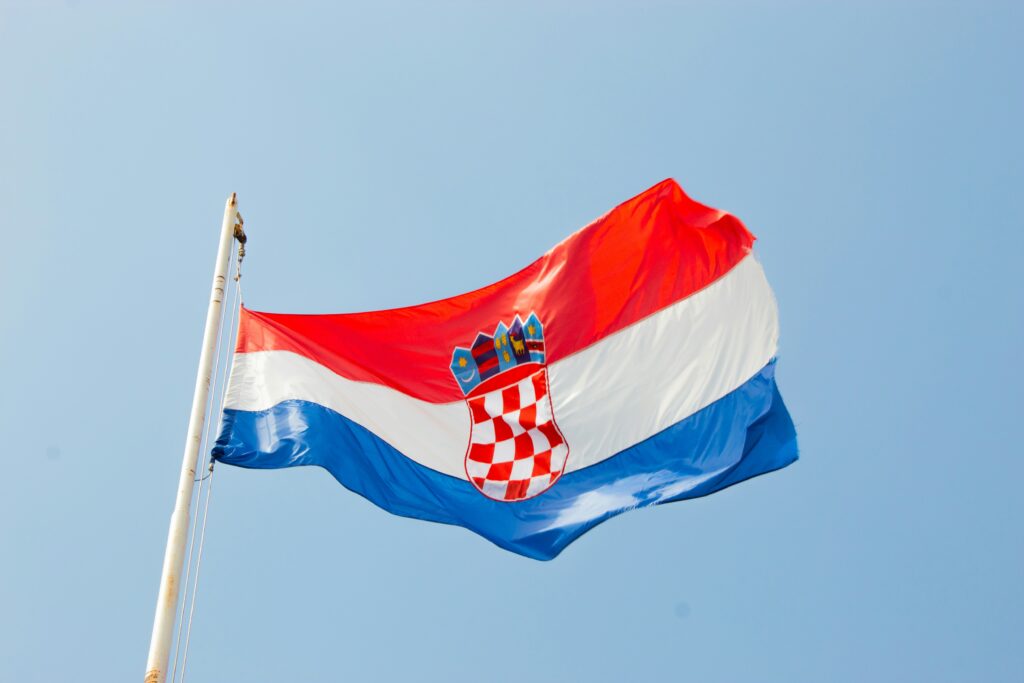
When it comes to the question of how Croatia’s population feels about national security, that figure is far lower. When asked whether, given current worrying world events, the country’s security is at risk, respondents answered as follows: Only 13% “strongly agree”, 39% “somewhat agree”.
28% “somewhat disagree”, and 17% of Croatia’s population disagree entirely about any safety issues related to national security. Related to this fear, as many as 42% of respondents expressed concern that their personal security was at risk. The second question concerned trust in the EU’s overarching defence role.
The majority (52%) of Europeans said they believed that the European Union will likely strengthen security and defence as time goes on. Trust was particularly strong in Luxembourg (76%), Portugal (74%), Cyprus (73%) and Lithuania (71%).
Only eight percent of Croats fully believed in this, and 46% “mostly believed” in it, that is, over 50% of respondents in Croatia are confident that the EU as a whole is moving in the right direction in terms of defence. 31% “don’t believe this will occur more than they do believe it” and 11% “do not believe that at all”.
The data suggests that, although the EU’s defence role has traditionally been non-existent, public opinion is moving towards greater acceptance of Brussels when it comes to serious security matters.
This marks a very big change in mentality. The new question concerned defence spending and the priorities of the so-called space policy. Specifically, the question was asked whether the current level of defence investment in the European Union is approved, or whether these investments should be increased.
Support for higher spending was recorded as being very high in Lithuania (80%), Portugal (89%), Finland (83%), Spain (80%) and Denmark (78%). Support for that is also relatively high in Croatia: 34% believe that current investments are insufficient, while 44% that they are adequate. Only 11% of respondents in Croatia believe that current defence spending in the EU is actually too high.
Space policy usually refers to the latest defence technology. Of the EU citizens surveyed, 53% identified security and defence as a key priority for EU space policy. This is followed by environment and climate (36%) and industrial competitiveness (31%).
Subscribe to our newsletter
the fields marked with * are requiredRelated posts:
 Arbitration: Slovenia’s Karl Erjavec Threatens Legal Proceedings Against Croatia
 Croatian MEP Tonino Picula: Croatia Not interfering In Bosnia’s Affairs, Expects Greater EU Involvement
 Kolinda Grabar-Kitarović to Attend Inauguration of Milanović
 Cooperation Memorandum Signed Between Croatia and Israel