June the 5th, 2026 – Croatia’s inflation problem is still very much in evidence almost everywhere you look, but what does it mean for this summer, particularly for households?
Croatia’s inflation rate may have eased slightly during the month of May, but for many households, the cost-of-living squeeze remains very real. According to preliminary data, annual inflation stood at 5.2% throughout May, down from 5.8% in April. While that represents a modest improvement, Croatia continues to rank among the countries with the highest inflation rates across the entire Eurozone.
These concerning figures highlight a challenge that has persisted long after the worst of Europe’s post-pandemic inflation shock. Prices are still rising faster than many consumers would like, particularly in sectors that have a direct impact on daily life.
Energy costs remain one of the biggest drivers. Recent data show continued strong growth in energy prices, while services inflation also remains elevated. Food prices have increased at a slower pace than during the peak inflation years, but they continue to put pressure on household budgets.
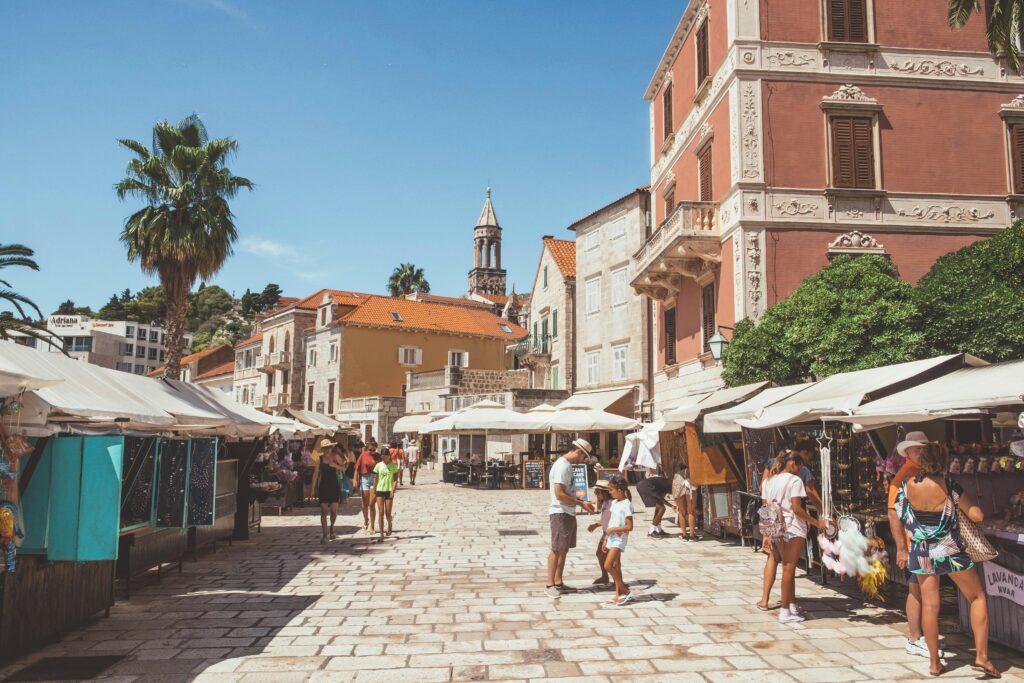
The timing is particularly significant as Croatia enters the heart of the tourist season. Every summer, attention turns to the cost of restaurants, accommodation, transport, and everyday goods, with both residents and visitors closely watching prices.
For Croatian households, the issue extends beyond tourism. Rising living costs have become one of the country’s most important economic concerns, influencing everything from wage negotiations to consumer spending habits. While salaries have increased in recent years, many workers argue that higher earnings are still being partially eroded by persistent price growth.
The latest figures suggest inflation is moving in the right direction, but not rapidly enough to remove pressure from household finances. Even with the annual rate falling from April’s level, prices remain significantly higher than they were just a few years ago.
Economists will now be watching whether the slowdown continues through the summer months. Seasonal demand, energy markets, and wider eurozone economic conditions will all play a role in determining how quickly inflation returns to more normal levels.
For now, the picture is mixed. The worst inflation spikes appear to be behind Croatia, but the cost-of-living debate is far from over. As the summer season gathers pace, households across the country are likely to continue asking the same question – when will prices finally stop rising faster than everyday budgets can possibly allow for?