June the 10th, 2026 – Croatian beaches are slowly shrinking, with many coastal settlements becoming more and more worried.
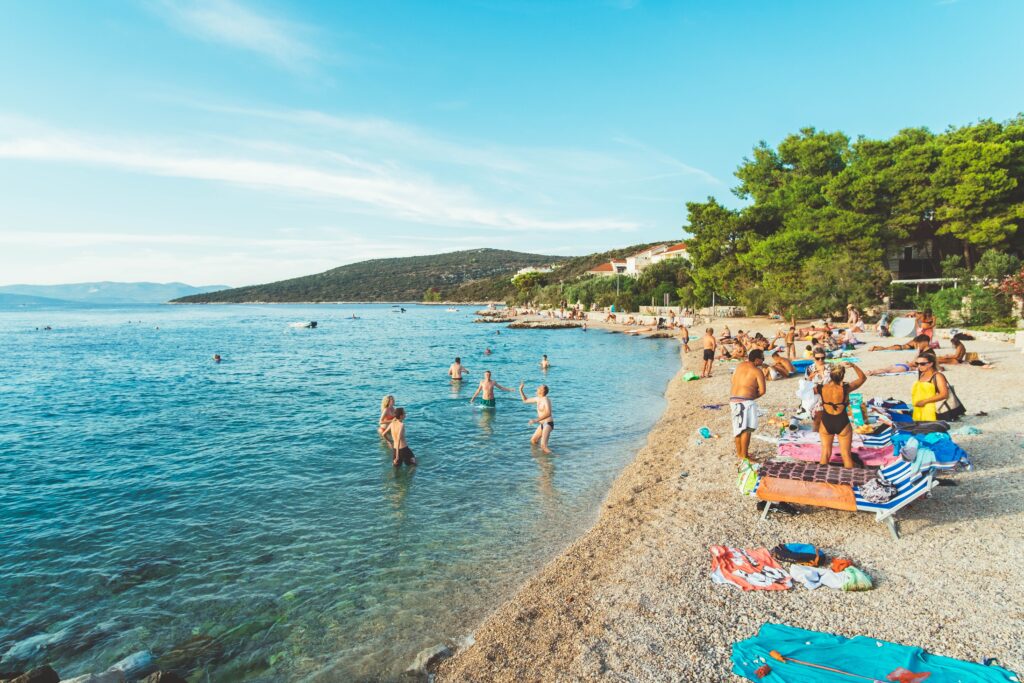
From the pebbled coves dotted up and down Dalmatia to the sandy stretches of the northern Adriatic, the coastline has helped transform Croatia into one of Europe’s most successful tourism destinations. However, behind the gorgeous postcard images, a growing problem is emerging along parts of the coast, and that’s that Croatian beaches, in some cases, are shrinking.
Local authorities, environmental experts and coastal communities are increasingly warning that erosion, rising sea levels and extreme weather are placing pressure on beaches that are vital not only for tourism but also for local economies. While the problem is not yet visible everywhere, many experts believe it will become one of Croatia’s biggest coastal challenges in the coming decades.
The sea is slowly changing the coastline
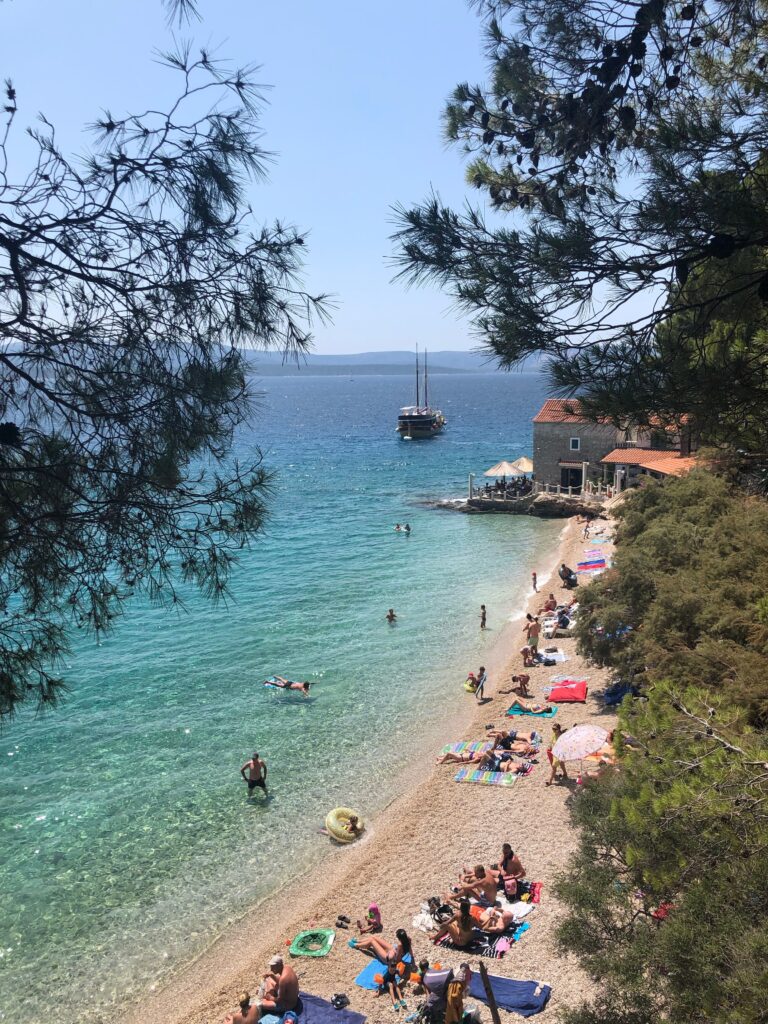
Coastlines are never static, no matter where you are in the world. The endless waves, currents and storms naturally reshape beaches over time. That’s all completely normal, but many scientists say climate change is accelerating some of these processes. Rising sea levels mean that even small changes can have a significant impact on narrow beaches. At the same time, stronger storms and more frequent extreme weather events can wash away large amounts of material in a matter of hours. For coastal municipalities, that often means expensive repairs and ongoing maintenance.
A growing concern for coastal croatia as beaches slowly shrink
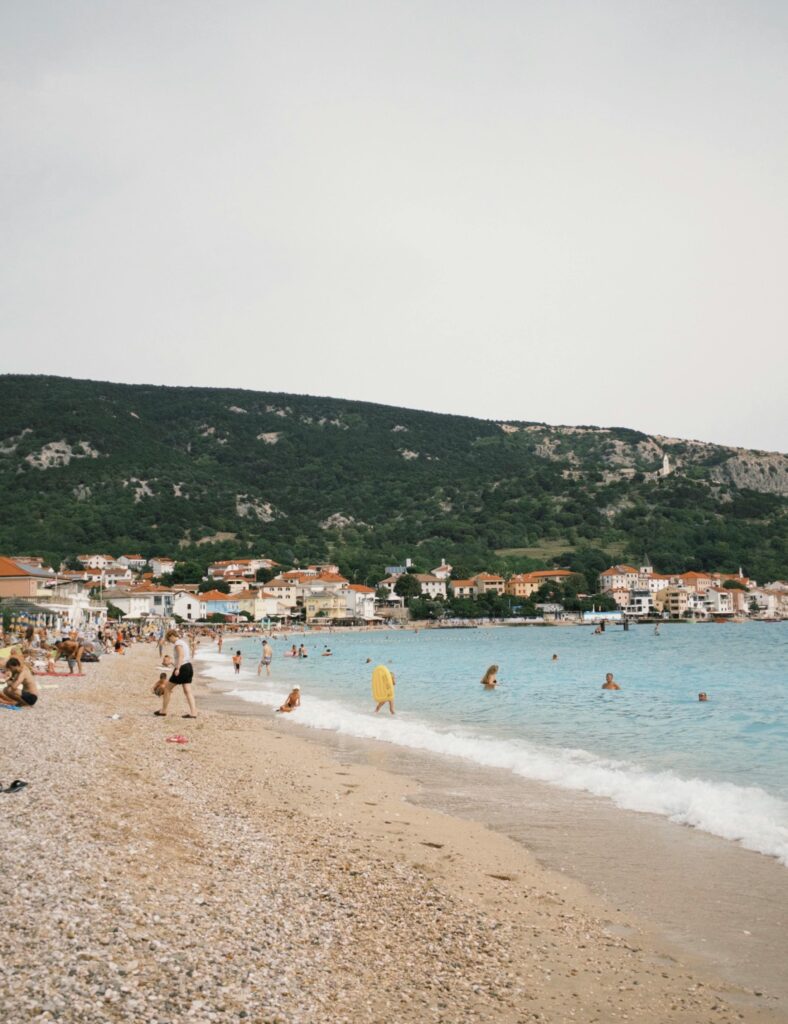
In many Croatian towns, beaches are not just recreational spaces, they’re the primary economic assets. Hotels, apartments, restaurants and beach bars all depend on attractive coastal areas that can accommodate large numbers of visitors. When Croatian beaches end up slowly shrinking, local businesses feel the impact. Some municipalities have already invested heavily in beach replenishment projects, importing stone, gravel or sand to restore areas damaged by storms and erosion. These projects can cost hundreds of thousands of euros and often need to be repeated multiple times, sometimes endlessly.
The challenge of artificial beaches and climate change

Many visitors assume Croatia’s beaches are entirely natural. In reality, a significant number have been modified, expanded or maintained over the years to meet tourism demand. Artificial beach enhancement has become common in popular destinations. While these projects can improve visitor experiences, they also require regular upkeep. A beach that appears stable today may need significant intervention after a single winter storm. As maintenance costs rise, some local authorities are questioning how sustainable the current model will be in the future.
The issue is becoming increasingly linked to climate change. Scientists across the Mediterranean have warned that coastal regions face growing risks from rising sea levels and changing weather patterns. Croatia’s globally beloved Adriatic is no exception. Although these natural changes may seem gradual, experts say the cumulative effect over decades could significantly alter parts of Croatia’s coastline. For a country so heavily dependent on coastal tourism, that presents a serious long-term challenge.
Not every beach is affected equally
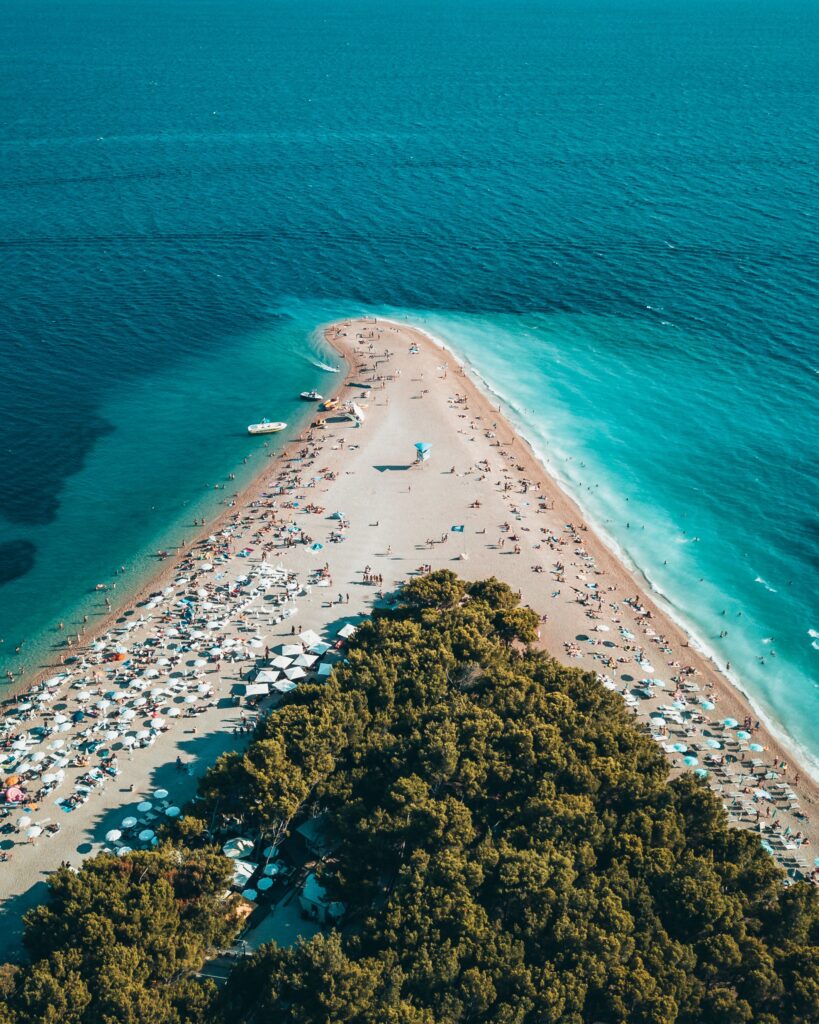
The situation varies dramatically from place to place. Some Croatian beaches are barely shrinking at all and currently remain relatively stable with no real sign of significant erosion. Others experience recurring problems after periods of bad weather. Local geography plays a major role. Protected bays often fare better than exposed stretches of coastline where waves and currents are stronger. That means solutions must be tailored to individual locations rather than applied universally.
Environmental groups argue that protecting beaches should not simply mean pouring more material onto the shoreline every year. Many experts advocate a more strategic approach that combines coastal management, environmental protection and sustainable tourism planning. The goal is not only to preserve beaches for visitors but also to protect ecosystems that support marine life and natural coastal processes. That balance is becoming increasingly important as visitor numbers continue growing.