June the 10th, 2026 – The Germans are returning to the Croatian property market after a marked slowdown caused by rising interest rates.
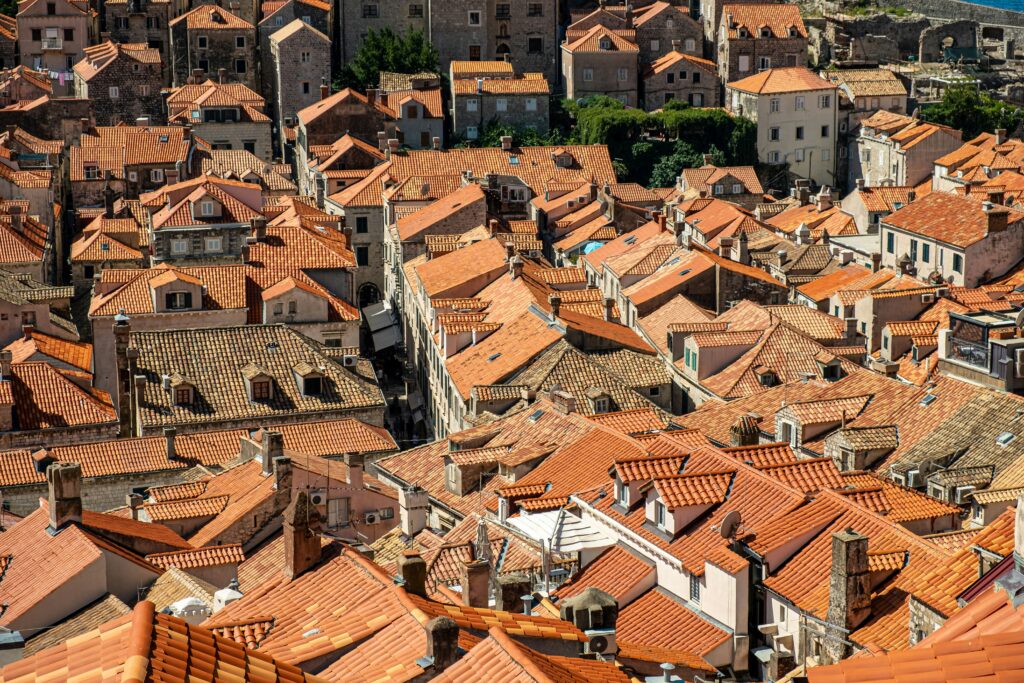
From Istrian stone houses and Kvarner villas to apartments dotted all along the Dalmatian coast, German buyers helped shape Croatia’s property market long before the country joined the European Union. After a slowdown caused by rising interest rates, inflation and economic uncertainty across Europe, there are growing signs that German interest in Croatian property is returning. For real-estate agents, developers and local communities, the trend could become one of the most important property stories of the coming year.
German tourists have been visiting Croatia for generations and are the country’s strongest tourism market to this very day. Many first arrived as holidaymakers before eventually deciding to purchase property of their own. The appeal isn’t exactly difficult to understand. Croatia offers a slower, Mediterranean lifestyle, it’s a relatively short drive from Germany and it has had property market that has (historically, at least) been more affordable than comparable destinations in Italy, France or Spain.
As a result, German buyers have consistently ranked among the largest groups of foreign property buyers.
The market cooled after the coronavirus pandemic boom
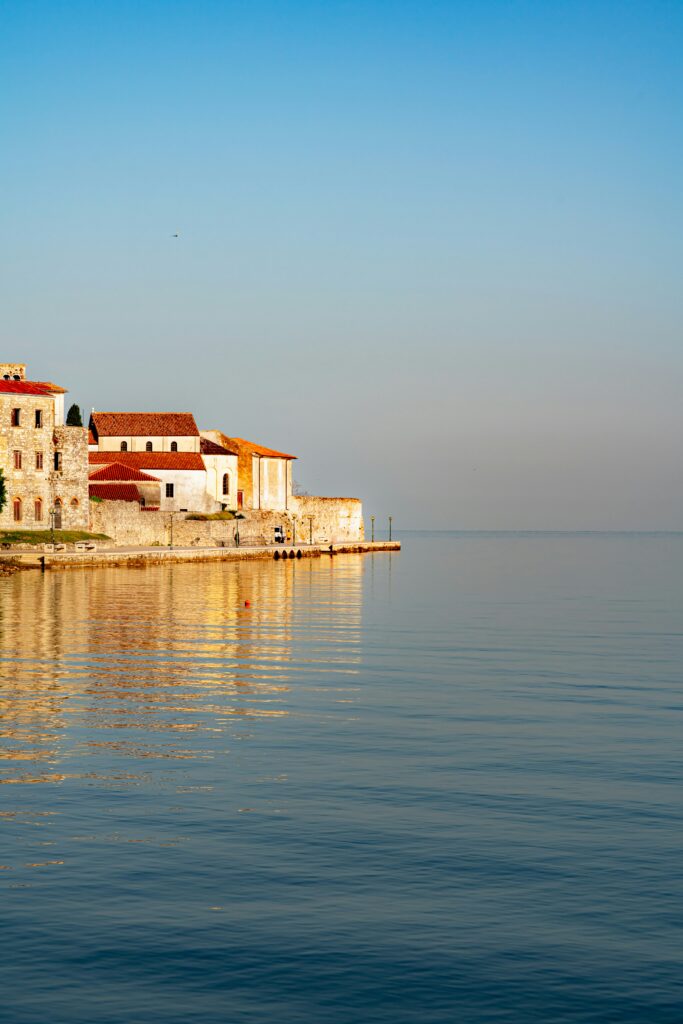
During and immediately after the pandemic, Croatia experienced a property boom. Demand surged as remote working became more common and buyers sought homes with outdoor space and access to nature. However, higher interest rates introduced by central banks across Europe eventually slowed activity. Many potential buyers postponed purchases as borrowing costs increased and economic uncertainty grew. The result was a quieter market compared with the frenzy seen back during 2021 and 2022.
Signs of renewed interest are brewing…
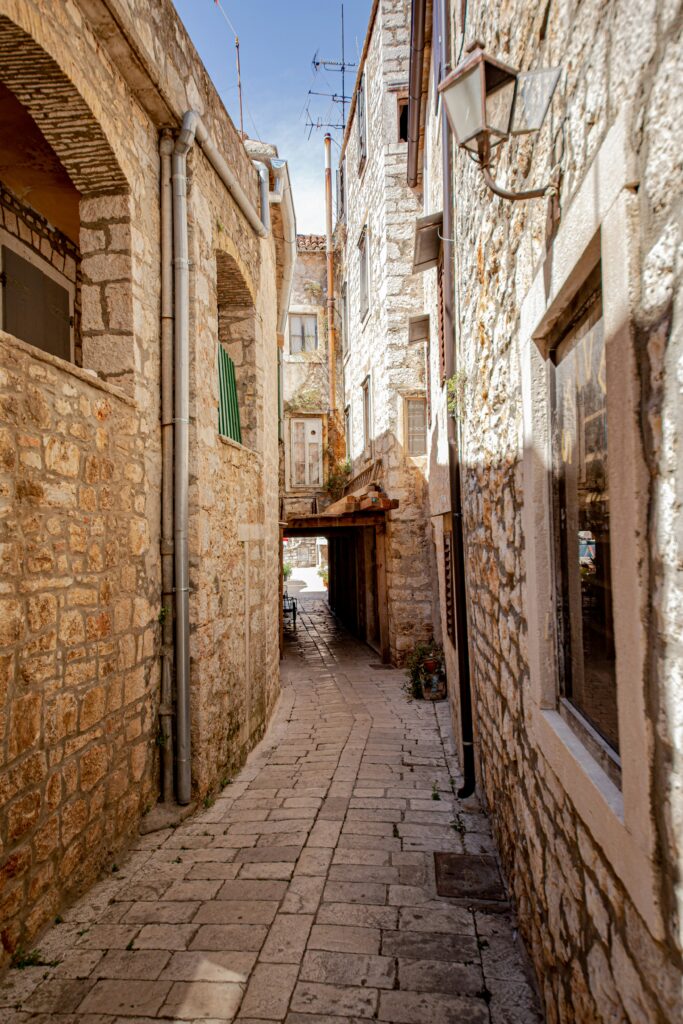
Looking at the situation as it stands today, real-estate professionals report growing interest from German buyers once again. Property inquiries have increased in several coastal regions, particularly in Istria and northern Dalmatia. While transaction volumes have not yet returned to peak levels, many agents believe confidence is slowly returning. Croatia’s Eurozone accession has also helped remove one barrier for buyers from other Eurozone countries, making transactions simpler and easier to understand across the board.
Today’s buyers are often different from those of previous decades. Rather than simply purchasing holiday apartments, many are looking for properties that can serve multiple purposes. Some want second homes where they can spend several months each year. Others see Croatian property as a long-term investment. A growing number are also considering permanent relocation, particularly retirees seeking a warmer climate and lower living costs than in parts of Western Europe.
Istria remains the favourite

Although interest exists throughout the country, Istria, with its blend of Italian and Croatian, continues to dominate foreign demand. This unusual and fatally beautiful region’s combination of beautiful coastline, excellent infrastructure, strong gastronomy and proximity to Central Europe makes it especially attractive. Many Germans returning to the Croatian property market can drive from southern Germany to Istria in just a few hours. That convenience remains one of Croatia’s biggest advantages compared with more distant Mediterranean destinations.
Rising prices create challenges

The return of foreign demand is not universally welcomed. Some residents worry that additional international buyers could push property prices even higher in already expensive coastal markets. Housing affordability has become a major issue in many Croatian towns and cities. Local buyers increasingly struggle to compete with wealthier foreign purchasers, particularly in popular tourist destinations. As a result, foreign investment remains a politically sensitive topic.
Supporters argue that foreign buyers bring significant benefits. Property renovations create work for local construction companies, tradespeople and suppliers. New residents spend money in restaurants, shops and local businesses. Many municipalities also benefit from increased tax revenues and investment in neglected properties. Across some smaller communities, foreign buyers have helped revitalise areas that might otherwise have continued losing population.
More than a property story
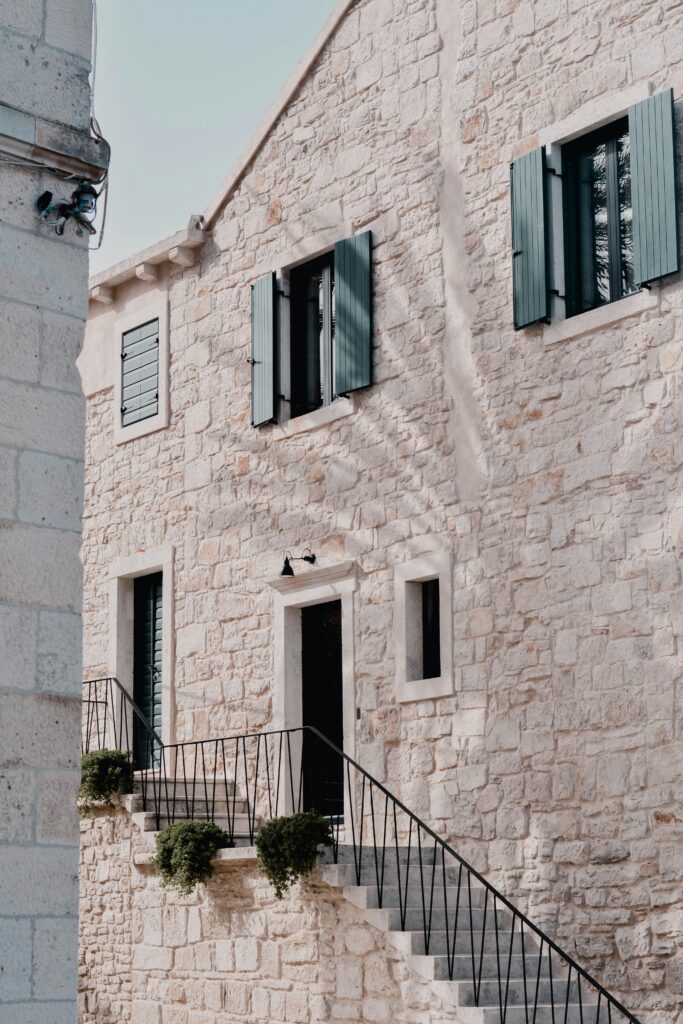
The renewed interest from Germans in the Croatian property market reflects broader changes taking place across Europe. Remote work, demographic shifts and changing lifestyle priorities are influencing where people choose to live and invest. Croatia is increasingly benefiting from those trends. The country is no longer viewed solely as a holiday destination. For many Europeans, it is becoming a place where they can imagine spending part (or all )of their lives.
Whether German demand continues growing will depend on interest rates, economic conditions and future property prices. However, early signs suggest Croatia remains firmly on the radar of Europe’s largest economy. For a country where tourism and property are closely linked, that matters. Because when Germans start buying again, the effects are often felt far beyond the real-estate market itself. If these current trends continue, Croatia’s coast could once again find itself at the centre of a new wave of foreign investment.