June the 10th, 2026 – For very many years now, Croatia has been known as one of Europe’s top holiday destinations. European retirees from various countries also moved to Croatia, but spiralling prices could put an end to that trend.
From the Istrian peninsula and Kvarner to Dalmatia and the islands, growing numbers of retirees from across Europe, from the United Kingdom Germany, Austria, the Netherlands and Scandinavia and more have chosen to spend extended periods or even settle permanently on the Croatian coast.
Drawn by sunshine, safety, excellent food and a relaxed lifestyle, many see Croatia as an attractive alternative to more expensive Mediterranean destinations. But as property prices, rents and everyday living costs continue to rise, some are beginning to ask one very simple question: How long will Croatia remain affordable enough to attract them?
For decades, foreign visitors came to Croatia for a few weeks each summer before returning home. Today, many are staying much longer. Real estate agents along the coast report increasing interest from retirees looking for second homes, long-term rentals or permanent residences. Unlike digital nomads or seasonal tourists, retirees often spend several months each year in Croatia, contributing to local economies throughout the year rather than only during the peak tourism season. For many coastal towns, that makes them particularly valuable residents.
Why Croatia’s coastline and islands appeal to retirees (for now, anyway)
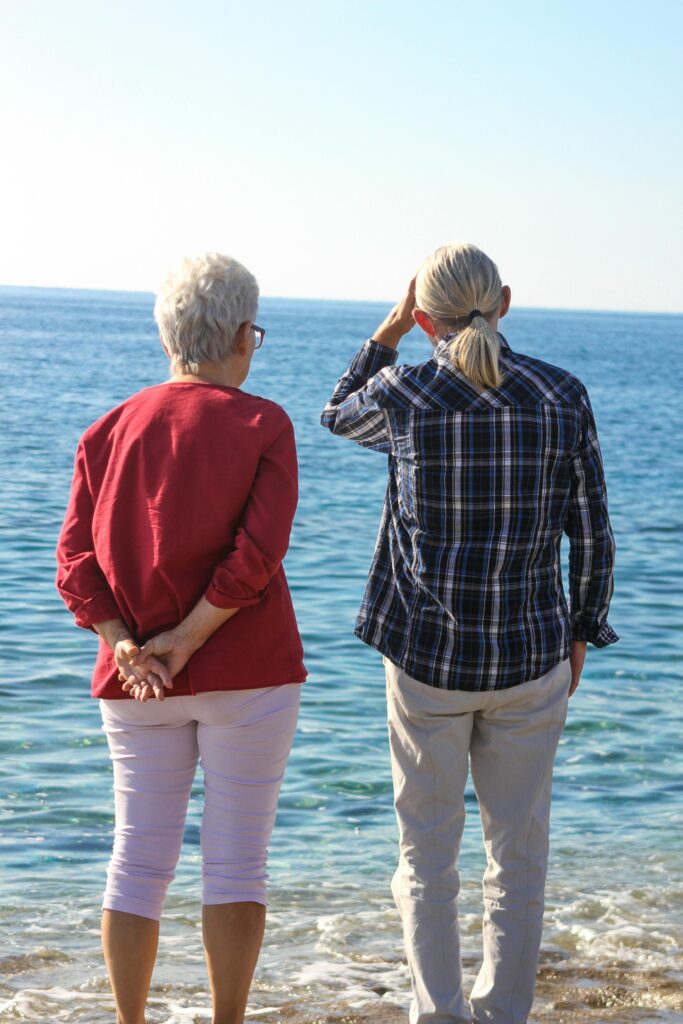
The reasons anyone is attracted to Croatia are not exactly particularly difficult to understand. Compared with much of Western Europe, Croatia still offers a high quality of life at a relatively moderate cost. The climate is nice (if not much too hot at times), the socialised healthcare system runs in more or less entirely the same way as elsewhere across Europe, and crime rates are exceptionally low.
For retirees from Germany or Austria in particular, the Adriatic coast can often be reached within a day or so’s drive. Many also appreciate Croatia’s slower pace of life, outdoor culture and strong sense of community.
The property factor that once drew many is now a point of contention

Property remains one of Croatia’s biggest attractions. Although prices have risen significantly in recent years, many areas still appear affordable when compared with parts of Germany, Austria, Italy or France. A retiree selling a property in Munich, Hamburg or Amsterdam can often purchase a home on the Croatian coast and still have money remaining. That financial advantage has played a major role in attracting foreign buyers.
The challenge is that Croatia itself is changing. Since joining the Eurozone and experiencing a largely tourism-driven property boom, prices have risen sharply across much of the country.
Housing costs have increased, restaurant prices have climbed, utilities and services are becoming more expensive. Even many people born and raised on the Croatian coast now complain that parts of the coast feel significantly less affordable than they did just a few years ago. The same trends are being noticed by foreign retirees. Though there are still plenty of foreigners purchasing old houses, renovating them and turning them into sources of income, pockets are getting more shallow. This is also met with resistance from some local people feeling priced out of the communities in which they grew up, especially on the islands.
The affordability advantage is shrinking
For now, Croatian property still remains at least somewhat cheaper than many Western European countries, but the gap is narrowing. In some of the most popular destinations, property prices have doubled over the past decade. Long-term rental availability has declined as more properties enter the short-term tourism market. Some European retirees who initially viewed Croatia as a budget-friendly Mediterranean option are beginning to compare costs with Portugal, Greece or parts of Spain. If prices continue rising faster than incomes and pensions, Croatia could lose one of its biggest competitive advantages.
Local authorities face a difficult challenge. Foreign retirees bring investment, support local businesses and help extend economic activity beyond the summer season.
At the same time, rising demand for property can place additional pressure on housing markets already struggling with affordability. The issue is familiar across Europe. Many desirable coastal regions benefit economically from foreign residents while simultaneously grappling with the impact on local housing costs. Croatia is increasingly facing the same dilemma.
Despite concerns about affordability, experts believe the long-term trend remains positive. Europe’s population is ageing, and millions of retirees are actively looking for places that offer good weather, safety and a high quality of life. Croatia ticks many of those boxes without a problem. The country also benefits from its location, modern infrastructure and growing international reputation. As a result, competition for European retirees is likely to become an increasingly important part of the Croatian and wider European tourism and property market.
Can Croatia remain the retirement bargain for western europeans, or has the bubble burst?
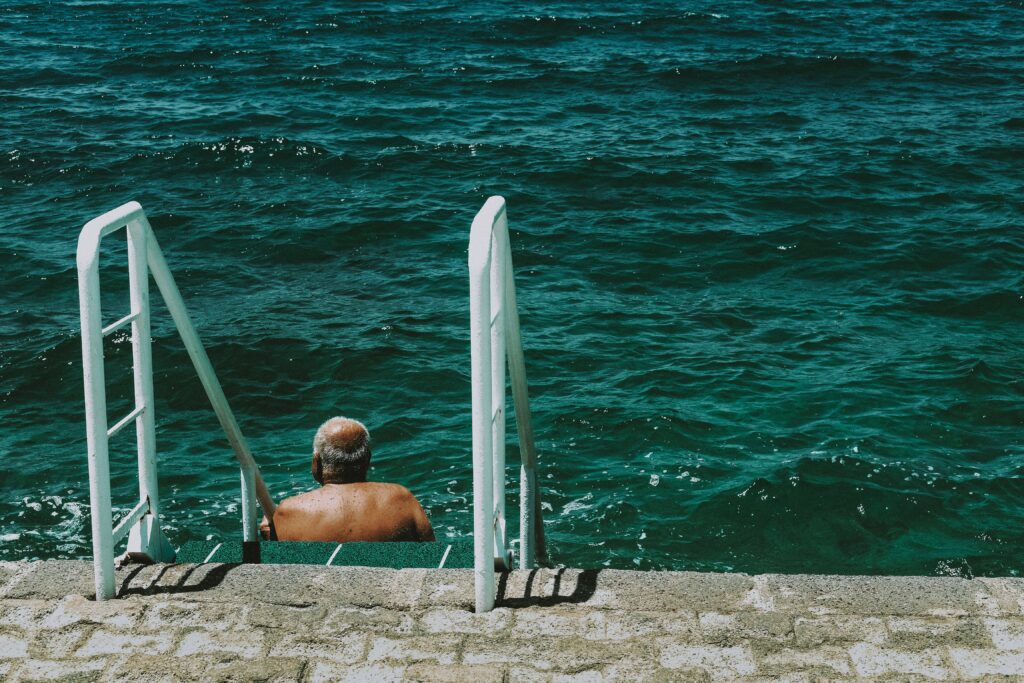
The question now is whether Croatia can maintain the balance that made it attractive in the first place. For many European retirees, the appeal Croatia holds has never been luxury but value. For decades, Croatia (and indeed the former Yugoslavia), offered the chance to enjoy a Mediterranean lifestyle without paying Mediterranean prices. If costs continue rising at their current pace, that equation may begin to change.
For now, however, the Adriatic dream remains alive. The challenge for Croatia is ensuring it stays within reach, not only for foreign retirees, but more importantly for the local people who already call the coast home.