May the 21st, 2026 – Foreign buyers are falling head over heels in love with Croatia’s iconic stone houses, and it’s becoming a real out-pricing issue for locals.
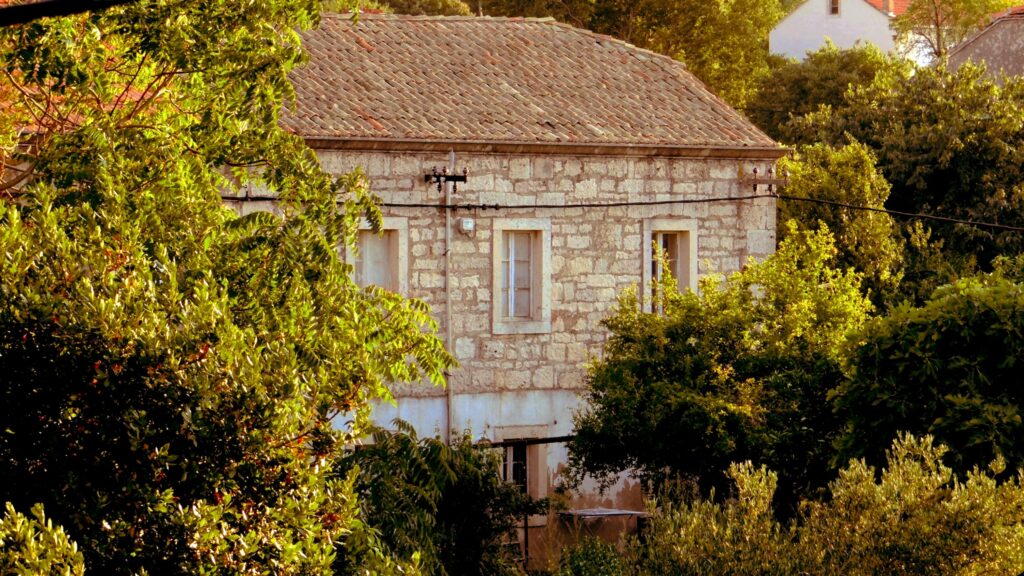
Croatia’s famous old stone houses that once sat abandoned for decades are increasingly being restored, renovated and purchased by foreign buyers drawn to Croatia’s combination of Mediterranean lifestyle, traditional architecture and relative affordability compared to western Europe. While this side of the coin is positive, the other side is the creeping prices in coastal communities and on the islands which are pushing local people away.
Demand for traditional stone properties is now becoming one of the Adriatic’s most distinctive property trends, and in some areas, it is beginning to reshape entire villages.
Traditional Dalmatian and Istrian stone homes carry enormous visual appeal internationally. Thick stone walls, shutters, courtyards and centuries-old architecture fit perfectly into the Mediterranean lifestyle image many foreign buyers seek when looking for second homes or relocation opportunities. What locals once often viewed as outdated rural properties are increasingly being marketed internationally as authentic luxury experiences. That shift in perception has dramatically increased demand from abroad.
foreign buyers are buying up croatia’s old houses and transforming them
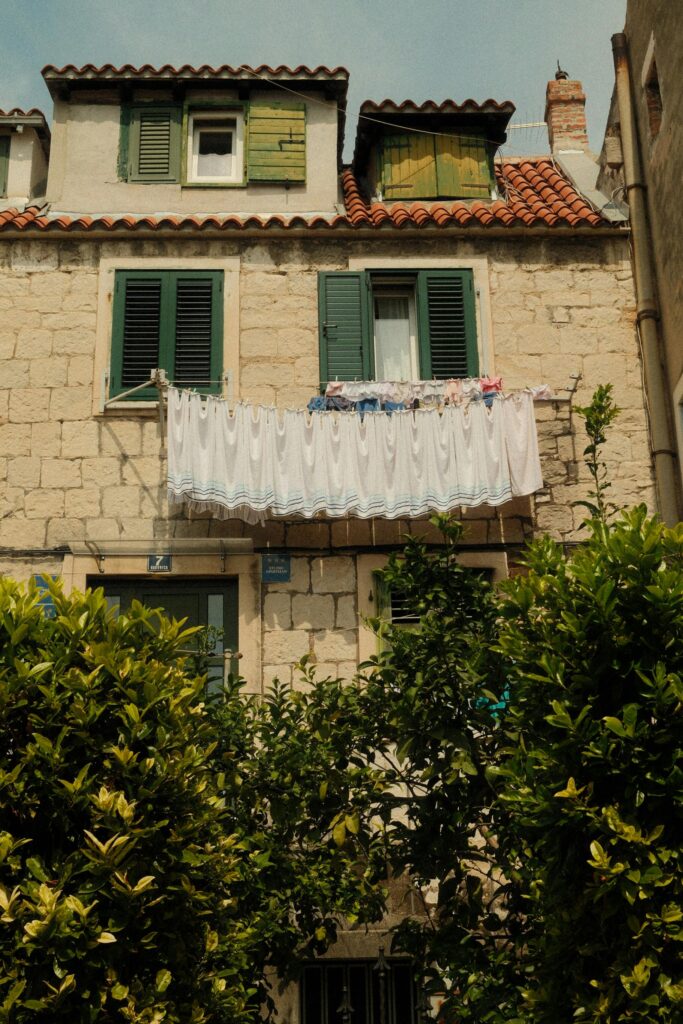
Foreign buyers from Germany, Austria, Slovenia and other western European countries are increasingly searching for restored stone houses in coastal and semi-rural areas. The beautiful Istrian peninsula has become especially popular due to its proximity to the rest of central Europe, strong reputation in the local produce sector, as well as Italian-influenced architecture and local culture.
Further south in Dalmatia, what typically attracts buyers is the much more dramatic coastal settings and island lifestyles. All across both regions, foreign buyers view Croatia’s iconic old stone houses not simply as investments, but as lifestyle purchases.
long-abandoned old villages are coming back to life

One of the more surprising effects is that some small villages experiencing long-term depopulation are now seeing partial revival through foreign property investment. Ancient, dilapidated stone houses that sat empty for years or even decades are now being renovated into holiday homes, boutique rentals or seasonal residences.
In some inland areas, renovation activity has visibly transformed entire streets that previously appeared abandoned. Supporters argue this helps preserve architectural heritage that might otherwise collapse or disappear entirely.
At the same time, rising foreign demand is contributing to broader property affordability pressure in many coastal regions. There is plenty of understandable frustration among younger local buyers who feel priced out of traditional homes in areas where international purchasing power dominates the market. In some villages and islands, locals worry that seasonal ownership is replacing permanent community life. This creates a growing tension between economic revitalisation and fears of depopulation by another form.
Part of the appeal lies in the pure authenticity of these houses and locations. Foreign buyers often seek out old homes that feel historically and culturally rooted rather than generic modern apartments. Croatia’s old stone houses offer exactly that: very visible history, regional character and architectural uniqueness difficult to replicate in newer developments.
Ironically, many properties once considered economically unviable are now among the most desirable segments of Croatia’s coastal real estate market.
The rise of remote work has also strengthened demand. Foreign professionals increasingly view Croatia not only as a holiday destination, but as a place where they can spend months at a time working remotely while enjoying Mediterranean lifestyle advantages. Restored stone houses fit naturally into that trend, especially in quieter rural or semi-coastal environments.
For years, many inland and traditional coastal communities struggled economically as younger populations moved toward larger cities or abroad. In the present day, some of those same landscapes are attracting entirely new forms of international interest. Croatia’s rural architecture, slower pace of life and historic villages are increasingly becoming economic assets in themselves.
The trend remains uneven, and many abandoned properties still require enormous investment to restore. With that being said, the direction is abundantly clear: Croatia’s famous traditional stone houses are no longer viewed as remnants of the past. They are swiftly becoming part of Croatia’s future tourism, lifestyle and real estate economy. Across the Adriatic, old villages that once seemed forgotten are quietly becoming internationally desirable again.
Subscribe to our newsletter
the fields marked with * are requiredRelated posts:
 One of the biggest yachts in the world: ”Ocean Victory” near Plat
 Mljet Plans to Electrify as Many Boats as Possible
 Chef Tomica Đukić Delights Food Influencers With Modern Take on Slavonian Cuisine at Panona Mare Event
 Dalmatian Islands Environment Foundation Launches Crowdfunding Campaign to Protect Coral on Island of Iž