May the 21st, 2026 – Finding parking, not getting a fine slapped on your windshield, and actually being able to keep your car there for any period of time in Croatia is becoming part of the entire holiday experience for some. Nowhere is this more true than in summer, more or less anywhere on the coast.
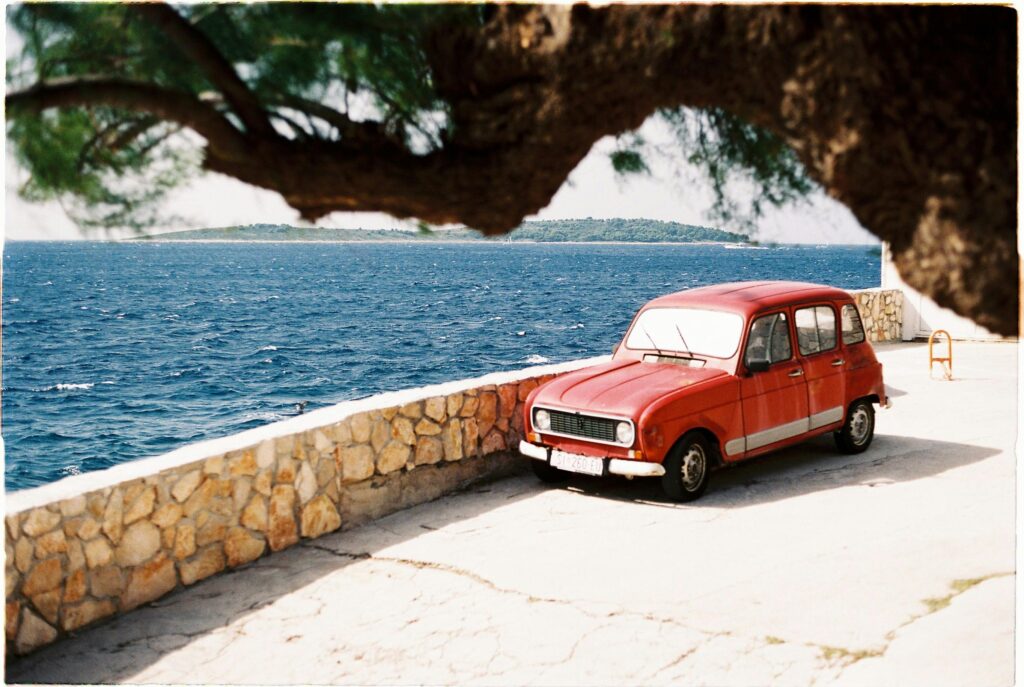
For many people driving to the Adriatic each summer, the Croatian holiday experience now includes something increasingly unavoidable: searching, often for an extended period of time, for parking.
What was once a minor inconvenience is becoming a growing source of frustration across coastal towns and cities, as Croatian-language media increasingly report complaints about limited parking spaces, rising prices and aggressive enforcement during peak tourist season. As another busy, crowded summer approaches, parking is quietly becoming one of Croatia’s most visible tourism infrastructure problems.
Unlike many island or city destinations reached mainly by air or rail, Croatia still depends heavily on road tourism. Millions of visitors from Germany, Austria, Slovenia, Hungary, Poland and neighbouring countries arrive by car every summer, especially along the Adriatic coast. This creates enormous pressure on local infrastructure during July and August, particularly in historic coastal towns where urban layouts were never designed for modern traffic volumes.
ancient towns and cities simply don’t have the infrastructure
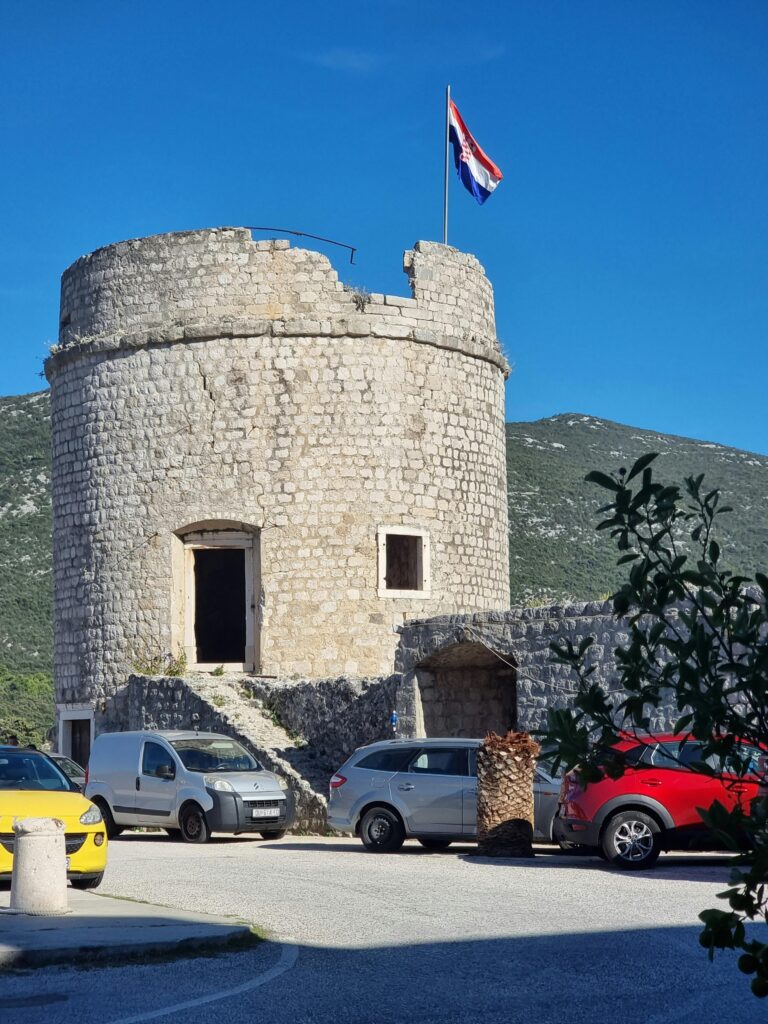
One major issue is coastal Croatia’s ancient geography itself. Many of Croatia’s most popular destinations, including old towns, island settlements and narrow coastal centres, were fully developed very many centuries before cars existed. It’s doubtful that the Ancient Greek or Roman settlers were thinking much about Hans from Munich and his Audi when they were constructing the streets.
Those aforementioned old streets are often extremely narrow, parking space is physically limited and expansion possibilities are restricted by heritage protection or terrain. As tourism numbers continue growing, demand for parking increasingly exceeds what many destinations can realistically provide.
in true croatian style, prices are a massive issue
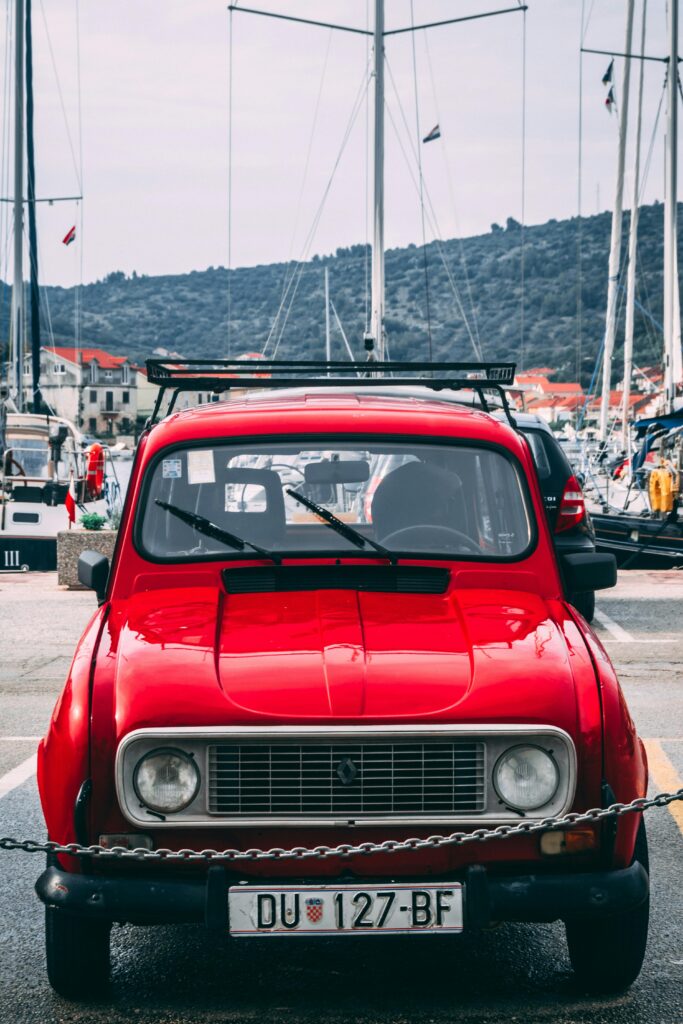
No matter where you look during summer in Croatia (or indeed any other time, nowadays), you’ll come across heated debates about seasonal parking costs. In some of the more popular coastal locations, daily parking prices now rival accommodation costs for shorter stays. Tourists frequently complain about expensive hourly rates, confusing parking zones and limited availability close to beaches or historic centres. Locals also increasingly express frustration about rising prices and reduced access during summer months.
At the same time, coastal authorities are intensifying parking enforcement nationwide. Totally illegal parking, blocked roads and traffic congestion create major operational problems during peak season, particularly near beaches and ferry ports. As a result, fines, towing operations and enforcement controls are becoming more aggressive in many tourist areas. For visitors unfamiliar with local parking systems, this can quickly become one of the most stressful parts of the holiday experience.
Many Croatian cities are now expanding digital parking systems and mobile payment applications to manage growing traffic demand more efficiently. While these systems improve organisation for some users, others, especially older visitors or foreign tourists unfamiliar with local apps, often find the transition confusing.
The shift toward digital management reflects broader attempts to modernise tourism infrastructure under increasing pressure.
locals have nowhere to park their own vehicles
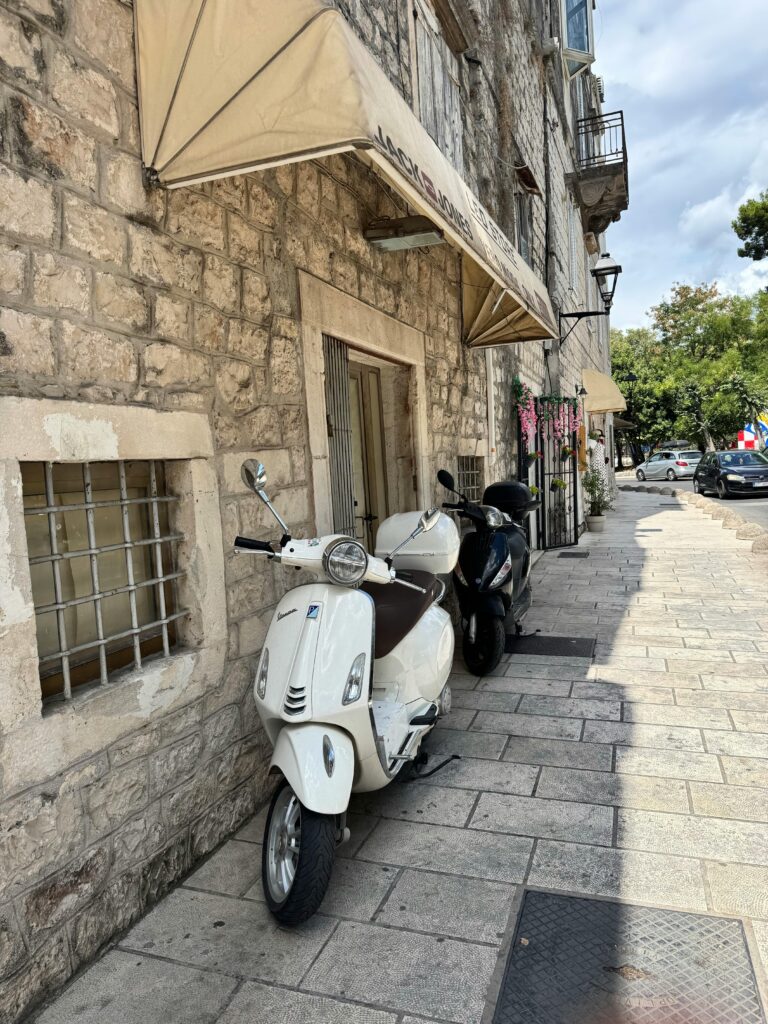
For the often deeply frustrated residents of coastal towns, the issue extends beyond tourism inconvenience. Summer parking shortages affect commuting, deliveries, emergency access and everyday life throughout the Adriatic. Some locals tend to totally avoid town centres entirely during the peak summer season due to traffic congestion and parking difficulties. This contributes to wider public debate about how tourism growth is affecting quality of life in Croatia’s coastal communities.
The irony is that parking pressure exists because Croatia remains one of Europe’s most successful car-accessible tourism destinations. Its location close to central Europe makes driving to the Adriatic relatively easy compared to many Mediterranean competitors. However, infrastructure growth has not always kept pace with tourism expansion. As visitor numbers continue climbing, mobility and urban management are becoming increasingly important parts of Croatia’s tourism strategy.
For years, Croatia’s tourism identity focused on beaches, islands and natural beauty. Now, practical infrastructure issues are becoming more visible too. The whole experience of visiting Croatia is shaped not only by where tourists stay, but also by how easily they can move around, park and function normally once they arrive. During the very height of the intensely busy summer season, finding a parking space anywhere along the Adriatic coast can sometimes feel almost as competitive as bagging a decently priced holiday itself.