May the 21st, 2026 – Three years have passed since the kuna was scrapped, and Croatia still has complicated feelings and a difficult relationship with the euro.
On paper, Croatia’s glistening EU transition is totally complete. Accession in July 2013, followed by Schengen accession and the adoption of the euro on the very same date a decade later. It was the first country to ever tick both boxes on the exact same date, and it was all a big song and dance for the powers that be. Not so, for the general population.
Prices are now firmly displayed in euros, salaries are paid in euros, and Croatia is fully integrated into the Eurozone economy. The beloved kuna is now kept in memory boxes, in coin collections, on keychains and down the sides of sofas.
In practice, discussion around the currency hasn’t disappeared, it has simply changed shape. The problematic euro is still emotionally and politically tied to one issue more than any other: the spiralling cost of living.
the kuna – gone, but never forgotten
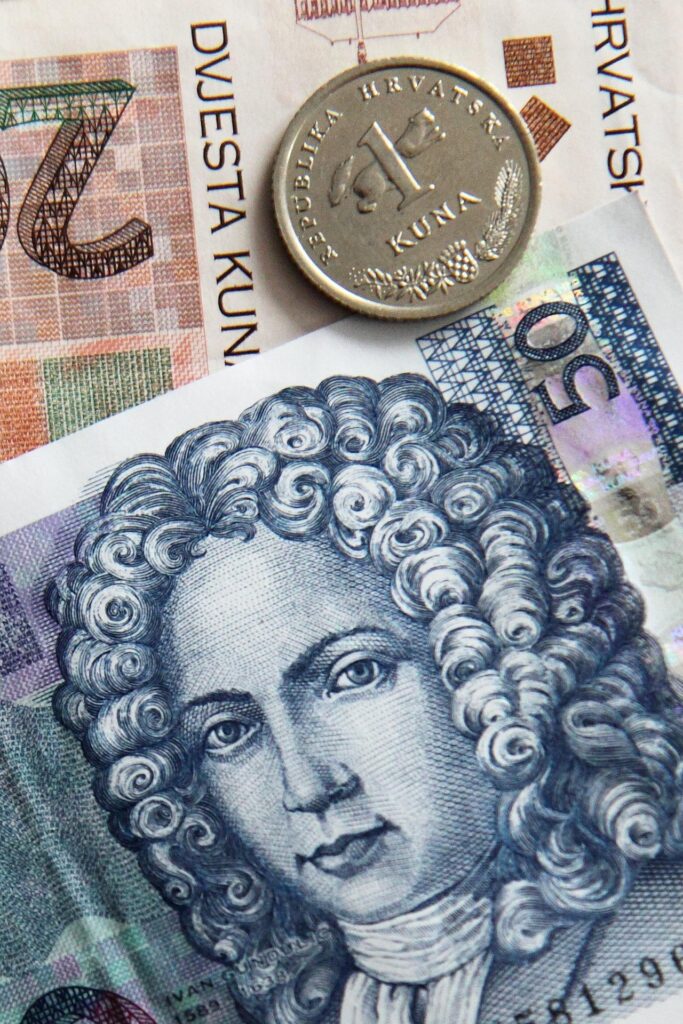
For many, the introduction of the euro in 2023 still feels relatively recent. The kuna was not just a currency, it was part of everyday Croatian identity for decades. Because of that, price comparisons between “then and now” remain common in public discourse, even when not always economically accurate. A coffee, a grocery bill, or a restaurant meal is often unconsciously measured against what it “used to cost in kuna”, even years after conversion.
That psychological comparison continues to shape how inflation is perceived.
inflation mired Croatia’s initial euro experience
Croatia’s early euro period coincided with a broader European inflation cycle, which made the transition politically sensitive. Even when price increases were driven by global energy costs, supply chains and wider Eurozone inflation trends, many consumers still associated changes directly with the currency switch. This perception gap, between macroeconomic explanations and everyday experience, is one reason the euro remains a recurring, burning media topic. The entire period was more of a “trust adjustment period” rather than a simple currency change.
As time has passed, the conversation has shifted away from whether the euro should have been adopted, and more toward what it means for Croatia’s economic position now. There’s still plenty of focus on competitiveness, wage growth, tourism pricing and alignment with Western European markets. Supporters of the euro argue that Croatia benefits from stability, lower transaction costs, easier trade and stronger investor confidence. Critics more often focus on pricing pressure, loss of monetary flexibility and the psychological impact of visible euro-denominated inflation.
tourism intensifies the euro debate
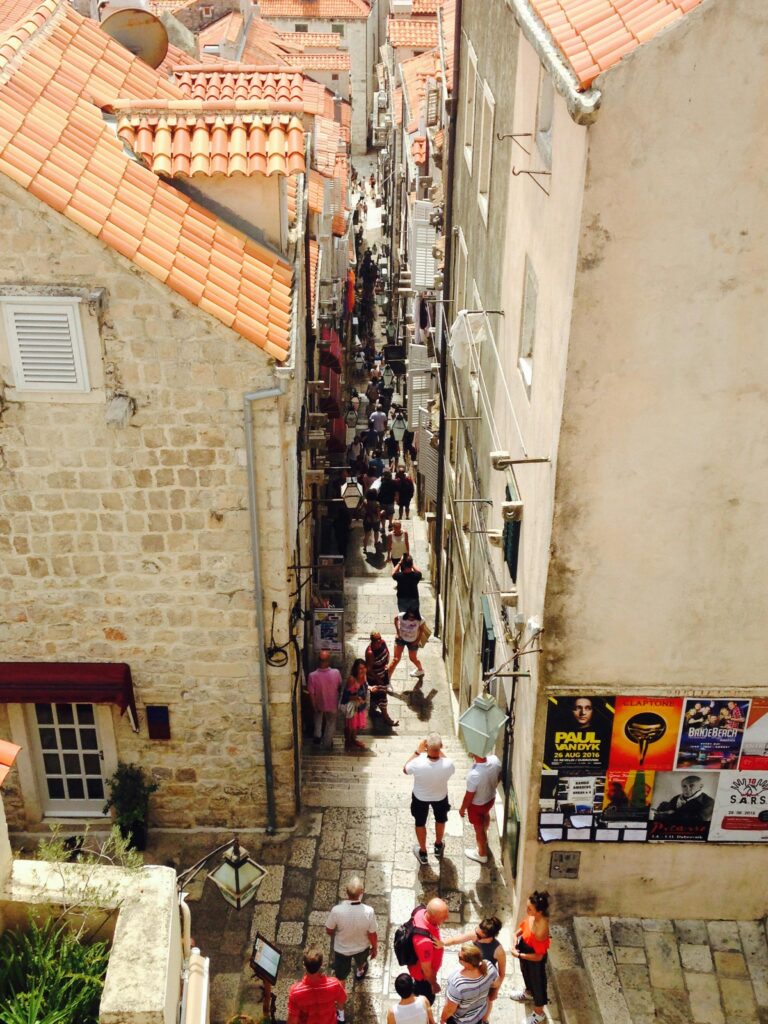
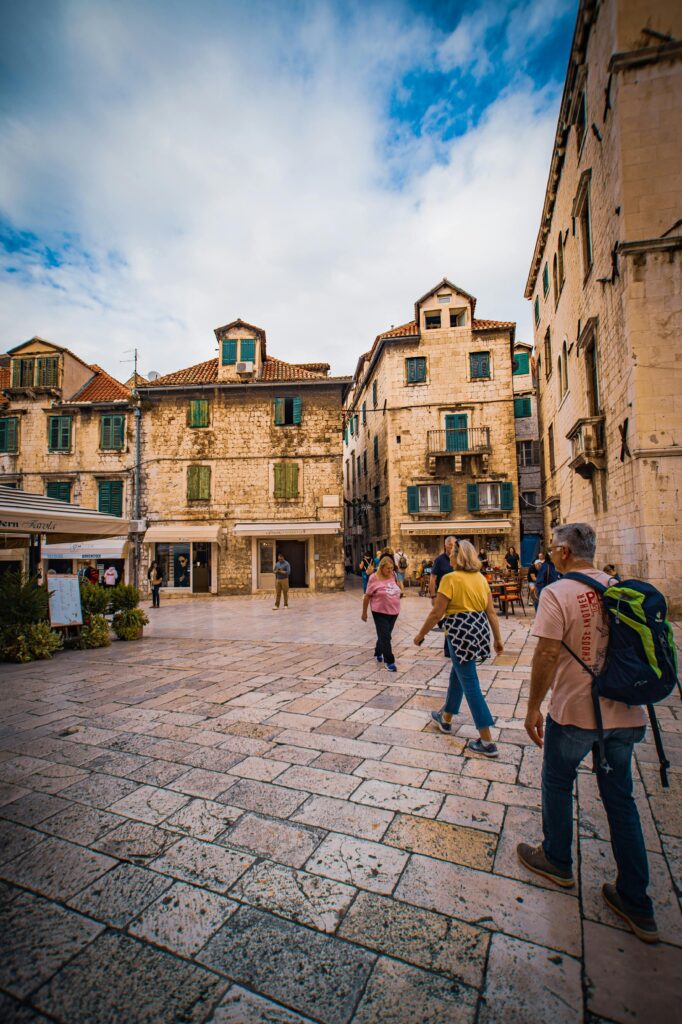
Croatia’s tourism-heavy economy plays a major role in how the euro is experienced in practice. Because many prices in coastal areas are effectively set according to international visitor spending power, locals often feel that everyday costs are being “pulled upward” by tourism demand. This effect is not new — but the euro makes price comparisons more immediate and transparent. A 3 euro coffee or a basic 20 euro beach lunch is now directly comparable across borders in a way that was less visually obvious in kuna. That transparency has helped keep the debate alive and kicking for the majority of people.
as with most things, even this debate is generational
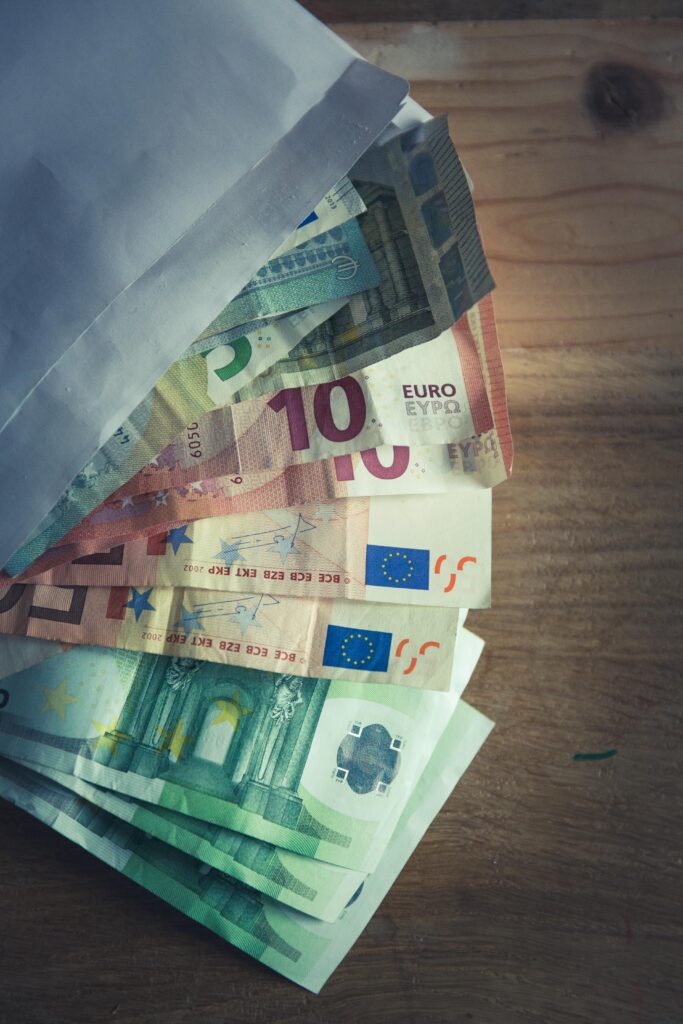
Generational differences are increasingly visible. Younger Croats who grew up with more exposure to Eurozone travel, digital payments and cross-border employment tend to view the euro as a natural part of economic life. For them, currency identity is less emotionally significant than for older generations who lived through monetary transition and earlier economic instability. As a result, the euro debate is gradually becoming less about identity and more about economic performance.
There are also constant comparisons with neighbouring countries that still use their own currencies. Inflation, wage levels and purchasing power differences across the region are frequently used to evaluate whether euro adoption has helped or hurt Croatia’s economic trajectory. At the same time, countries considering euro adoption in the future are often referenced in Croatian commentary as case studies in how the transition might unfold elsewhere.
politically symbolic coins and banknotes
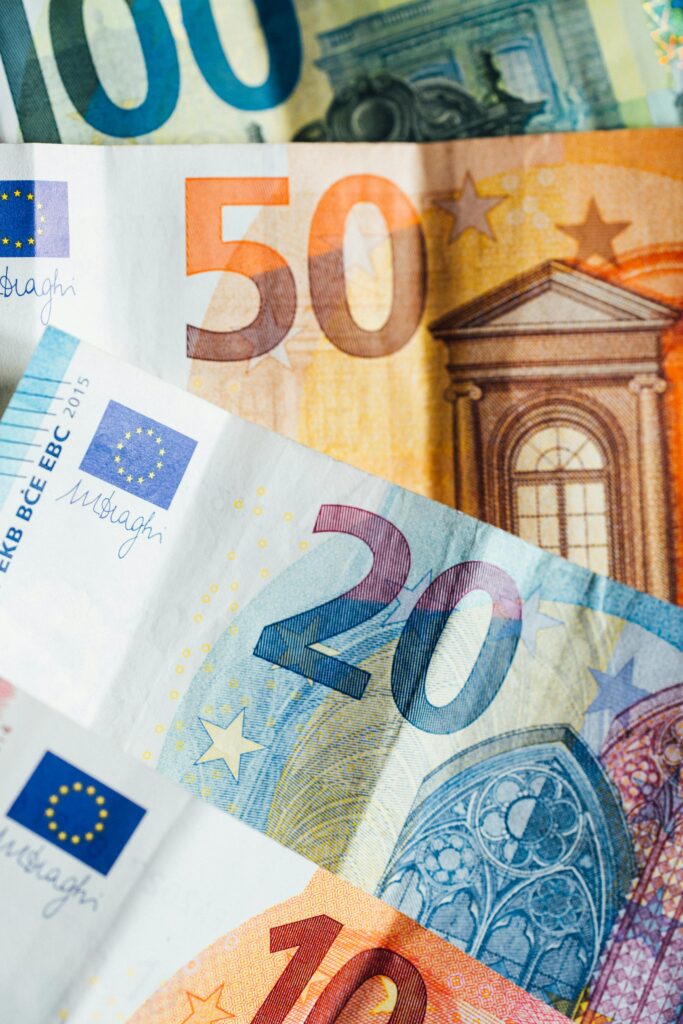
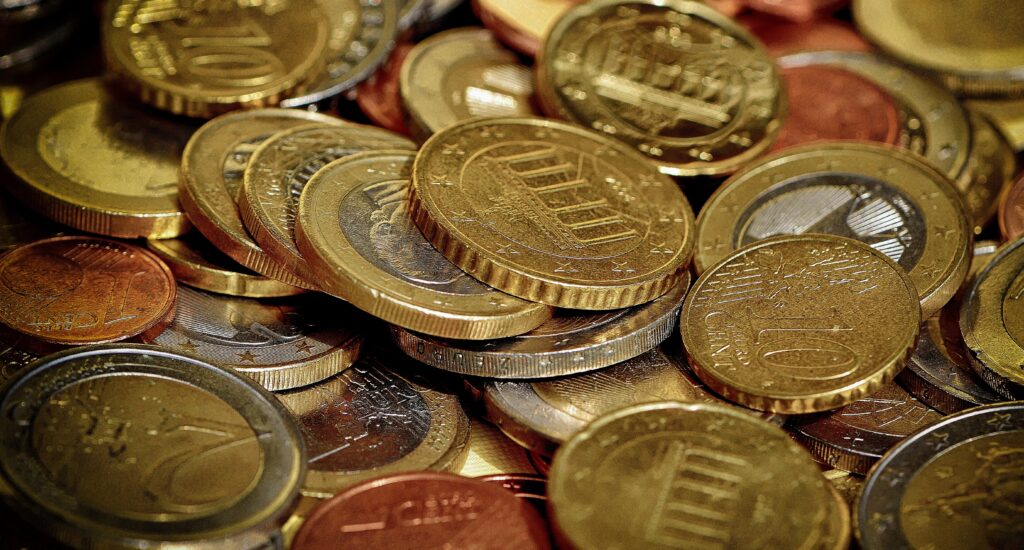
Ultimately, the euro in Croatia is no longer just a financial instrument. It has become a symbol within broader debates about economic development, European integration and living standards. For some, it represents stability and progress. For others, it has become associated with rising costs and reduced affordability. For many, it sits somewhere in between, it has to be accepted in practice, but is still hotly still debated in principle.
What is abundantly clear is that the euro has not faded into the background as quickly as many expected after adoption. It has remained part of ongoing conversations about inflation, wages, tourism and quality of life.
Three years on, Croatia’s experience suggests something simple but important, currency change may happen overnight, but economic and emotional perception takes much, much longer to settle.