

June the 11th, 2026 – Croatian landlords are rethinking the Airbnb and Booking.com dream as the government hits them with new levies and taxes just before we enter the height of the summer season.
Forget the American dream, for countless years, renting apartments to tourists up and down the coast and on the islands was the Airbnb dream for property owners. It truly seemed like one of the safest investments in Croatia. Property owners along the coast could earn in a few summer months what long-term rentals might generate over an entire year. Apartments were purchased specifically for short-term tourism, spare family homes were converted into holiday accommodation, and platforms like Airbnb and Booking.com transformed the way Croatians approached property investment.
However, a growing number of Croatian landlords are beginning to ask whether the model still makes sense and are rethinking the Airbnb dream. Rising taxes, new regulations, increasing competition and changing market conditions are forcing many property owners to reconsider what was once seen as an easy source of income.
The golden years of short-term rentals

The growth of private accommodation has been one of the defining stories of Croatian tourism over the past decade. As tourist arrivals surged, thousands of homeowners entered the rental market. Some converted garages, basements and family homes into tourist apartments. Others purchased properties purely as investments. The logic was very simple. A successful apartment on the coast could generate significantly higher returns than a traditional long-term rental. In many destinations, demand seemed endless, and outside of the renovation themselves, the work involved wasn’t exactly difficult.
Croatia’s apartment boom

The popularity of tourist rentals helped fuel a property boom. Investors increasingly viewed apartments not as homes but as tourism businesses.
This was particularly evident in cities such as Split, Dubrovnik, Zadar and Rovinj, where large numbers of apartments moved from the long-term housing market into short-term tourist use. As a result, property prices climbed sharply. For many Croatian landlords, the strategy behind the Airbnb dream appeared highly profitable.
The government wants more long-term rentals
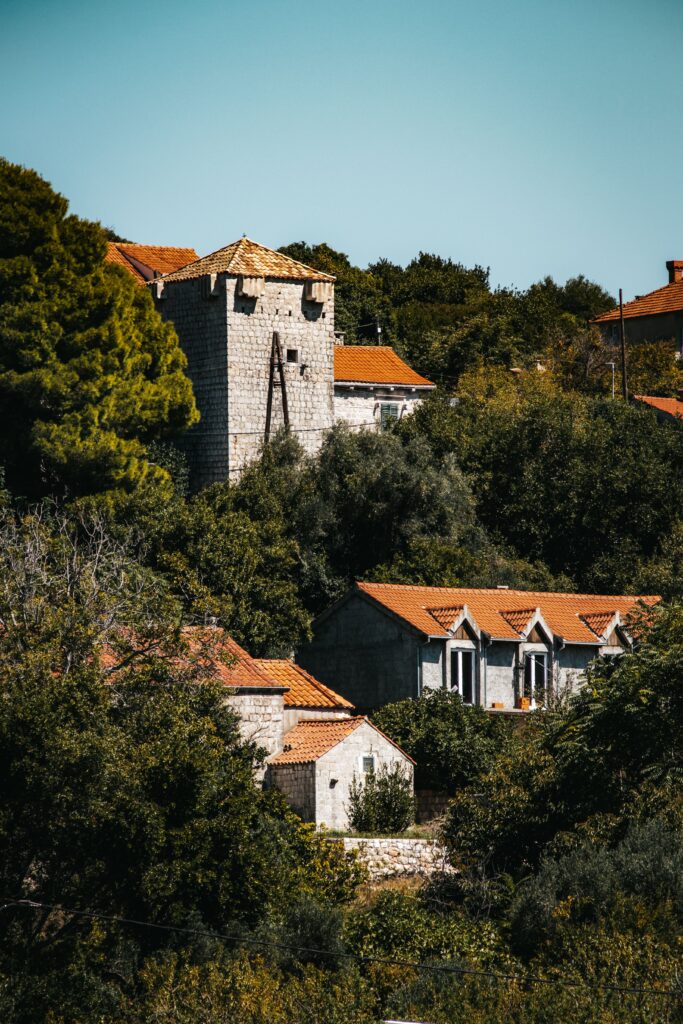
In recent years, however, concerns about housing affordability have intensified. Young Croatians seriously struggle to find affordable accommodation, particularly in coastal cities. Local residents complain that entire neighbourhoods are becoming seasonal tourism zones. In response, policymakers have introduced measures designed to encourage more long-term rentals and reduce pressure on the housing market. While Croatia has not introduced restrictions as severe as those seen in some European cities, the direction of travel is becoming increasingly clear. Authorities want more housing available for actual residents.
Landlords are also facing a different economic reality as costs rise across the board, from utilities to cleaning fees, as a result of inflation.
Competition has also intensified as thousands of apartments are now competing for the same guests. As supply increases, many Croatian landlords are finding it harder and harder to maintain occupancy rates and premium pricing within the Airbnb dream that might slowly be turning into a nightmare. The days when simply listing an apartment, sitting back and waiting for the guests to begin rolling in and enjoying guaranteed success are largely over.
Tourist expectations are changing and now the long-term market is often safer

Guests have become more demanding, and this has been marked since the coronavirus pandemic and altered trends. Now, more and more people expect professional standards, high-quality furnishings, fast internet and excellent reviews. That means owners often need to invest more money to remain competitive. For some smaller landlords, keeping up with those expectations has become challenging. What was once a relatively simple side business is increasingly operating like a professional hospitality enterprise.
Faced with higher costs and regulatory uncertainty, some landlords are quietly returning apartments to the long-term market. While long-term rentals generally generate lower revenue, they offer greater stability and less day-to-day management. There are no weekly guest arrivals, constant cleaning schedules or seasonal fluctuations. For some owners, predictability is becoming more attractive than chasing maximum profit.
for croatian landlords, the Airbnb dream isn’t over, but it is changing
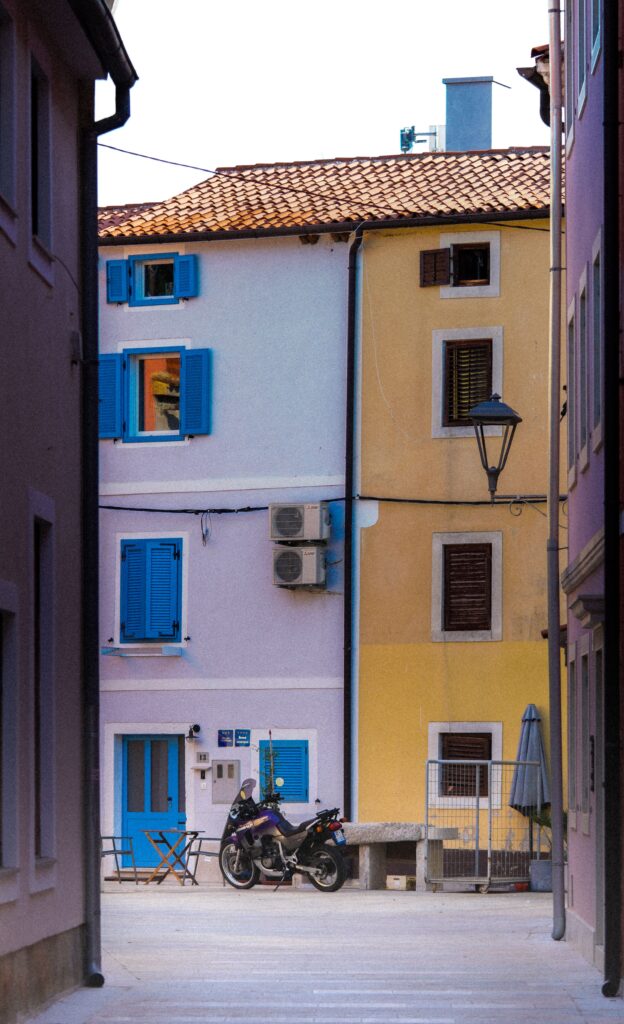
Despite these mounting and very real challenges, short-term rentals remain highly profitable in many destinations. Croatia continues to attract millions of visitors every year, and demand for quality accommodation remains strong. Many landlords report successful seasons and healthy returns. The private accommodation sector remains one of the pillars of Croatian tourism. However, the environment is no longer as straightforward as it once was.
The debate surrounding tourist rentals reflects a broader question facing Croatia. How can the country balance a successful tourism industry with the housing needs of local residents? Finding that balance will not be easy. Tourism generates countless jobs, investment and economic growth. At the same time, rising housing costs have become one of the country’s most sensitive social issues.
For now, Croatia’s short-term rental market remains strong, but the country’s very many landlords are operating in a different environment than they were five or ten years ago. The era of effortless profits and very little effort is rapidly fading. Success in this day and age increasingly requires professional management, strategic pricing and the ability to adapt to changing regulations.