June the 11th, 2026 – From being the unfortunate poster child of overtourism to European role model – the truly impressive turnaround of Dubrovnik has had the eyes of the world on it, and the Telegraph is showering the city with praise.
There was a time when Dubrovnik appeared on almost every list of places suffering from overtourism. Travel writers compared its woes to those suffered by the likes of Venice and Barcelona. Television crews filmed crowds squeezing through the Old City’s narrow streets. Cruise ships became symbols of everything critics believed to be totally wrong with modern tourism. For very many years, the narrative was simple – Dubrovnik had become a victim of its own success.
Now, that narrative appears to be changing.
A recent feature in the Telegraph examined whether Dubrovnik’s long battle against overtourism has actually worked, concluding that the city is increasingly being viewed as a European example of how to manage tourism without destroying the very destination visitors come to see.
Not long ago, Dubrovnik was the problem

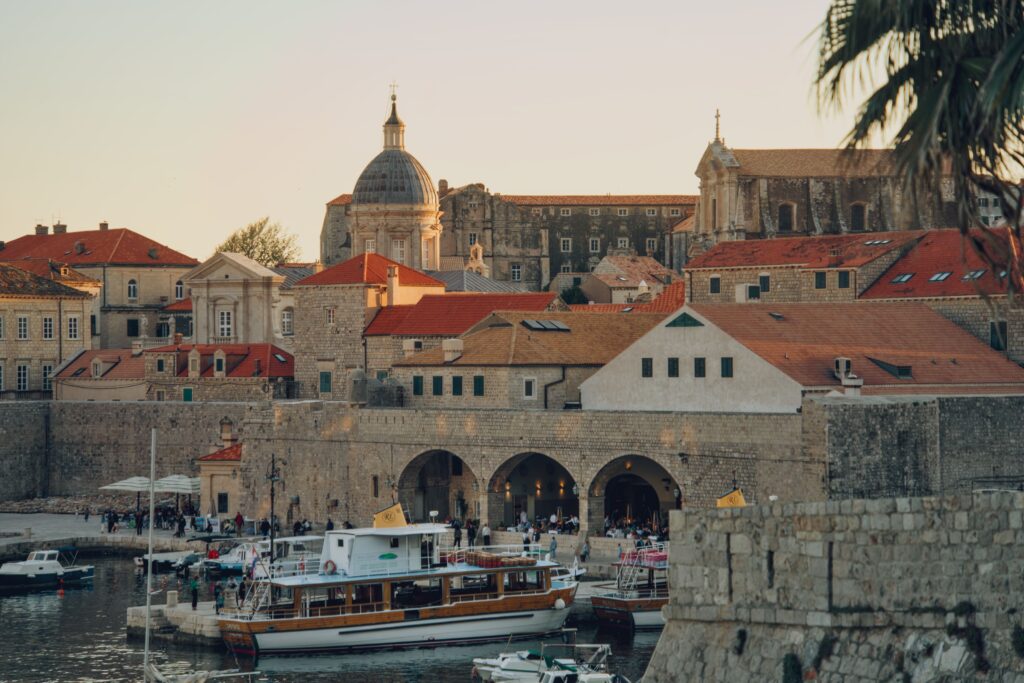
The transformation is significant because few destinations became as closely associated with overtourism as Dubrovnik. The city’s popularity exploded during the 2010s thanks to cruise tourism, cheap flights, social media and the global success of HBO’s Game of Thrones. At peak summer periods, the UNESCO-protected Old Town struggled to cope with the volume of visitors. Crowding became so severe that international media regularly questioned whether tourism was threatening the city’s future. In very many ways, Dubrovnik became a case study in what happens when a destination becomes too successful.
The city decided to fight back
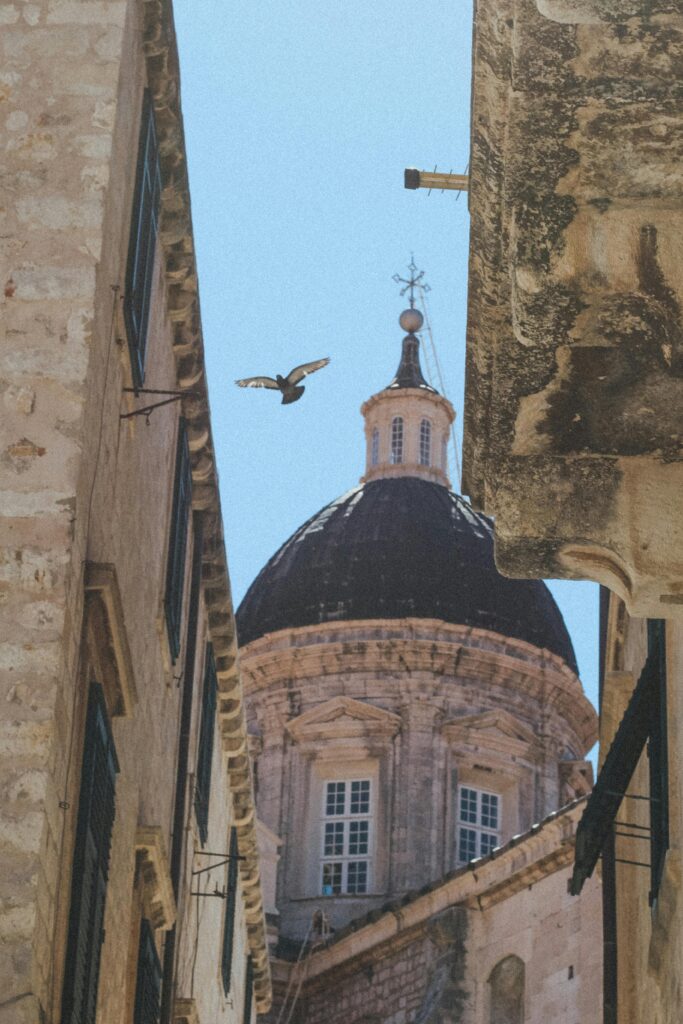
Unlike some destinations that simply complained about overtourism, Dubrovnik chose to experiment with solutions. The city launched its “Respect the City” initiative, introduced tighter management of cruise arrivals, invested in visitor monitoring technology and attempted to spread tourist flows more evenly throughout the day. Officials argued that the goal was never to stop tourism. The goal was to manage it and that distinction is what made it stand out so much, as tourism remains the lifeblood of Dubrovnik’s economy, making an anti-tourism approach politically and economically unrealistic and deeply damaging.
Cruise ships were the biggest target

One of the most controversial measures involved cruise tourism. For years, large numbers of passengers could arrive simultaneously, creating bottlenecks around the historic centre. The city responded by working to regulate arrivals and limit the number of cruise ships present at the same time. The strategy wasn’t universally popular, but it addressed one of the most visible causes of overcrowding. Even critics of Dubrovnik’s tourism model often acknowledge that uncontrolled cruise traffic was one of the city’s biggest challenges.
Crowds were only part of the problem. Like many historic European cities, Dubrovnik faced a gradual loss of permanent residents from its historic core. As apartments became more profitable as tourist accommodation, fewer locals remained inside the city walls. In response, Dubrovnik introduced measures aimed at encouraging permanent residency and preserving everyday life within the Old Town. Initiatives included support for housing and efforts to ensure the historic centre remained a living community rather than an open-air museum.
The rest of Europe is (still) watching what dubrovnik does

What makes the Telegraph story interesting is not the praise itself, it’s the timing. Across Europe, overtourism has become one of the biggest challenges facing major destinations. Cities from Barcelona to Venice continue struggling with tensions between residents and visitors. Local protests against tourism have become increasingly common, while governments search for solutions that protect both quality of life and economic growth. Against that backdrop, Dubrovnik is increasingly being cited as an example of a destination that attempted to address the problem before it became unmanageable.
That doesn’t mean everyone believes the problem has been solved, as traffic congestion remains a seasonal reality, as does housing affordability. Many residents still feel tourism dominates too much of daily life during the peak summer months. Despite improvements, Dubrovnik remains one of the most visited destinations in the Mediterranean and the pressures that created overtourism have far from disappeared.
A different kind of tourism story
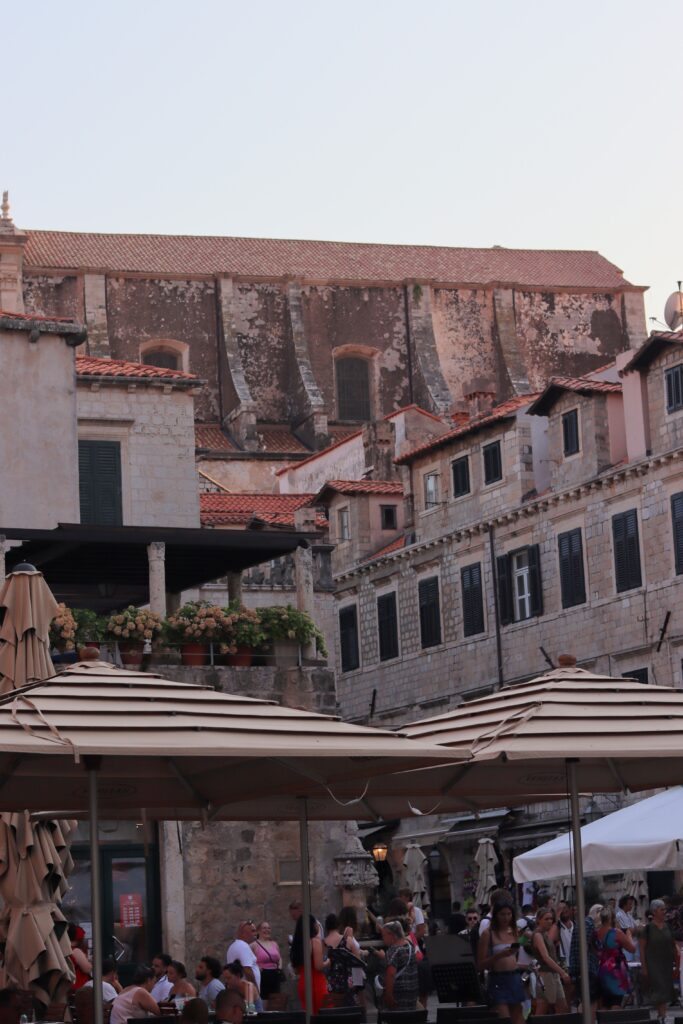
For years, Dubrovnik was used as a warning, but today, it is increasingly being used as an example. Whether that transformation proves permanent remains to be seen. However, the mere fact that one of Europe’s most famous overtourism destinations is now being discussed as part of the solution rather than part of the problem represents a remarkable shift. On an entire continent still searching for answers to the tourism dilemma, that may be one of Croatia’s most important success stories to date.