
July the 30th, 2026 – Taxi fares vary wildly across Croatia as new rules aim to further increase price transparency and end the practice of ripping off customers.
Poslovni reports that the cost of taking a taxi in Croatia differs significantly depending on the city, with some destinations charging more than double the starting fare of others. According to data from the international cost-of-living platform Numbeo, Pula is among the most expensive Croatian cities when it comes to the average price per kilometre, while Osijek remains the cheapest.
the highest starting fare isn’t in dubrovnik…
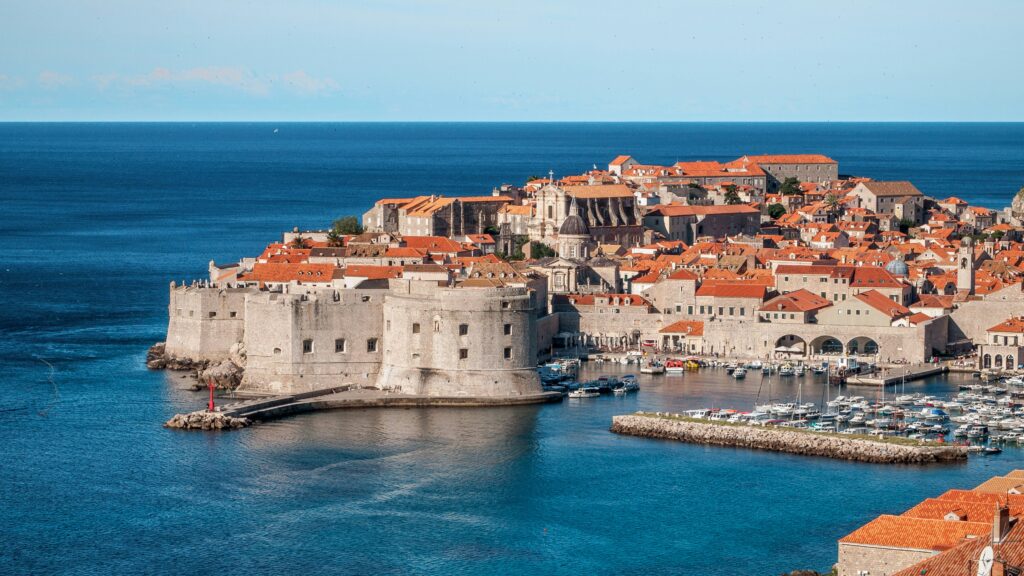
The data show that the highest starting fare is found in Rijeka and Šibenik, where the average base price is 5 euros. In Dubrovnik and Opatija, the average starting fare is 4 euros, while it is 3.32 euros in Split. Zagreb and Osijek actually have the lowest average starting fare at just 2 euros.
When it comes to the cost per kilometre, Pula, Dubrovnik and Zadar top the list at an average of 2 euros per kilometre. Split follows at 1.60 euros, while Rijeka, Opatija and Šibenik average 1.30 euros per kilometre. In the City of Zagreb, the average is 1.25 euros, and Osijek has the lowest average price at just 1 euro per kilometre.
The figures are based on user-submitted data collected by Numbeo and represent average prices. Actual fares may vary depending on the taxi company, time of day, traffic conditions and any additional charges applied during the journey.
the road transport act seeks to increase transparency

Meanwhile, the Croatian Parliament has adopted amendments to the Road Transport Act aimed at making taxi pricing more transparent. Under the new rules, passengers must be shown the maximum fare and the planned route before the journey begins. The legislation also allows a future regulation to set maximum permitted prices for the starting fare, price per kilometre and waiting time.
The changes are intended to improve consumer protection and reduce the risk of unexpectedly high taxi bills, particularly during the busy summer tourist season, while bringing greater transparency and consistency to Croatia’s taxi market.