
June the 1st, 2026 – Croatia is now in the position where it really needs to keep on importing foreign workers, but what would happen if it suddenly stopped?
What began as a solution to labour shortages has now evolved into one of Croatia’s biggest economic and political issues has turned into a nationwide debate that touches on all aspects of society. According to recent estimates, foreign workers now number well over 100,000 in Croatia, a figure that would have been unimaginable a decade ago. Their presence is particularly visible in tourism, construction, retail, delivery services and hospitality.
The issue begins with Croatia’s most serious issue outside of corruption, and that’s demographics. Croatia has lost hundreds of thousands of residents over the last decade through emigration and has been doing for decades now, it also has seriously low birth rates and a rapidly ageing population. Many younger Croatians moved to countries such as Germany, Austria and Ireland after Croatia joined the European Union and never returned.
At the same time, the economy continued growing, creating jobs that employers struggled to fill. The result was a simple problem, there were more jobs available than workers willing or able to take them.
without foreign labour, croatia’s tourism sector would struggle intensely

Industry experts increasingly warn that Croatia’s tourism sector would face immediate disruption without foreign labour. Hotels, restaurants, bars and resorts now rely heavily on workers from Asia and other non-EU countries. In some coastal destinations, foreign workers make up a substantial share of seasonal staff. Employers argue that many businesses simply could not operate at current capacity without them. As another likely record summer tourism season approaches, this dependency is becoming increasingly obvious.
the construction industry is equally sensitive
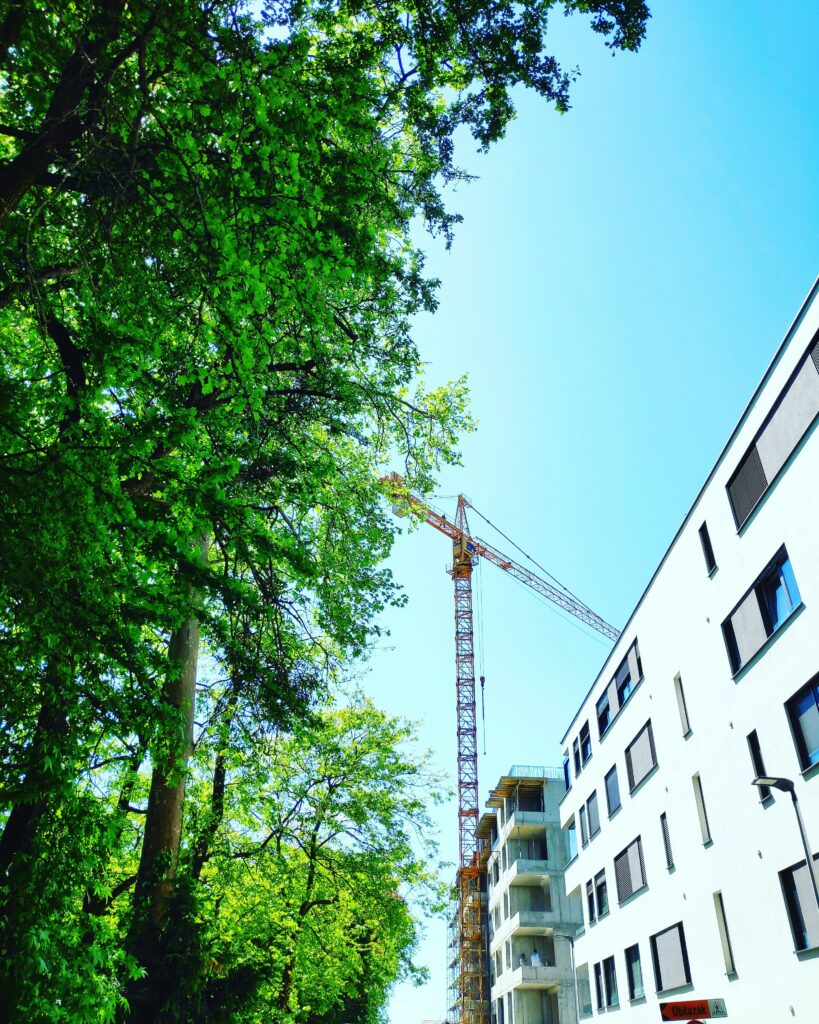
The construction industry faces a similar challenge. Croatia has needed to import huge numbers of foreign workers to work on its buildings, and without them things would be even slower than they already are. Major infrastructure projects, residential developments and commercial construction increasingly rely on foreign workers to maintain progress. Croatia is currently experiencing strong demand for housing and public investment projects, but labour shortages remain one of the sector’s biggest constraints. Without imported labour, many projects could face delays or significantly higher costs.
are salaries the real issue? yes, but it’s far from the only problem

Not everyone agrees with Croatia’s employers. Some critics argue Croatia should focus less on importing labour and more on improving salaries and working conditions. Their argument is straightforward: If wages were higher, more Croatians would remain in the country or return from abroad. Others argue that businesses became accustomed to relying on cheaper labour instead of addressing deeper structural problems.
The issue has therefore become highly political.
Business organisations strongly reject the idea that labour shortages can be solved simply by raising wages. Many employers say they have already increased salaries significantly but still struggle to find enough workers. They point to demographic realities and argue there are simply not enough available workers within Croatia to meet demand. For them, the import and engagement of foreign labour is no longer a temporary solution but an economic necessity.
Beyond economics, the issue is also reshaping Croatian society hugely. Workers from Nepal, the Philippines and India are now common sights in cities, towns and tourist destinations across the country. Delivery riders, hotel staff, shop workers and construction crews increasingly reflect a much more diverse workforce than Croatia traditionally had. For some Croatians, this change is welcomed.
the rapidly changing face of modern croatia
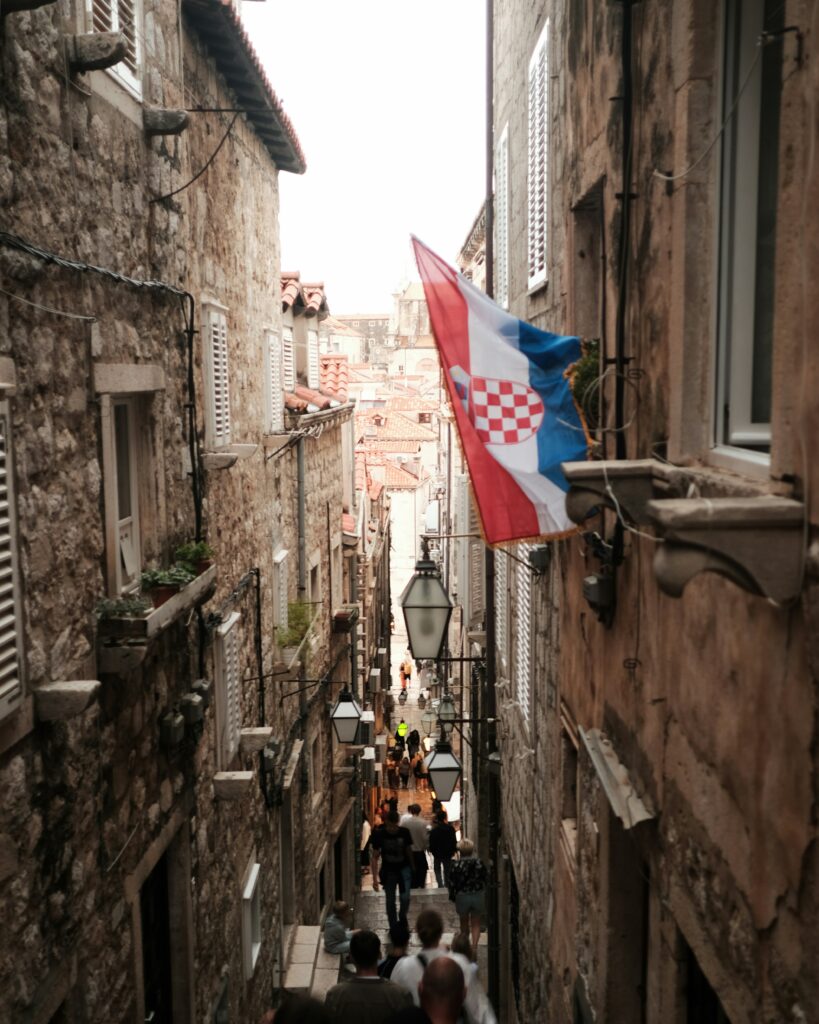
For others, it raises questions about integration, housing and the country’s future identity. With a population that is only shrinking, adding more and more people from elsewhere might be the final nail in the coffin for Croatia in the minds of many.
As yet another busy summer begins, the importance of foreign workers will become impossible to ignore. Croatia’s tourism economy is expected to welcome millions of visitors over the coming months. The question being asked by economists, politicians and employers is no longer whether Croatia needs foreign workers. Instead, the debate has shifted to a more fundamental issue:
Has Croatia become so deeply dependent on foreign labour that it could no longer function without it? That question is now at the centre of one of the country’s most important economic conversations, and it’s more than likely to remain there long after the summer tourism season ends.