
June the 11th, 2026 – Camping in Croatia is apparently the most expansive in all of Europe, at least according to the latest Dutch research. Is it still worth the inflated price tag, however?
For decades, camping was one of the most affordable ways to experience the Croatian coast. Families from Germany, Austria, the Netherlands and Slovenia would return year after year, pitching tents or parking caravans just metres from the Adriatic Sea. Camping became one of the foundations of Croatian tourism, particularly in Istria and Kvarner, where some campsites evolved into sprawling holiday resorts. Today, however, Croatia has earned a different distinction. According to a new comparison highlighted by Dutch travel media, camping in Croatia remains the most expensive country in Europe, with average prices now exceeding those in Italy, Spain and France.
The finding is reigniting a debate that has become increasingly common throughout Croatia’s tourism sector: how high can prices rise before visitors start looking elsewhere?
camping in croatia is the most expensive in Europe, but do you get what you pay for?
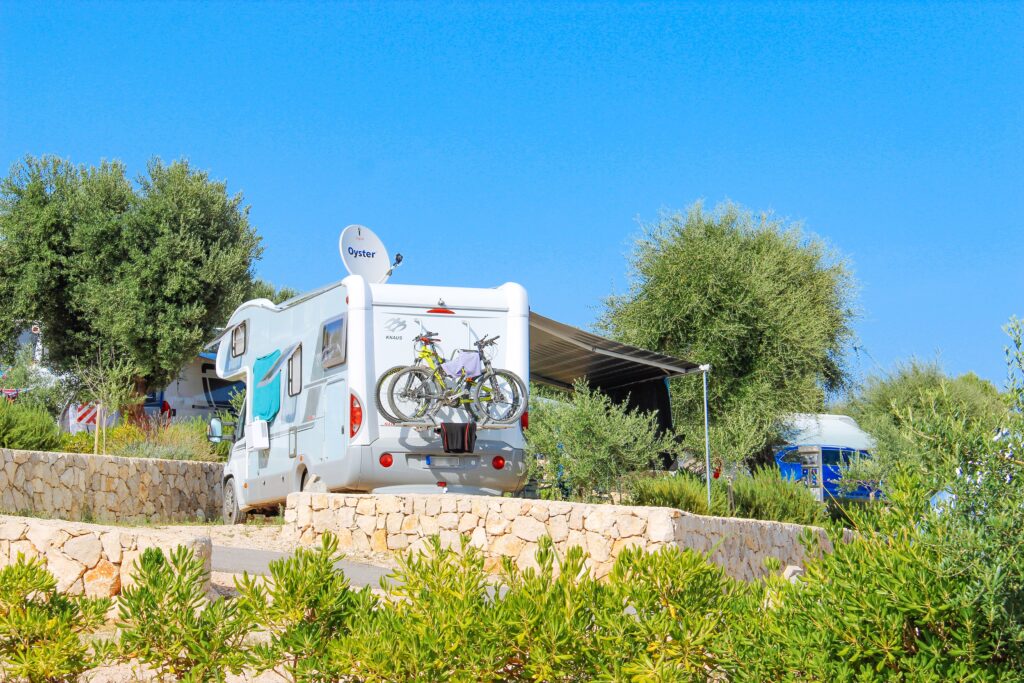
The latest analysis examined the cost of staying at campsites across Europe during the peak summer season. The comparison looked at a standard camping pitch for two adults, including accommodation space, electricity and basic fees. Croatia once again topped the list. The average overnight camping price was calculated at approximately €68 per night, placing the country ahead of traditional camping destinations such as Italy, Switzerland and Spain. For many foreign visitors, the result may come as a surprise. Croatia has long marketed itself as offering excellent value compared with other Mediterranean destinations. It’s been a while since that could even remotely be claimed to be accurate at this point.
A dramatic transformation that tourists have noticed – and it’s a double-edged sword

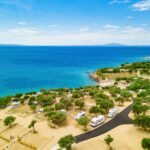
The Croatian camping sector has changed enormously over the past two decades. What were once relatively simple campsites have evolved into highly developed tourism complexes. Many now feature swimming pools, wellness facilities, restaurants, entertainment programmes, luxury mobile homes and private beaches. Operators argue that today’s campsites offer a completely different product than they did in the past. As a result, prices have increased accordingly. Many camps are now competing not only with other campsites but also with hotels and holiday resorts. The issue comes at a time when pricing has become one of the most discussed topics in Croatian tourism.
Visitors have increasingly complained about the cost of accommodation, restaurants, drinks and everyday holiday expenses. Social media has been filled with comparisons showing that certain products and services are now more expensive in Croatia than in neighbouring Mediterranean countries. Camping, once considered the budget-friendly option, is no longer immune from those discussions. For some visitors, the days of cheap Adriatic camping holidays appear to be over, and the scrapping of the kuna to welcome the euro has only intensified matters.
why do croatia’s prices just keep on climbing?
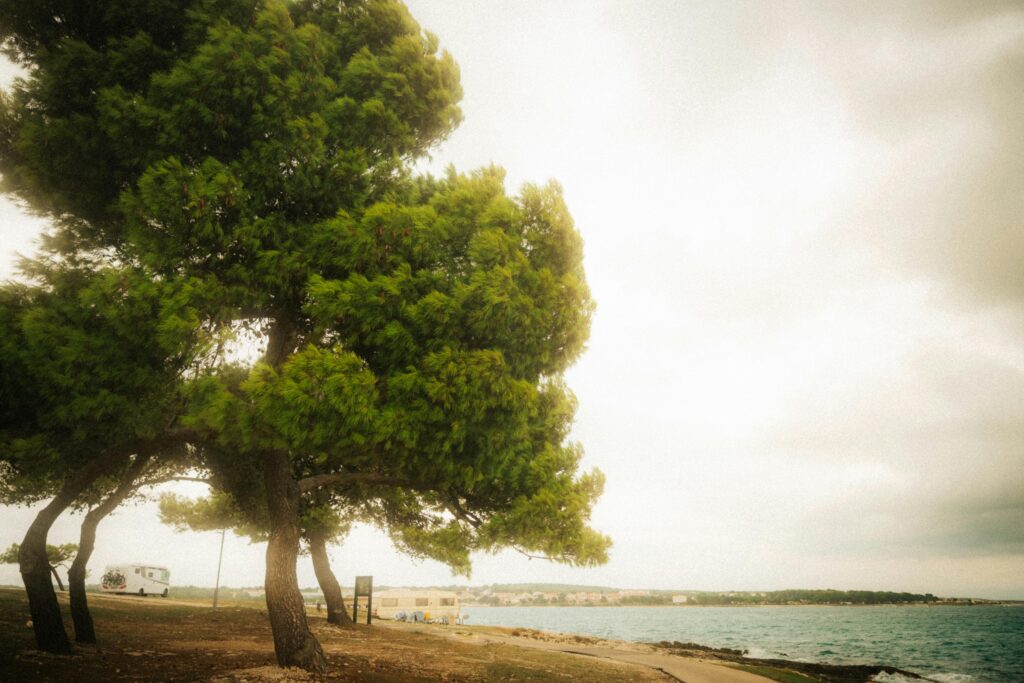
Industry representatives point to several reasons. Labour costs have increased significantly, energy prices remain high, general maintenance expenses have grown and staffing costs have risen. In addition to all of the aforementioned, very many campsites have invested heavily in infrastructure upgrades, new facilities and environmental improvements. Operators argue that these investments have transformed Croatian camping into a premium tourism product. From their perspective, higher prices reflect higher standards. For tourists however, the taste left in the mouth is a little more bitter than that.
The risk of losing competitiveness

As touched on, not everyone is convinced. Tourism analysts increasingly warn that Croatia risks developing a reputation as an expensive destination. While visitor numbers remain strong, some believe price growth is beginning to outpace improvements in quality. Competing destinations such as Greece, Spain and parts of Italy continue offering attractive alternatives, often at comparable or lower prices. The concern is not that tourists will stop coming overnight.
The concern is that Croatia may gradually lose part of its traditional competitive advantage. In the eyes of a rapidly growing number of people, it very much already has.
The Dutch perspective matters

The report has attracted particular attention because Dutch tourists are among Europe’s most enthusiastic campers. The Netherlands has one of Europe’s oldest and strongest camping cultures, and Dutch visitors represent an important market for Croatian campsites. When Dutch travel media begin highlighting Croatian prices, tourism professionals pay very close attention. These are precisely the travellers who have historically filled campsites across Istria, Kvarner and Dalmatia.
The debate ultimately comes down to a simple question. Is Croatia offering enough value to justify its prices? Supporters argue that the country’s clean sea, safety, natural beauty and modern camping facilities make it worth the cost. Critics argue that visitors increasingly expect more when paying premium prices than what they get. As competition intensifies across the Mediterranean, value for money is becoming more important than ever.
For some, Croatia’s position at the top of the camping price rankings demonstrates how far the country’s tourism industry has progressed. Higher prices often reflect higher demand and a more sophisticated product. For others, it is a very stark warning sign. The same country that once attracted visitors because it was affordable is now among the most expensive destinations in its category. Whether that proves sustainable remains to be seen.