August the 21st 2026 – Croatian food prices could end up being even higher next year as extreme weather causes tremendous problems for domestic production.
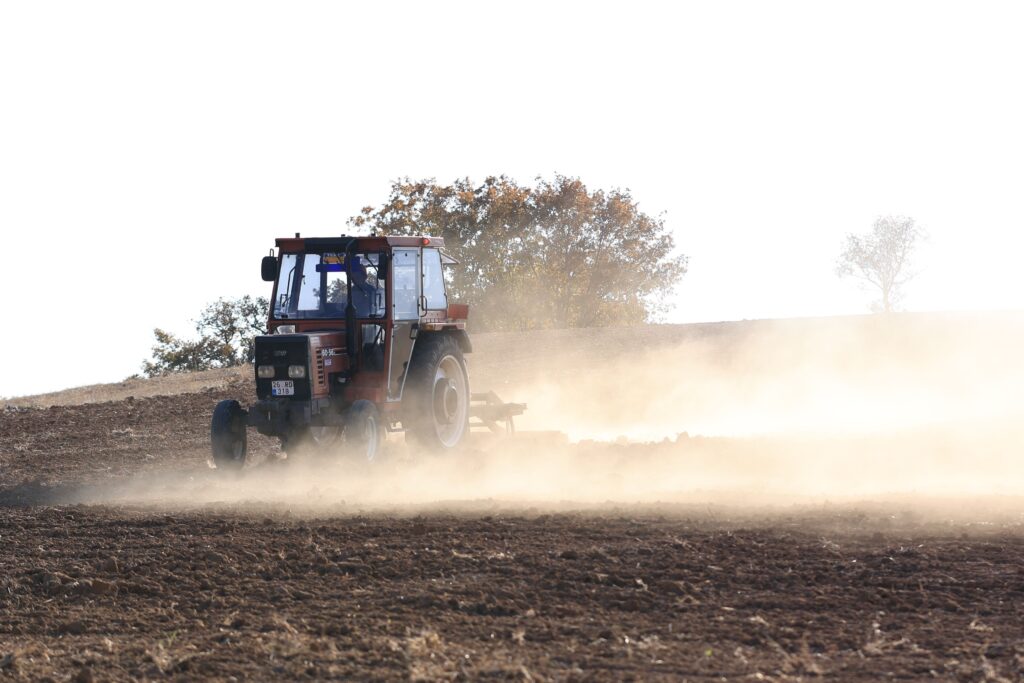
Adviser to the Minister of Agriculture Tatjana Radić warned that the consequences of this year’s drought on food prices could become strongly visible next year, with a possible price increase of 20 to 30 percent, and according to some estimates even up to 40 percent. Appearing on the main news programme of Croatian Radio Television (HRT), Poslovni reports that Radić spoke about climate change, irrigation, dependence on imports and the proposal of the Croatian Chamber of Agriculture to establish a national fund that would finance the adaptation of agriculture to climate change.
“Additional investments in agriculture and in security are always welcome. The Croatian Chamber of Agriculture already sent letters during the third amendments to the Strategic Plan about the establishment of a joint risk fund, which also led to changes in the plan. Progress can also be made in this area by farmers joining forces, with the state adding an extra 20 percent of funds,” Radić said.
climate change is happening more rapidly than we can keep up with
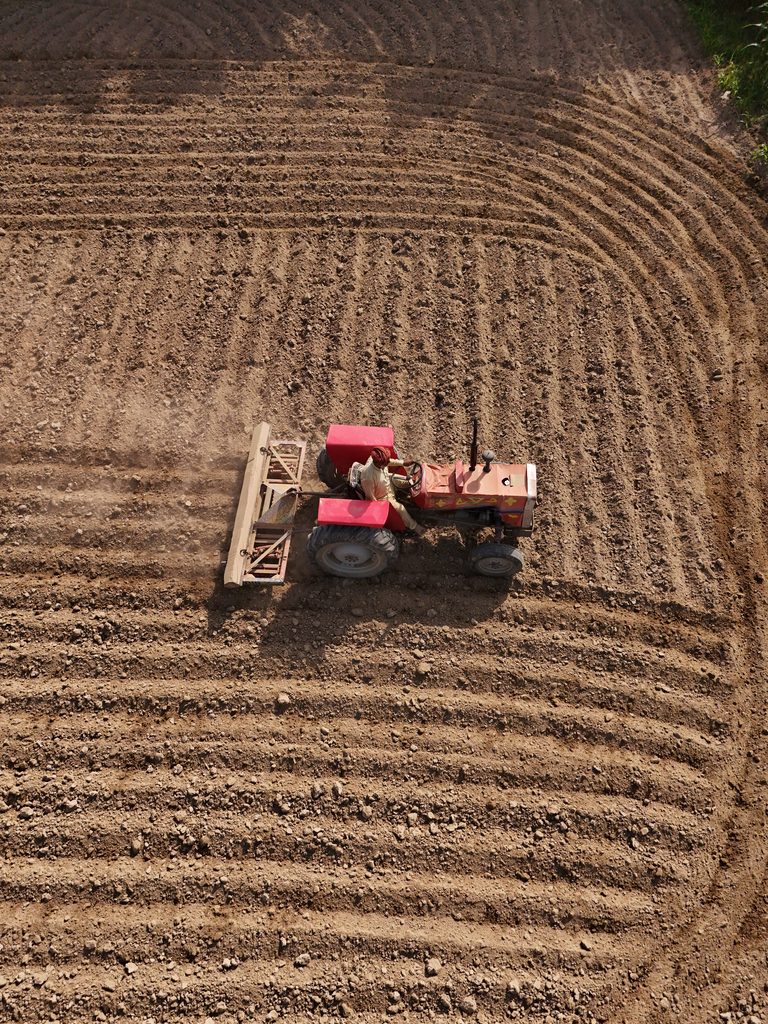
Radić believes that Croatia is not necessarily lagging behind the rest of Europe when it comes to adapting to climate change because, as she says, the entire continent is facing similar problems.
“I wouldn’t say we’re lagging behind. The whole of Europe is currently in crisis when it comes to climate change. We are all applying different practices and using different interventions to adapt to these changes. However, the speed of these changes is much greater than can currently be kept up with. Some things were expected, and some were unexpected,” she said, before adding that Croatian farmers have been suffering the consequences of drought, hail and other weather disasters for years.
“Croatian farmers have been fighting drought for the seventh year already; they’re fighting hail and various climate disasters that damage their incomes and productivity. The fact is that this is production under the open sky and that farmers need help,” she said.
retailers need to do their bit
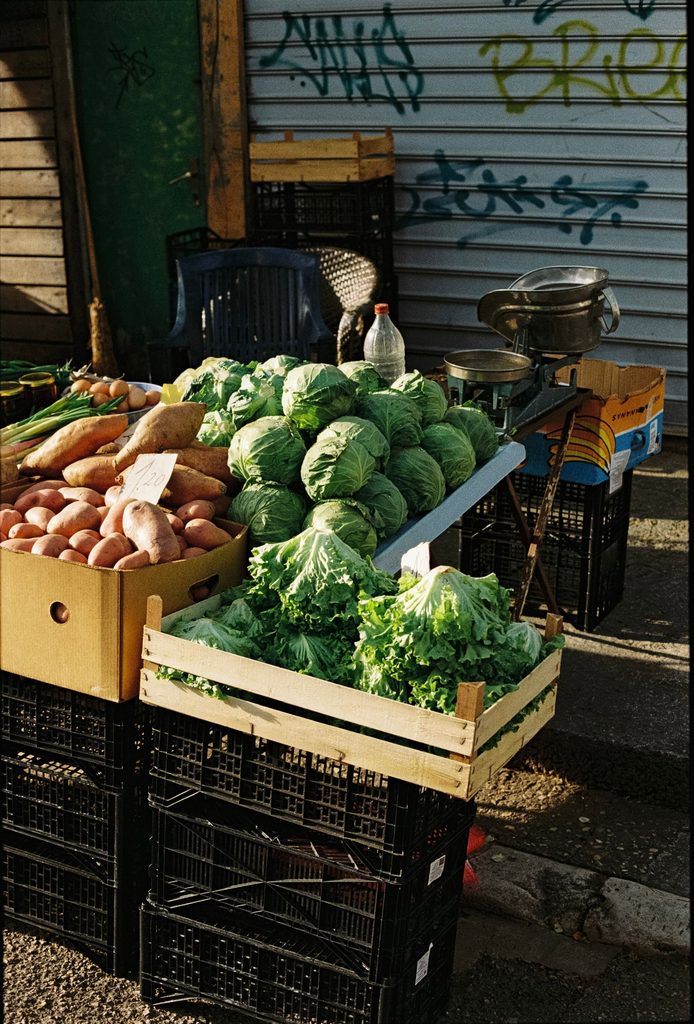
Radić believes that, in addition to climate change, Croatian agriculture is also threatened by growing dependence on imports in general. “When it comes to imports, consumers themselves largely decide. The fact is that we have lower purchasing power, but at the same time, when we talk about the price of pork, we can see that the price of a kilogram of meat is almost the same as the price of a coffee in a cafe,” she stated, calling on retail chains to increase the share of domestic products and make it easier for Croatian producers to access the market.
“There are very many Croatian products available. You can see the Proven Quality label, meat from Croatian farms and other labels for our products in retail chains. We’re therefore calling on retail chains to increase their overall share of domestic products and enable Croatian producers greater access to the market. There are also online services and various channels through which our customers can get domestic products,” she said.
issues with the fragmented land are affecting irrigation
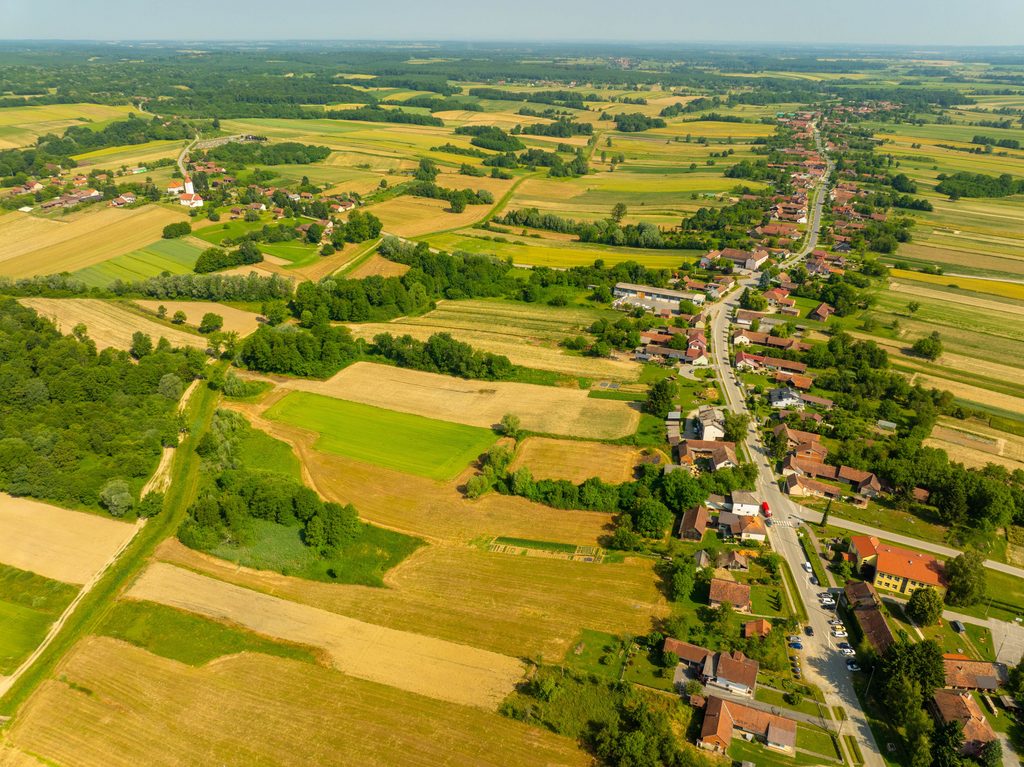
One of the biggest problems in adapting to droughts is the weak development of irrigation systems. Radić cites the fragmentation of agricultural land and high technology prices as key obstacles.
“Croatian farms and land are fragmented. We have to be aware of the fact that on one hectare we sometimes have four or five plots. When we talk about an average of ten hectares, or 15 hectares in Europe, here you sometimes find 70 different parcels. In order to consolidate production, you first have to resolve the issue of land and connecting it,” she explained.
She also warned about the problem of rising prices of agricultural equipment when available subsidies increase.“We often talk about giving subsidies to farmers, but they invest that money in new technologies and pay those who sell them. It has often happened that the prices of those technologies increase when it becomes clear how high the level of subsidy is. Too little is said about this, and it should be talked about a lot,” she said.
croatian food prices could increase in 2027
Radić believes that the consequences of the prolonged drought could be felt more strongly next year. “On the one hand we had price dumping at the state level; surpluses were coming to us from various sides and imported goods that were pushing down our prices. Now we can see a trend of slight growth. What we will definitely perhaps feel next year is the consequence of this drought, which has never been at this level. Estimates are very difficult to make, but in our conversations an increase of 20 to 30 percent is mentioned, and it could reach 40 percent,” she said.
Omiš farmers will get subsidies
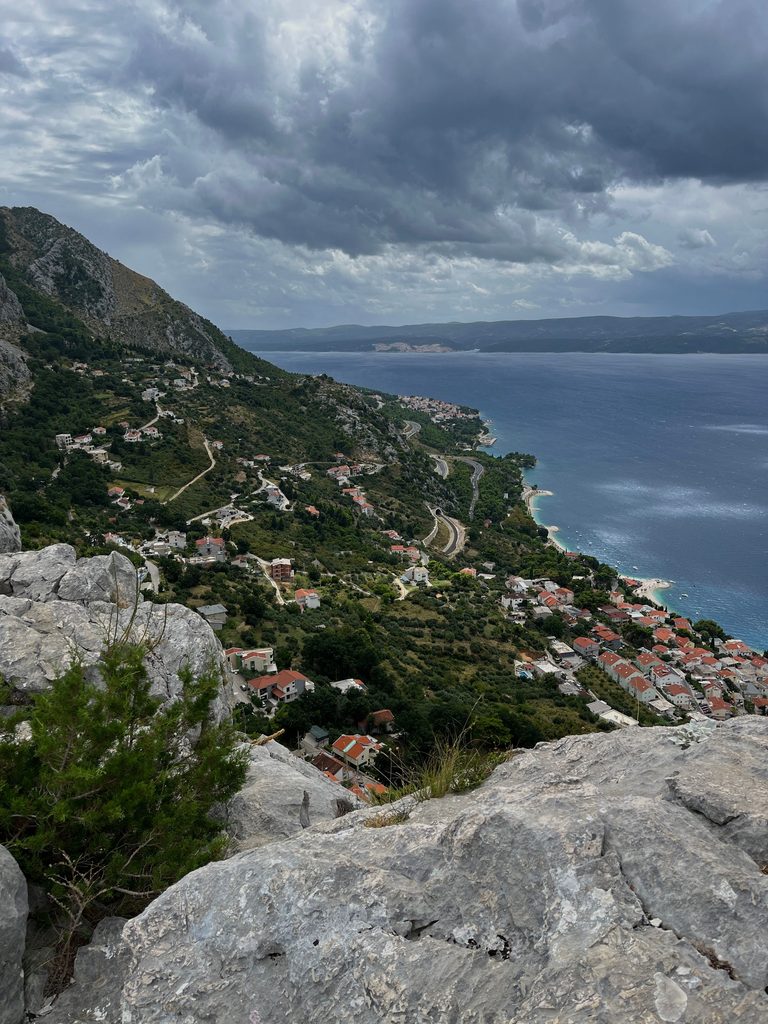
Radić also commented on farmers whose property was damaged in the major fire in the Omiš area.
“It’s very important that they follow the pages of the Ministry of Agriculture, where all the notices have been published. We also have information that the Ministry of Finance has raised this issue and that help will be provided to the burned areas and our farmers. That is a big thing for them, because we have to protect them,” she said. “What happened could have happened across a much larger area, and then we would really be in big trouble. Even as it is, we are in serious trouble,” she concluded.