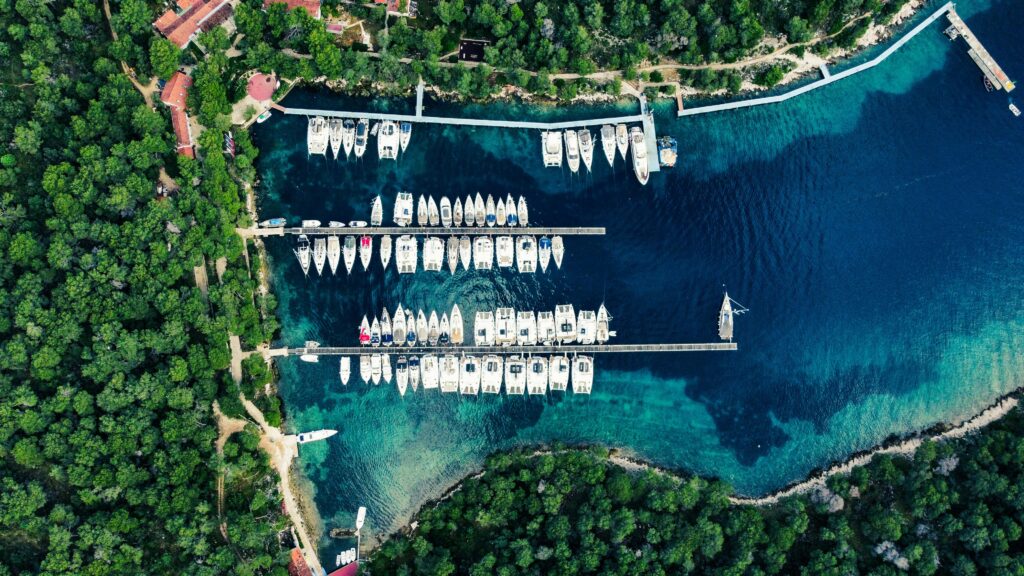
May the 20th, 2026 – Croatian marinas up and down the coastline have started to encompass so much more than mere infrastructure for yachts. They’ve become mini-settlements all in their own right in more recent years.
Many Croatian marinas have become something far from the confines of a mere place for docking, repairs and refuelling. These are now multi-functional coastal hubs combining tourism, hospitality, real estate, restaurants, retail and lifestyle experiences all in one space. In some parts of the Croatian coastline, marinas are beginning to resemble small waterfront districts rather than simple nautical facilities and boat infrastructure.
croatia’s nautical tourism takes on many roles
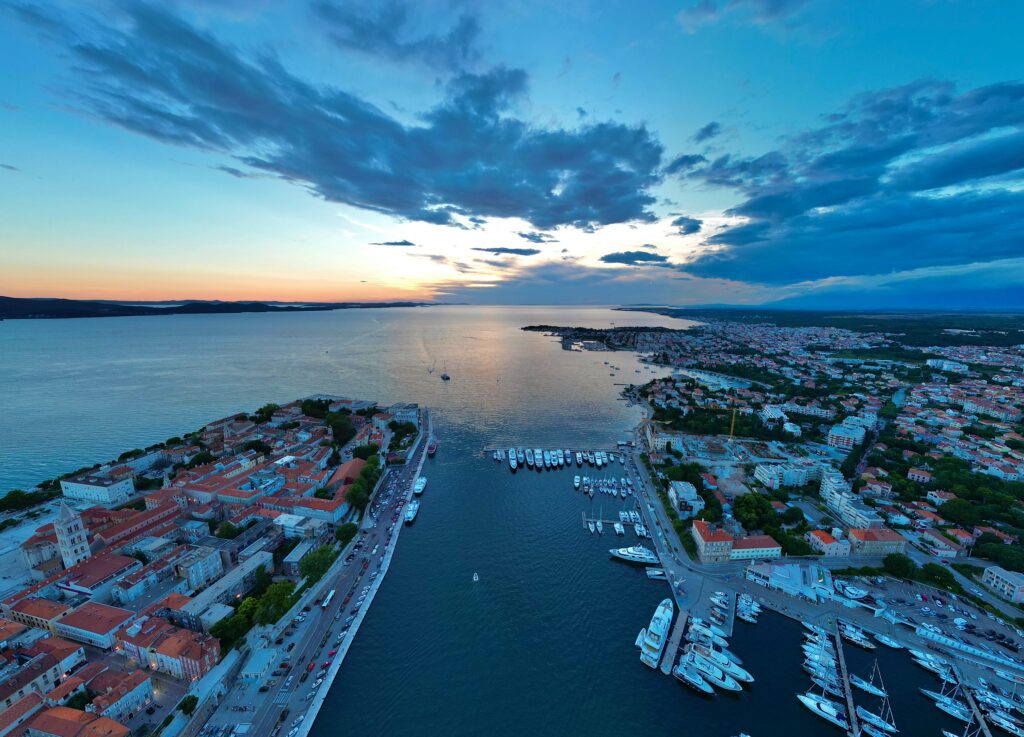
Croatia already possesses one of Europe’s strongest nautical tourism industries thanks to its island geography, indented coastline and relatively calm Adriatic conditions. Sailing tourism remains one of the country’s highest-value tourism sectors, attracting visitors with above-average spending power and longer stays. As demand grows, marina operators are increasingly investing beyond traditional boat infrastructure alone.
One major shift is that many newer marina developments are designed to function throughout the year rather than only during summer when the sailing crowds are at their largest. Various restaurants, bars, wellness facilities, luxury apartments, retail zones and event spaces are increasingly integrated into marina complexes. The goal there is to create destinations where people spend time even without owning or using boats themselves. This is particularly important for reducing Croatia’s extreme tourism seasonality.
In the modern day, Croatia’s many marinas serve not only as transport infrastructure, but as part of a wider Adriatic luxury lifestyle economy. High-end tourism, premium hospitality and waterfront real estate development are becoming closely connected to marina expansion projects. In some coastal areas, marinas are now among the most commercially valuable parts of local urban development. This is especially visible across gorgeous Istria and parts of central Dalmatia where marina investment increasingly overlaps with luxury tourism branding.
local economies are influenced by marinas

The impact of Croatian marinas extends far beyond nautical tourism itself. Modern marinas generate demand for hotels, restaurants, maintenance services, construction, retail and transport infrastructure. They also attract foreign investment and higher-spending international visitors who often return repeatedly to the same destinations. For certain coastal towns, marina development has become a central economic strategy rather than a secondary tourism niche.
At the same time, marina expansion remains controversial in some areas. Coastal over-development, environmental pressure and public access to waterfront space are the core issues at hand. Critics argue that some projects risk prioritising luxury development over local community needs or natural preservation. Because Croatia’s coastline is both economically enormously valuable and deeply environmentally sensitive, marina growth often becomes politically charged very quickly.
The broader trend reflects Croatia’s attempt to move toward higher-value tourism models. Rather than competing only through mass summer arrivals, the country increasingly promotes premium experiences, sustainability and year-round tourism infrastructure. Modern marina complexes fit directly into that strategy. They attract wealthier visitors, extend economic activity beyond peak season and strengthen Croatia’s international image as a sophisticated Adriatic destination.
the croatian coast, and its marinas, are altering as time marches on

What’s happening now is not simply the expansion of sailing tourism. It is the transformation of parts of Croatia’s coastline into integrated lifestyle and hospitality zones built around marina economies. For visitors, these developments often appear modern and attractive. For locals, reactions are more mixed, with the need for the proper balancing of economic opportunity against fears of over-commercialisation and changing coastal identities.
Despite all, one thing is increasingly clear across the coast, and that is that Croatian marinas are no longer just places where boats pull up and dock. They’re quickly becoming some of the most strategically important spaces in the country’s coastal economy.