October the 31st, 2026 – Croatian railway projects totalling €1.7 billion are currently underway as part of a major investment cycle.
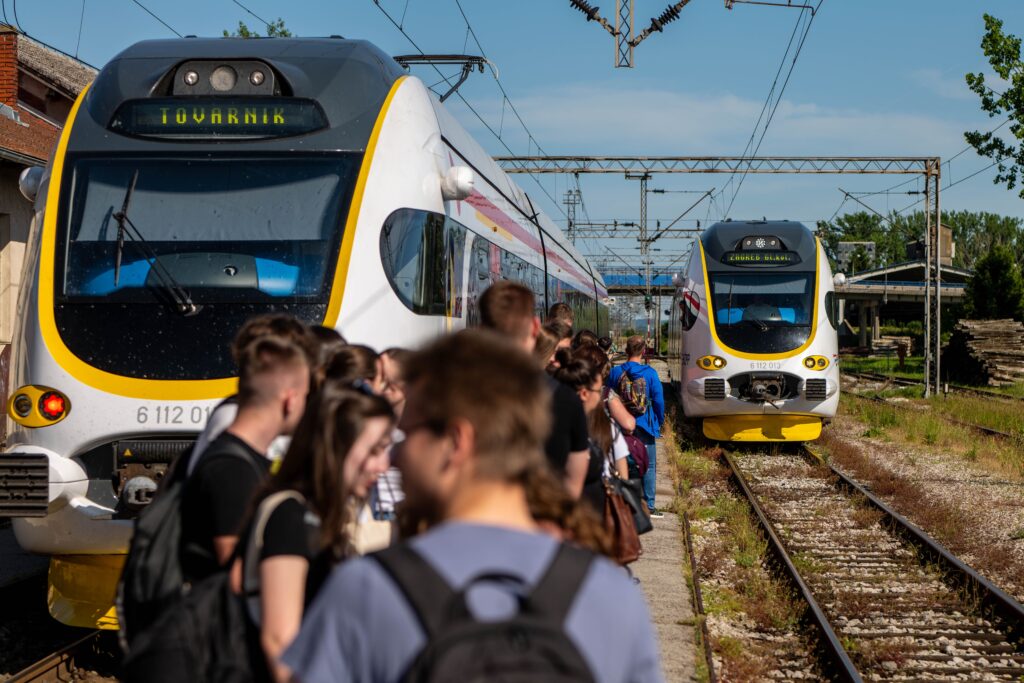
The Croatian railway network is currently in the middle of a major investment cycle. Index reports that large projects worth €1.7 billion are underway, and by 2035 additional investments of around six billion euros are planned. The goal of the modernisation is to ensure faster, safer and more reliable transport of passengers and freight and to strengthen the competitiveness of Croatian ports.
State Secretary in the Ministry of Maritime Affairs, Transport and Infrastructure Žarko Tušek, member of the Management Board of HŽ Infrastructure Marijan Ćužić and professor from the Faculty of Transport and Traffic Sciences Mladen Nikšić spoke on HRT about the current projects, traffic safety and the deadlines for the first results. State Secretary Žarko Tušek emphasised that the modernisation of the railway is a continuation of major investments in transport infrastructure, after road, maritime and air transport. “It is the turn of the railway, without which there is no development of the economy, port capacities, logistics, rural areas and regional transport,” Tušek said.
a lowland railway to rijeka
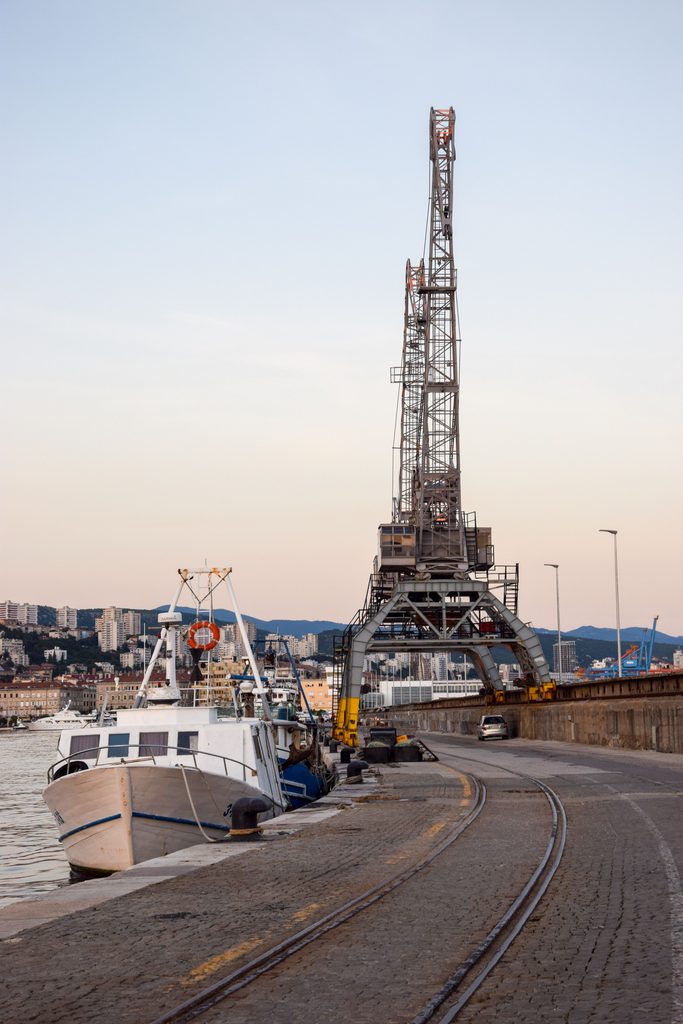
He noted that projects worth more than a billion euros have been completed, and almost 700 million euros have been invested in the maintenance of the sector in the last eight years alone. “The value of active, contracted projects currently amounts to €1.7 billion,” he said. Among the largest projects are the reconstruction of the Dugo Selo – Novska railway, worth 900 million euros, and the Hrvatski Leskovac – Karlovac section of 350 million euros. Investments are also being made in the Podravina and Istrian railways and the Zadar – Knin railway, while the Vukovar – Vinkovci section has been completed. Long-term plans envisage investment of another around six billion euros by 2035, and the modernisation of the entire 2,600-kilometre network will continue after that as well. As a key future project Tušek singled out the lowland railway towards Rijeka, estimated at around five billion euros.
the dugo selo-novska railway is becoming double-track
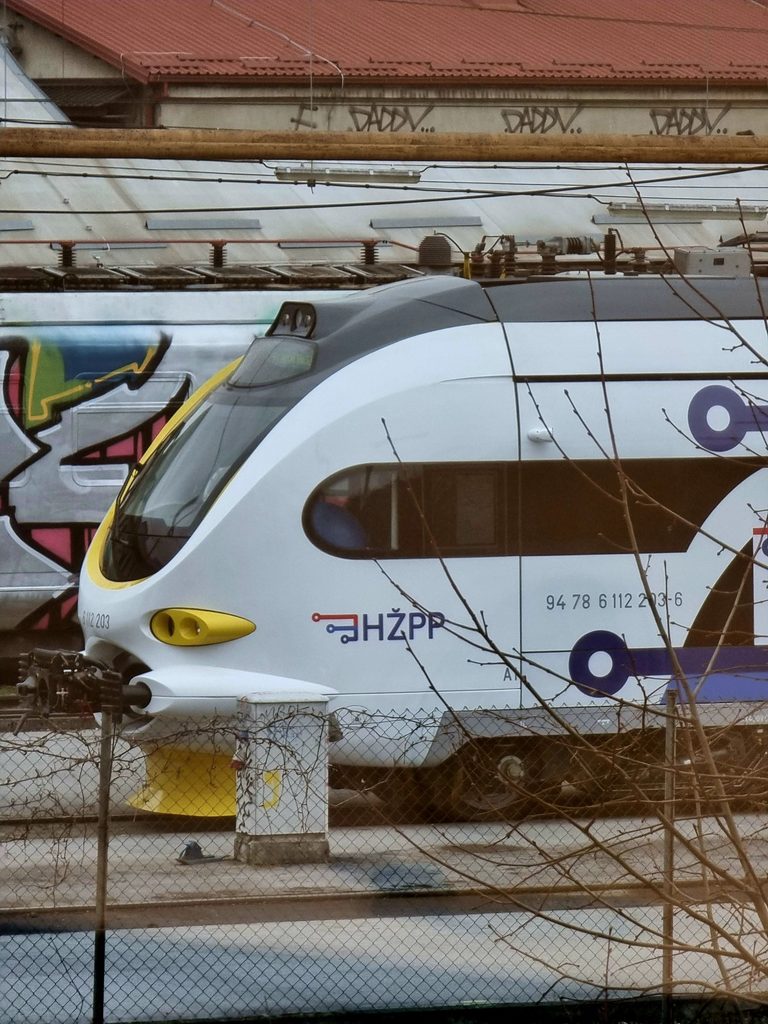
“Just yesterday we selected international consultants who will accompany us in the negotiation procedure so that within a year we can reach the conclusion of an Alliance contract for the construction of that major project,” he announced. Member of the Management Board of HŽ Infrastructure Marijan Ćužić said that the reconstruction of the Dugo Selo – Novska railway, worth almost 900 million euros, will bring a significant step forward in the development of transport. “That section is the only one on the former tenth international corridor that has remained single-track. With the completion of the works we will have a double-track electrified railway from the border with Slovenia to the border with Serbia, with speeds of up to 160 kilometres per hour,” Ćužić explained. He compared the importance of the second track with road traffic, where an additional lane increases throughput. He emphasised that this will enable Croatia to reach the standards of modern European railways and ensure faster and safer travel.
croatia will need to wait a decade before it notices a difference
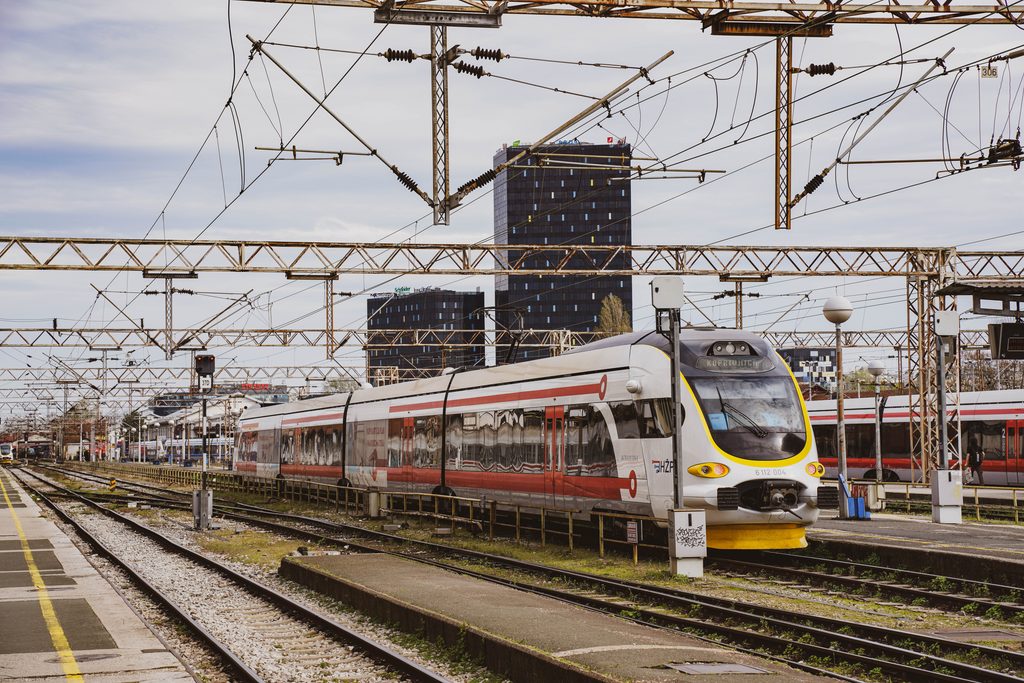
Professor Mladen Nikšić from the Faculty of Transport and Traffic Sciences believes that the current investments will bring significant improvements, especially after the completion of all projects. “I believe that we will have higher-quality railway traffic, shorter journey times and greater track capacity for the transport of passengers and freight. This will also make our ports more prominent,” Nikšić said. He assessed that the modernisation should significantly shorten journeys. “I believe that when those projects are completed, we will be able to reach Slavonski Brod or Vinkovci in two to two and a half hours, and we will travel faster towards Rijeka and the Adriatic cities as well.
That takes time, but I think the full effects will be visible in about ten years,” he said. Nikšić added that investments in infrastructure must be accompanied by better quality of transport, especially the punctuality and reliability of trains. “Work needs to be done on the quality of transport, punctuality and reliability. We also have new vehicles, and all of that together with a quality timetable must form a complete whole,” he said.
Professor Nikšić also commented on recent railway accidents in Croatia. He pointed out that the causes can be divided into two groups: non-compliance with procedures and problems in communication, and shortcomings in vehicle maintenance. “The number of freight train accidents on the Rijeka railway is particularly worrying.
With the liberalisation of freight traffic the state has lost part of its influence on the maintenance and control of vehicles,” he warned. He believes that the Railway Traffic Safety Agency should intensify extraordinary and unannounced inspections, and that for the prevention of human errors the key are the education of employees and compliance with procedures. “Administratively everything can be in order, but vehicles can be better or worse maintained. Work must certainly be done on that,” he emphasised. Marijan Ćužić from HŽ Infrastructure said that preliminary checks of recent accidents have not shown irregularities on the infrastructure, but that investigations are still ongoing.
the rijeka railway can’t deal with all the freight
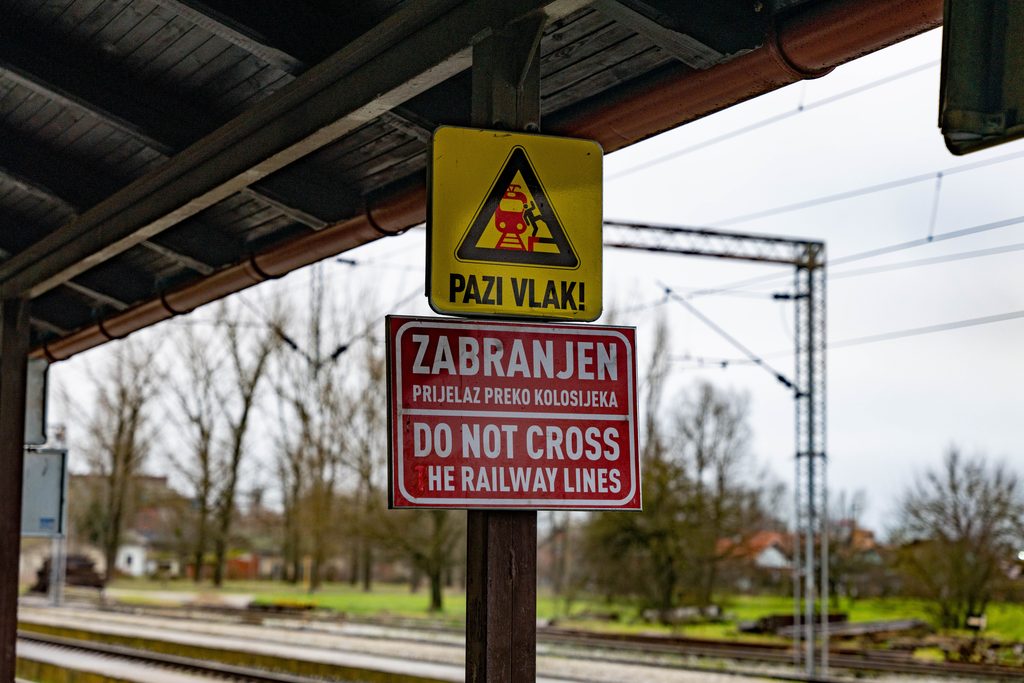
“Our first preliminary investigations have shown that there was no error on the infrastructure. The railway systems, including tracks and switches, are correct,” Ćužić said. He added that the education and communication of all participants in railway traffic need to be improved in order to reduce the risk of accidents. Žarko Tušek emphasised that investments in the railway have a key role in strengthening the competitiveness of Croatian ports. As an example he cited Rijeka, whose traffic is growing, but the existing railway cannot accept all the freight, so it ends up on the roads. Marijan Ćužić continued and explained that the construction of the second track will enable significantly greater freight transport. “We calculate that with the new railway we will be able to transport to Europe all the additional quantities of freight that the Port of Rijeka plans in the next ten years or so,” he stated.
could rijeka become a bigger logistics centre than trieste and koper?

Mladen Nikšić believes that along with Rijeka it is also necessary to develop the Dalmatian ports, modernise the Lika railway and better connect Zadar, Šibenik and Split. He also warned that the future lowland railway towards Rijeka will require additional port capacities.
“When the lowland railway is built, its capacity will be 30 million tonnes, which Rijeka alone will not be able to generate. That is why we already need to think about a new port on Krk, a railway connection and a new bridge that would connect the island with the mainland,” Nikšić said. Tušek confirmed that the lowland railway, a new terminal on Krk and a large freight centre in Zagreb are part of the Government’s strategic plans. “Krk is not any fantasy, but a project that needs to start being elaborated urgently. Its potential is such that Rijeka could become a stronger logistics centre than Koper and Trieste together,” Tušek concluded.
When asked when the general public and the economy will feel concrete benefits, Marijan Ćužić replied that the first results will be visible in two to three years, and that the Croatian railway in the next decade should reach the European level. “The first advances will be seen on the section from Zagreb to the Hungarian border, but also on the railways in Istria, in the Knin and Zadar area and on the Podravina main line. Already in a relatively short time our users will be able to use the advantages of a modern railway,” he concluded.