

April the 10th, 2026 – More and more flight cancellations have begun affecting Croatian airports as the globe enters more deeply into the fuel crisis caused by Israeli and American attacks on Iran.
As Poslovni Dnevnik/Sinisa Malus writes, airlines are scrambling to dynamically adjust their schedules amid the ongoing conflict in the Middle East, which has led to a rise in jet fuel prices across Europe. Airlines are currently all reviewing their operations, with short-term flight frequency reductions primarily affecting the months of April and May. This follows the earlier cancellation of more than 450 flights in April, reports Ex-Yu Aviation News.
flight cancellations affecting croatian airports in split, zagreb and dubrovnik
Turkish Airlines is currently reducing the number of flights operating on its Istanbul-Zagreb route. After initially planning 21 weekly flights during the month of April, the airline is now expecting to operate between 18 and 20 flights per week for most of the month, so not a huge drop at all.
LOT Polish Airlines is also reducing the number of flights to several destinations connecting Poland to Croatia and the region. The Polish carrier will reduce the number of flights to Dubrovnik during selected weeks in April from three to two weeks, while in May, Split will have a two- to three-week rotation for most of the month, compared to the previously planned four.
Volotea is currently halving its capacities between Bordeaux and Dubrovnik from two to one weekly flight in April. Similarly, in Split, both routes to Bordeaux and Nantes will be reduced from two to one per week.
SAS, which had planned to operate a weekly Copenhagen-Split route throughout April, will temporarily suspend operations between the 18th of April and the 2nd of May. Smartwings also intends to reduce its planned services to Croatia’s second largest city throughout the month of May, from four to five weekly rotations instead of seven until the 25th of May.
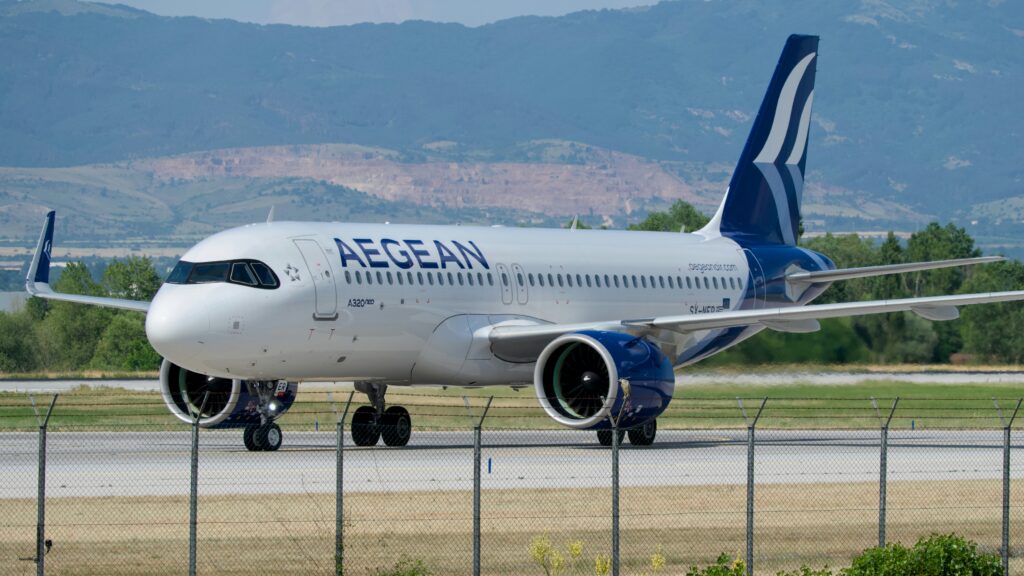
The ever-popular Ryanair is reducing the frequency of its flights between Zagreb and Paphos from the originally planned five weekly flights down to four, with no other alterations as yet. Finally, Aegean Airlines will complete its new seasonal Thessaloniki-Dubrovnik route, which will be launched this June, a week earlier than originally planned, with the last flight now scheduled for the 11th of September instead of the 18th of September.
All in all, no enormous flight cancellations are currently affecting Croatian airports and the situation remains more or less stable. It’s a far cry from the coronavirus pandemic in which we saw unprecedented chaos.
fuel supply disruptions

According to various circulating media reports, jet fuel supply disruptions caused by the unfolding war in Iran and the blockade of the Strait of Hormuz have occurred at airports in neighbouring Italy, with those in the UK being among the most affected airports in all of Europe. According to data from the International Air Transport Association (IATA) from its Jet Fuel Price Monitor, the average price of a barrel of jet fuel last week stood at 209 US dollars, while a month ago it was 157.4 dollars. In stark contrast, during February it was less than 100 dollars per barrel.
Fortunately, there are no such problems occurring in Croatia for now. There are no difficulties or restrictions in the supply of jet fuel to Croatian airports, INA assured on Tuesday. INA otherwise has a concession for the supply of jet fuel to all seven major Croatian airports where passenger traffic takes place, and this supply is regular and in sufficient quantities.
“INA holds 100% of the jet fuel market in Croatia. Production is stable and sufficient for the needs of the Croatian market. As a company of strategic importance for the security of energy supply in the Republic of Croatia, we continuously monitor market developments and are always ready to respond to all challenges in a timely manner. INA will continue to ensure supply, not only to INA’s retail locations but also to our wholesale customers,” INA concluded.
flight prices are in question
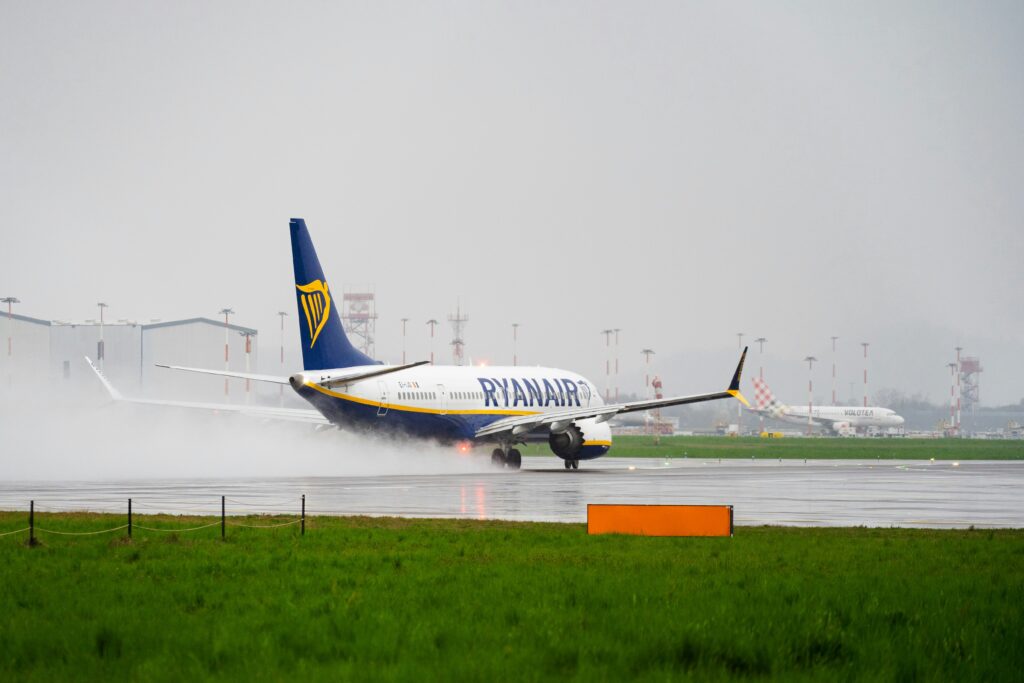
The problems being felt across the aviation industry are becoming more serious week by week, and on a global scale. Ryanair’s Michael O’Leary told Sky News last week that disruptions in jet fuel supplies could begin as early as May if the conflict continues. Analysts told the BBC that ticket prices are likely to rise, even if not enormously, and flight cancellations are likely to continue.
“Starting from an already tight market, the current lack of jet fuel exports from the Middle East is making the situation worse,” said Mick Strautmann, an analyst at Vortex.
“With global jet fuel exports at a four-year low, the same level of demand for air travel is unlikely to be sustainable if disruptions continue, meaning airlines will likely have to further increase prices and reduce the number of flights,” Strautmann concluded.