June the 1st, 2026 – Croatia and the story of high prices has been doing the international rounds for a very long time now, but has it finally reached its absolute limit on tourism prices?
As yet another summer season begins, a growing number of tourism experts, economists and industry insiders are asking a question that is generating significant attention: Has Croatia finally reached the point where it can no longer keep raising prices?
This burning debate has become one of the biggest tourism stories in the country because it touches on Croatia’s most important industry and one of the most common complaints from both locals and visitors.
Over the last few years, stories about expensive coffee, high restaurant bills, costly parking and rising accommodation prices have become a regular feature of Croatian media coverage. Every single summer, comparisons appear online showing prices in various different Croatian destinations alongside those in Spain, Greece, Italy and Portugal.
This year is, so far, absolutely no different.
However, what has changed is that tourism experts are increasingly warning that Croatia may be approaching a critical point where further price increases could damage competitiveness.
croatia’s “cheap destination” days are well and truly dead in the water
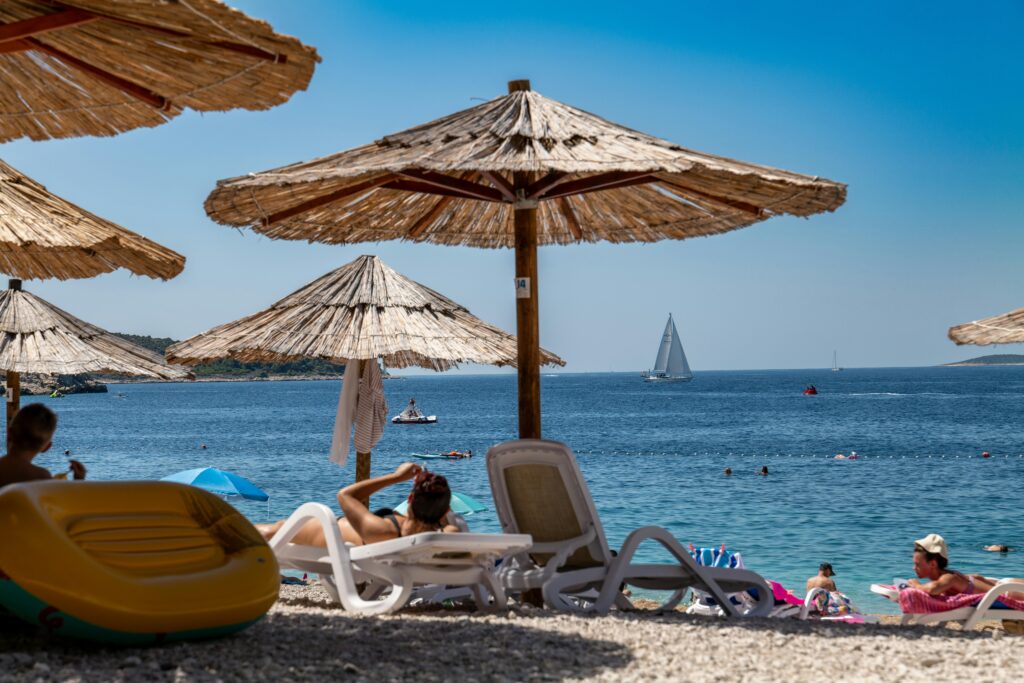
For very many decades, Croatia benefited from a reputation as an affordable Mediterranean holiday destination. That image helped fuel rapid tourism growth after independence and especially following EU accession.
Today, however, many visitors no longer view Croatia as a budget option. In fact, it’s become the polar opposite. In some destinations, accommodation prices can rival or exceed those found in much more established Mediterranean markets. Restaurant prices, parking fees and tourist services have also become noticeably more expensive.
Many tourism professionals argue that Croatia should stop focusing on quantity and start focusing on quality. Rather than attracting ever-larger visitor numbers, they say Croatia should position itself as a premium destination offering higher-quality experiences, better service and greater value. The goal would not necessarily be to lower prices, but to ensure visitors feel they are receiving enough quality to justify what they pay.
croatia can’t lie on its laurels, and the competition is becoming tougher
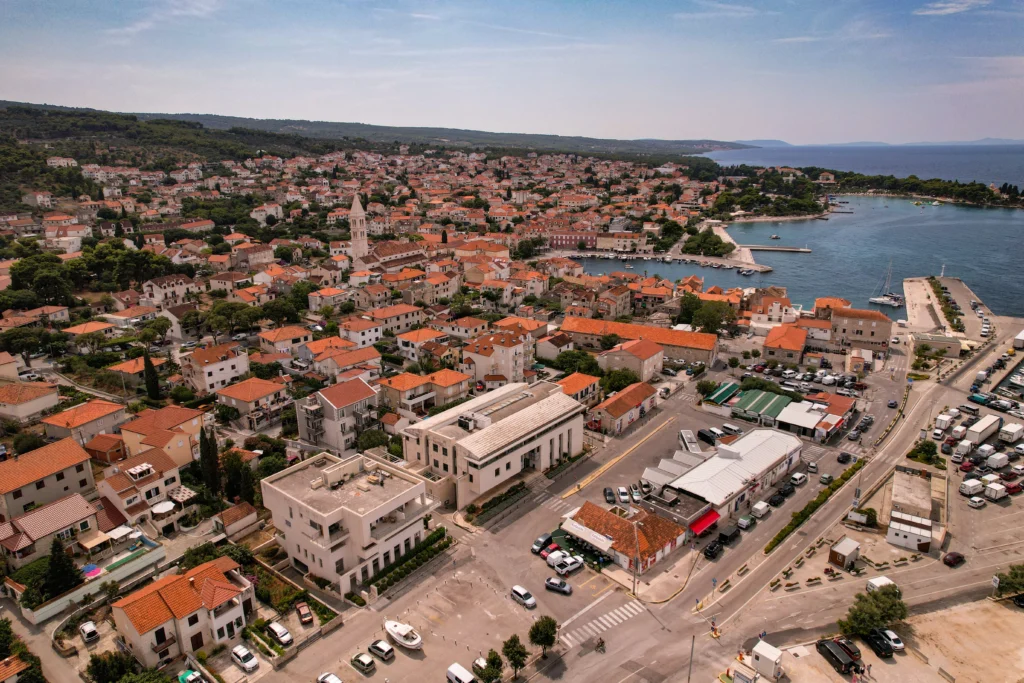
Croatia is competing against some of the world’s strongest tourism brands. Countries such as Spain, Greece, Italy and Portugal continue investing heavily in tourism infrastructure and service quality. Meanwhile, destinations in Turkey, Egypt and North Africa often offer significantly lower prices. This means Croatia cannot rely solely on natural beauty and location to remain competitive.
The post-pandemic tourism boom created strong demand across Europe. However, travellers are becoming increasingly price-conscious. Visitors now compare destinations more carefully, read reviews more closely and pay greater attention to value for money. Several tourism analysts have warned that Croatia’s future success will depend less on attracting first-time visitors and more on convincing guests to return.
While Croatia continues attracting large visitor numbers, some tourism businesses have reported that guests are becoming more cautious with spending. Instead of eating out every night, some tourists are choosing supermarkets. Others are shortening stays or booking accommodation further from the coast. These are not yet signs of crisis, but they are being closely watched within the industry.
The importance of this discussion cannot be overstated. Tourism contributes an extremely significant share of Croatia’s GDP and supports hundreds of thousands of jobs directly and indirectly. Any slowdown in competitiveness would therefore have consequences far beyond hotels and restaurants. This is why the pricing debate is receiving so much attention from economists and policymakers alike.
finding a proper balance before tourists simply go elsewhere
Most experts agree that Croatia should not compete solely on low prices. Labour costs, inflation and investment needs make that unrealistic. At the same time, continually increasing prices without corresponding improvements in service and infrastructure creates risks. The challenge is finding a balance between profitability and long-term competitiveness.
As another bustling summer season gets underway, Croatia’s tourism industry finds itself at an important crossroads. Visitor numbers remain strong. The country’s international reputation remains excellent, but very valid concerns about affordability are becoming louder. The question now being asked across Croatian media is no longer whether Croatia can charge more. Instead, it is whether Croatia can continue charging more without changing what it offers in return. The answer to that pressing issue will help determine the future direction of Croatian tourism for years to come.