September the 21st, 2026 – Furious and deeply concerned Lika residents have been asking one very valid question following the shameful hazardous waste scandal was uncovered: Are we infected?
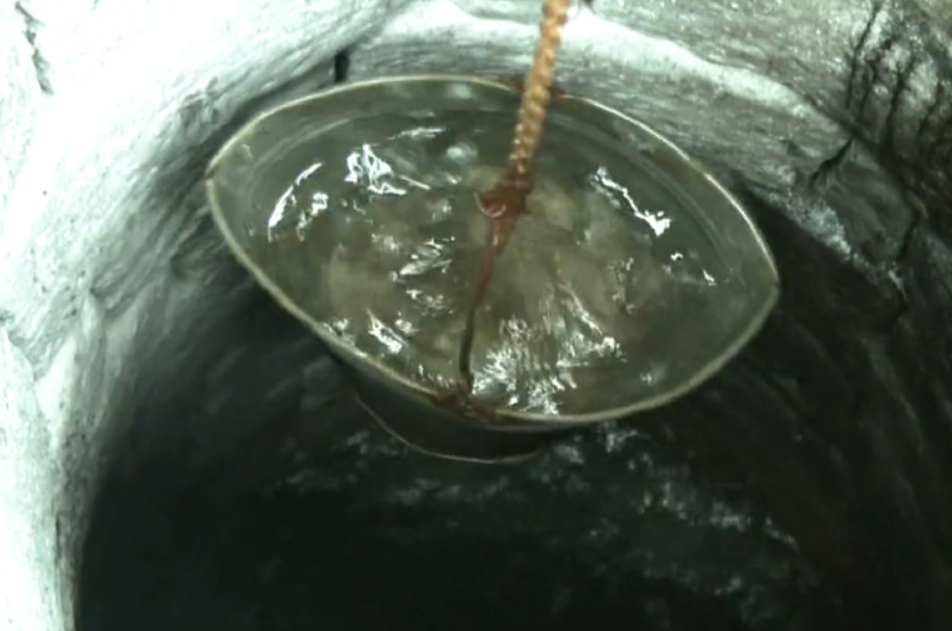
In wells in the Gospić settlement of Krpani, downstream from the illegal waste dump in Bilajska Street, PFAS compounds, which are so-called forever chemicals, have unfortunately been found. One of the wells is about 600 metres from the dump, HRT reported. The latest findings have further alarmed residents who have for years been using local springs and wells and are engaged in livestock farming and agriculture. Index reports that the Croatian Institute of Public Health published the results of extraordinary sampling of 43 private water facilities in the Lika area – 38 wells, three cisterns and two springs. PFAS was found in two wells in the immediate vicinity and downstream from the illegal dump.
In one of them, the sum of PFAS compounds amounted to 0.3018 micrograms per litre, more than three times above the maximum permitted value of 0.1 micrograms. In the other 0.0265 micrograms per litre was measured, which is below that limit.
serious concerns about the water in lika
Residents of Krpani warn that the groundwater from their settlement does not remain only in the area of the wells. “This water that flows through here goes into the well, and that well now has PFAS, it now has those compounds,” said OPG owner Marko Štimac for HRT. Resident Mate Krpan claims that these are groundwaters that are connected to local watercourses and warns of the possibility of further spread of the pollution. The exact direction and extent of the movement of the pollution through the groundwater still needs to be professionally determined.
“are we infected?”
The wells were once an important source of water for residents, and the new findings have caused fear because of possible long-term exposure.
“Are we infected or not, we’ll see. Who knows, who knows,” said resident Božo Krpan. “Of course I’m afraid for the children, there’s always the thought whether this has already affected their health, and our health in general,” said Josipa Krpan. PFAS is a large group of very persistent chemical compounds that are difficult to break down in the environment, which is why they are often called forever chemicals.
family farms fear for their livestock and produce
Particularly concerned are local farmers whose livestock used water from that area. “The livestock may be infected, I don’t know, that needs to be tested. I won’t sell calves and think whether I’ll infect someone with that,” said Štimac. Tomislav Krpan fears that the findings could completely destroy the market for local producers from Lika. “What we’ve been raising will obviously all go to ruin, and we will no longer have a market, nor will we be able to sell our products, neither lambs, nor calves, nor kids, nor potatoes,” he said. Their fears so far do not mean that the livestock or food from their farms is indeed contaminated. Separate tests would be needed for such a conclusion.
HZJZ this week published the results of testing 32 samples of locally produced food from 13 locations up to a kilometre away from the dump. The Institute states that the findings so far do not show general contamination of local food, and in seven samples tested for PFAS the values were below the limit of quantification.
public health authorities say the water is safe…
It is important to emphasise that the disputed wells are not part of the public water supply system. HZJZ states that residents of that area are connected to the public water supply and that the water from the two wells in which PFAS was found is not used for drinking. The Institute concludes that the results so far point to pollution of a local character, in a narrower area downstream from the dump. Analyses of the public water supply so far have not shown PFAS above the limit of determination. By 16 September a total of 93 samples of water from the public system in the Lika-Senj County and Pag area were analysed, and all were health-safe.
Earlier expert examinations carried out for USKOK already established PFAS compounds in the waste and groundwater immediately next to the illegal dump. HZJZ published that the compounds established in the waste match those found in the groundwater in its immediate vicinity.
Biologist and ecotoxicologist Branimir K. Hackenberger warned for HRT that the findings from different polluted wells are not the same. “The chemical fingerprint is completely different in those wells, which means that the source of pollution is also not one, and we cannot link all three wells to that one nearest source of pollution that is located there,” he said. For that reason, he is calling for a detailed hydrogeological investigation.
“Experts from the Institute and other institutions must absolutely go out into the field as soon as possible, see what the traffic of that water is like, what the hydrodynamics are, what the directions are, etc., so that anything further can be responsibly claimed on the basis of such analyses,” said Hackenberger.
covering this waste up is nowhere near enough of a solution
The citizens’ initiative Gospić is Our Home considers that the planned temporary covering of the waste can no longer solve the groundwater problem.
“That solution made sense a year ago, but now, as we know, the influence of groundwater cannot be prevented,” said Darija Dođen from the initiative. In the area of the former PPK Velebit complex in Gospić around 37,000 tonnes of mixed waste were illegally dumped. USKOK is conducting an investigation against a larger number of persons on suspicion that they committed criminal offences against the environment and the economy as part of a criminal association. The latest findings from private wells now open the question of how far the pollution has spread through the underground karst system and what additional tests are needed to assess its actual reach.