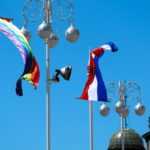
June the 7th, 2026 – The pride flag issue has only escalated after Zagreb Pride 2026 was held in the capital yesterday, with some believing the rainbow flag has no place next to, or in place of, the national one.
What began as the disappearance of several rainbow flags in central Zagreb has quickly become one of Croatia’s most discussed social and political stories. The incident, which coincided with the start of Pride Month and preparations for Zagreb Pride, has triggered a wider debate about public space, freedom of expression and the direction of Croatian society. While the missing flags themselves represent a relatively minor incident, the reaction they generated reveals how issues surrounding identity and values continue to divide public opinion across the country.
flags as division as well as unity
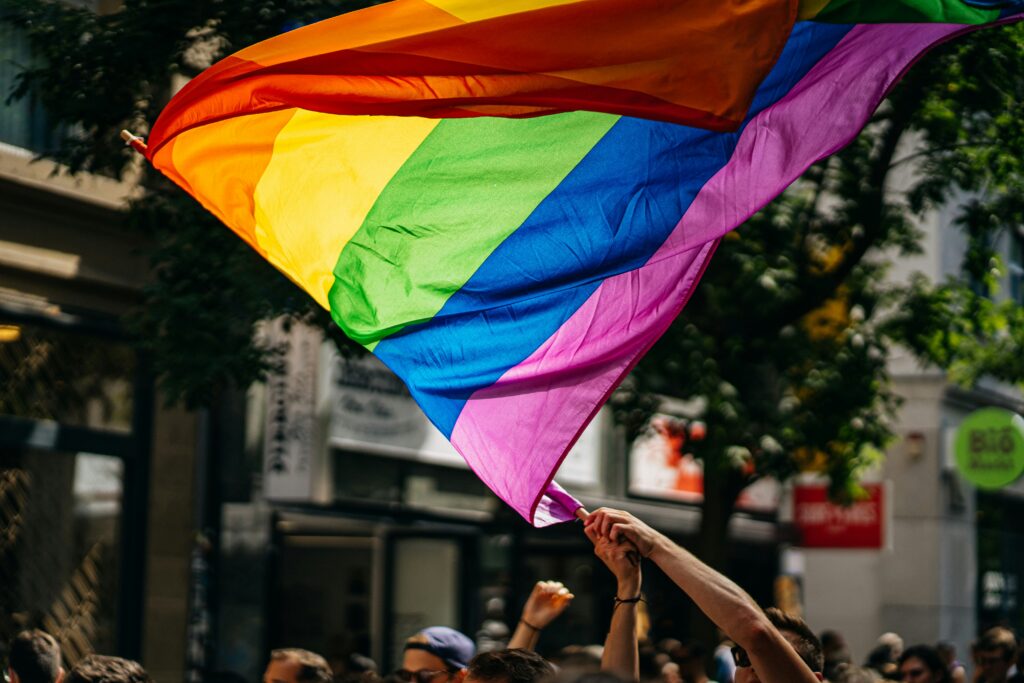
Rainbow flags were placed around Zagreb’s central areas ahead of Pride events scheduled throughout June. Shortly afterwards, reports emerged that several of the flags had been removed or damaged. Photos quickly appeared online and were picked up, transforming what might otherwise have been a local incident into a nationwide talking point. The story spread rapidly because it touched on issues that consistently generate strong engagement: culture, politics and social values.
Zagreb Pride marks a milestone 25th year
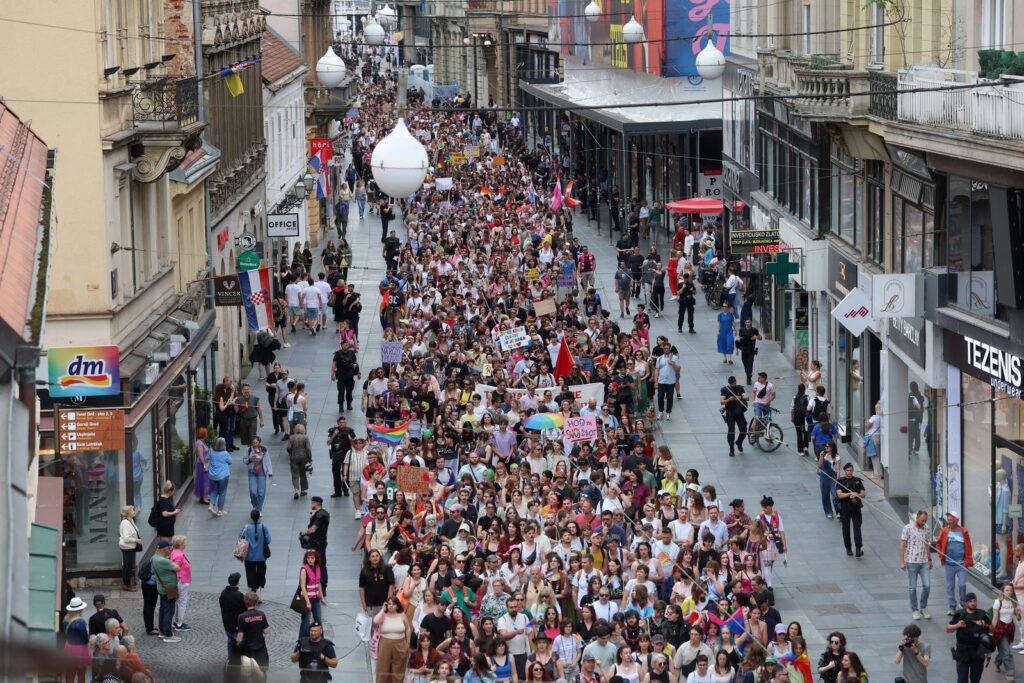
This flag controversy comes as Zagreb Pride celebrates its 25th anniversary. What began as a small and heavily protected march in the early 2000s has evolved into one of Croatia’s largest annual civil rights events. Organisers say the event remains important because discrimination and intolerance have not disappeared, despite significant legal and social changes over the past two decades. For supporters, the rainbow flags were simply part of that visibility.
LGBT organisations and activists reacted strongly to the incident both in and out of Croatia. Many argued that the removal of the flags sends a message that some members of society are less welcome than others. Supporters say public displays during Pride Month are intended to promote visibility, acceptance and equality. They view attacks on those symbols as evidence that prejudice remains a real issue. Several public figures and politicians also condemned the removals.
Not everyone sees the flag issue in the same way. Some commentators argued that public spaces should remain politically neutral and free from symbols associated with any particular movement or cause. Others questioned whether government institutions should participate in Pride-related displays at all. While critics generally condemned vandalism, many argued that opposition to the flags should not automatically be interpreted as opposition to LGBT rights themselves. The result has been a familiar Croatian debate over where the line between inclusion and political messaging should be drawn.
Social media turned it into a national story

As often happens in Croatia, social media amplified the issue far beyond the original incident. Within hours, thousands of comments appeared across Facebook, Instagram and X. Supporters and critics alike used the story to reinforce broader arguments about Croatia’s future, its values and its identity. For many users, the flags became a symbol of larger cultural battles rather than the specific incident itself.
Public opinion surveys over the years have shown that Croatian attitudes toward LGBT issues have become much more accepting, particularly among younger generations and in larger cities. At the same time, traditional and conservative views remain influential, especially outside major urban centres. This means stories involving Pride events often become a proxy for wider debates about social change. The Zagreb flag controversy is the latest example of that pattern.
At its core, the debate is not really about rainbow flags, it instead encompasses competing visions of modern Croatia. One vision sees public support for minority rights as a natural part of a modern European society. The other argues that public institutions and public spaces should avoid taking sides in cultural debates. Neither side believes the argument is merely symbolic.
With Pride Month only just beginning and Zagreb Pride events continuing throughout the entire month of June, the debate is unlikely to disappear quickly. Whether viewed as an issue of inclusion, free expression or public symbolism, the controversy has once again demonstrated how questions of identity remain among the most powerful forces in Croatian public life.