August the 3rd, 2026 – If someone tells you that there are private beaches in Croatia you can’t enter this summer, you can freely ignore them and carry on swimming.
As Index reports, the basic rule is simple: on almost every beach in Croatia you are allowed to swim, sunbathe and spread out your towel – even if the beach is situated in front of a hotel, campsite, apartment complex or private villa. The sea and the seashore form part of the maritime domain in Croatia. That means they are not private property and are intended entirely for public use. The owner of a house on the first row to the sea does not own the beach in front of it, and a hotel doesn’t become the owner of a beach simply because it is located in front of its building.
swim wherever you like
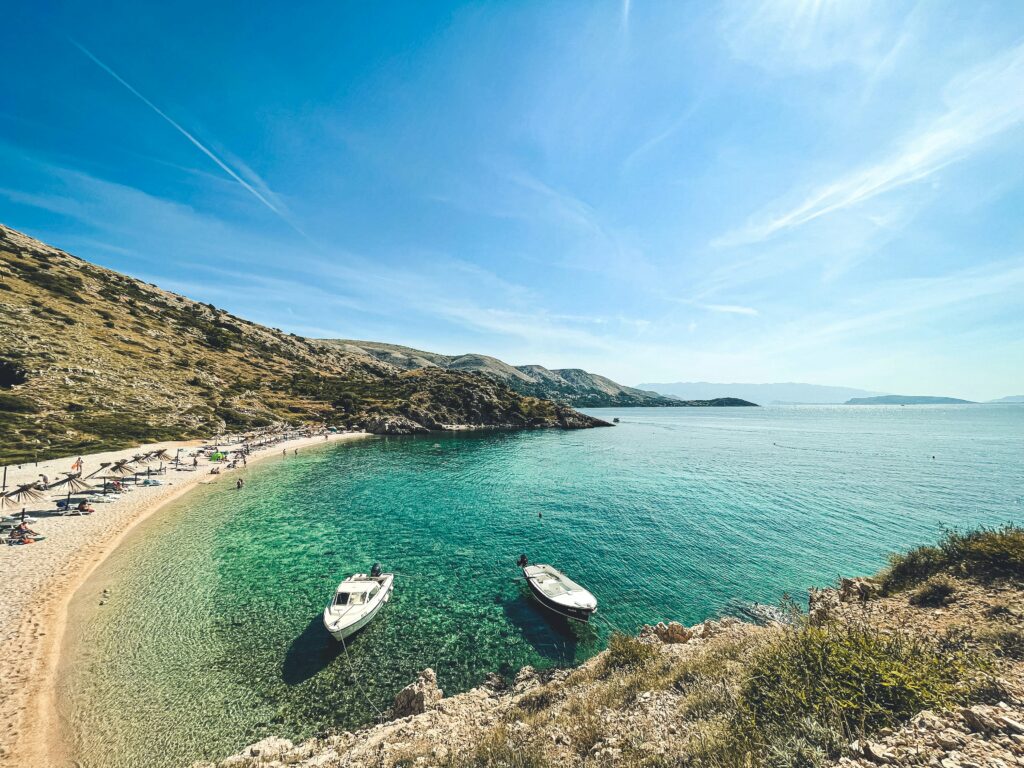
Signs saying “private beach,” “reserved for guests” or “no entry” do not automatically mean swimming is forbidden. If the beach is part of the maritime domain, then you are allowed to be there. A hotel, restaurant or concessionaire may charge for sunbeds, umbrellas, drinks, food or other services. However, they cannot charge you simply for being on the beach or entering the sea and swimming. You do not have to rent a sunbed, order a drink or be a hotel guest in order to swim there. You are free to bring your own towel, food, drinks and portable cooler.
sun loungers cannot occupy the entire beach

Empty sunbeds must not be used to reserve the beach. Just because someone rents out sunbeds does not mean they can occupy the whole beach in the morning and leave only a narrow path to the sea for other bathers. The same applies to towels left overnight – a towel does not reserve a spot for the next day. Anyone who wants a place on the beach has to come to the beach. Access to the shore may be restricted in military zones, special-purpose ports, shipyards, parts of harbours, or places where it is regulated for safety reasons.
there are exceptions with very special rules…
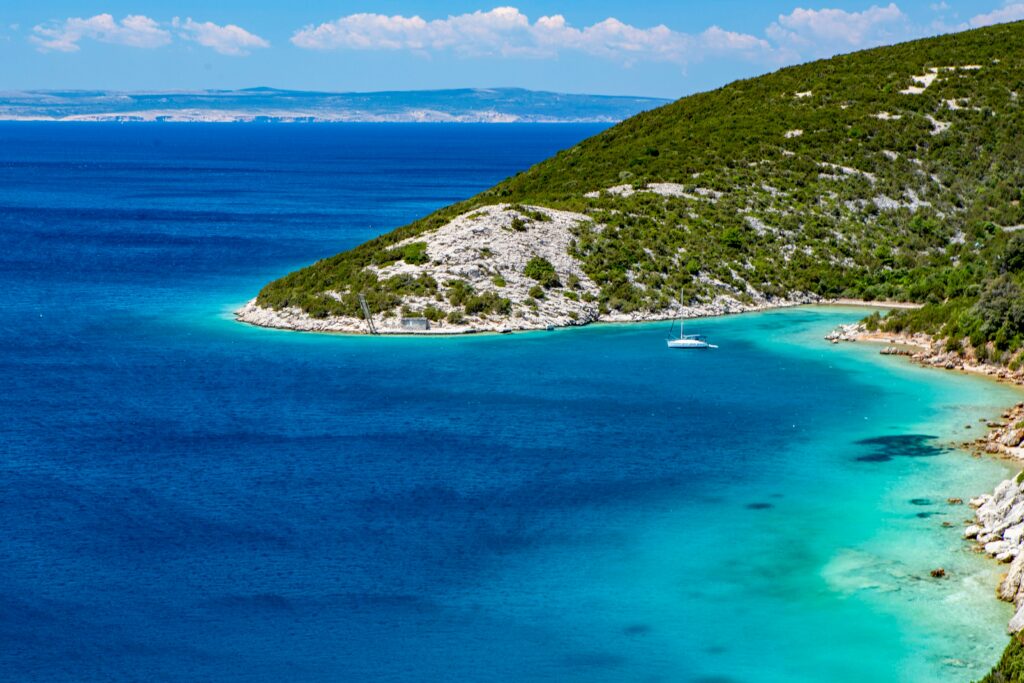
A very small number of beaches still operate under older concessions that allow special access rules. There are 15 such beaches in Croatia; better-known examples include Kostabela in Rijeka, Valalta in Rovinj and the beaches in front of Hotel Alan in Starigrad. These are exceptions. Under the 2023 Maritime Domain and Sea Ports Act, new sea beaches may not be fenced off, entrance fees may not be charged, and they may not be excluded from general public use except in strictly defined cases (for example, beaches belonging to public health institutions or designated nudist beaches).
the beach and the path leading to it are very different things
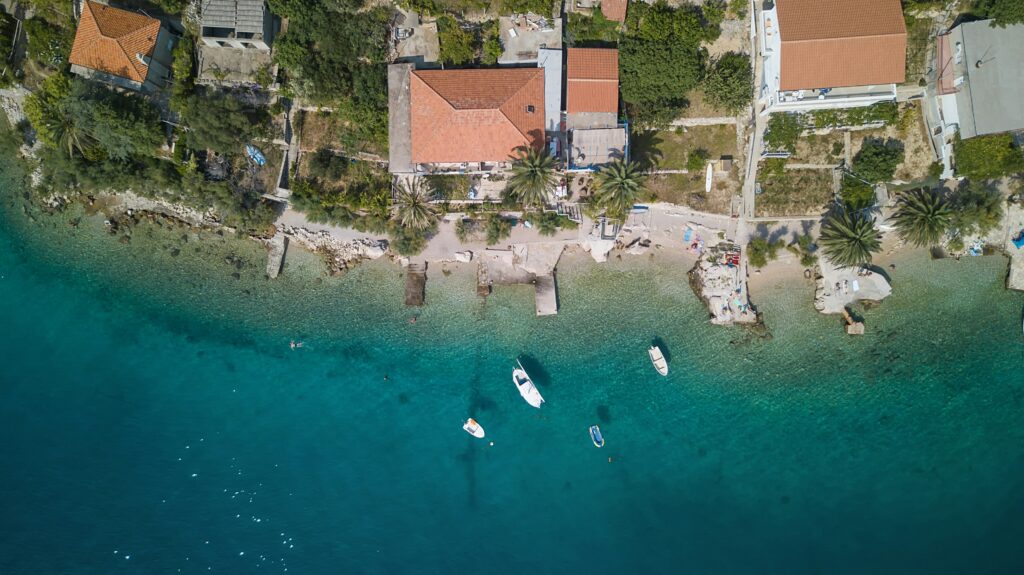
It is important to distinguish the beach itself from the path leading to it. The beach may be public, but the way to reach it can cross private land. If the only path to the beach goes through someone’s yard, garden, olive grove or fenced property, the owner can refuse you passage if there is no public path or right of way. The fact that it is the shortest or only land route does not give you the right to cross private property. In such cases you can reach the beach from the sea – by boat, kayak, SUP or by swimming. Once you have arrived legally, the owner of the house by the sea cannot forbid you from staying on the beach itself.
what if someone tries to kick you off a beach?

Don’t get into an argument. Ask on what basis they are forbidding you to stay. Photograph the sign, fence, padlock or the situation on the ground. If someone threatens you or tries to remove you physically, call the police on 192. If someone is fencing off the shore, locking access to the sea or illegally occupying a beach, you can report it to the harbour master’s office, municipal wardens or maritime inspectors.
The bottom line is simple: in Croatia, a beach in front of a hotel, campsite, restaurant or private villa is, as a rule, not private. You may swim, sunbathe and stay there. Just don’t try to reach it by cutting through someone else’s private garden.