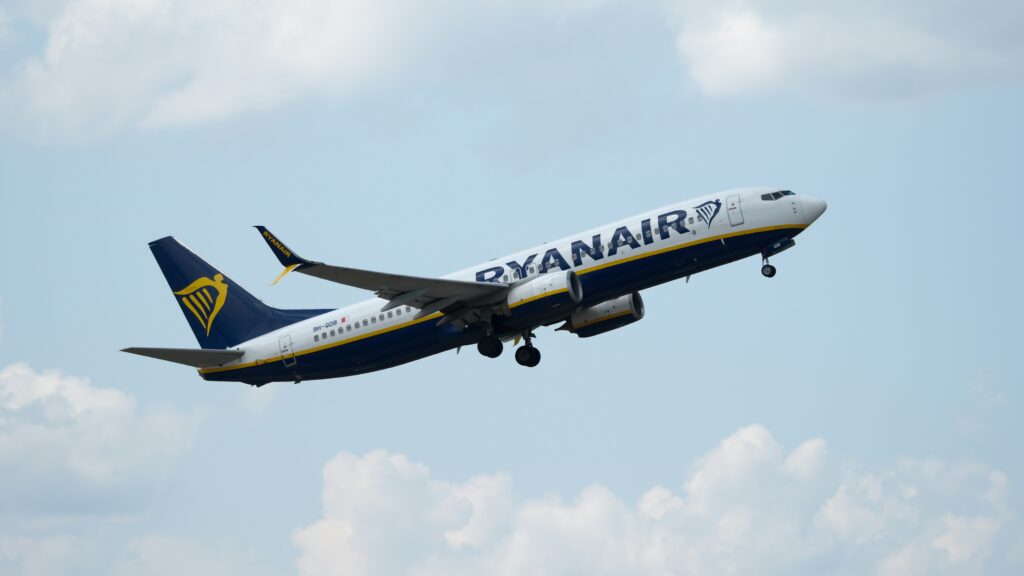
February the 15th, 2026 – Ryanair is set to directly connect Zadar with Kaunas in Lithuania. In just over two hours, the company will transport you from the Roman ruins and heat of Zadar to a city full of unusual attractions.
As Putni kofer/Ivana Vasarevic writes, during the cold winter months, we long for the sun, and during the scorching summer heat we dream of mountains and the north without the oppressive temperatures.
For those who aren’t fans of the sometimes insufferable Croatian summer heat, you’ll be pleased to learn that Croatia will finally be connected to Lithuania by direct flights between June to September this year. Thanks to Ryanair, you’ll be able to fly directly from Zadar to Kaunas, the second largest city in Lithuania (right after its capital, Vilnius).
The Ryanair connection from Zadar to Kaunas will see you arrive somewhere completely different in just two hours and 15 minutes. If you’re eager for new experiences that combine adventure and art, quirky Kaunas could win you over at first sight.
ryanair will connect zadar and kaunas throughout summer
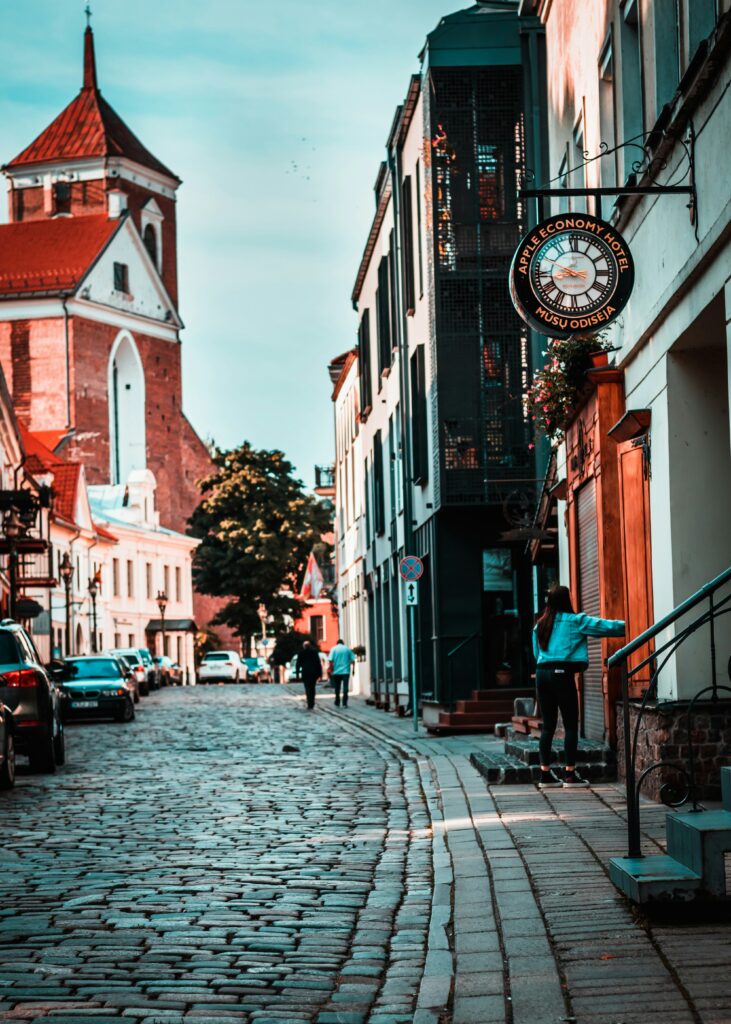
From art deco and modernism to the vibrant street art scene covering this old city’s facades, all of Kaunas simultaneously exudes the energy of the past and the present. In the very heart of the city, you’ll be greeted by buildings in the Bauhaus and modernist styles of the interwar period, which earned it a place on the prestigious UNESCO World Heritage List back in 2023.
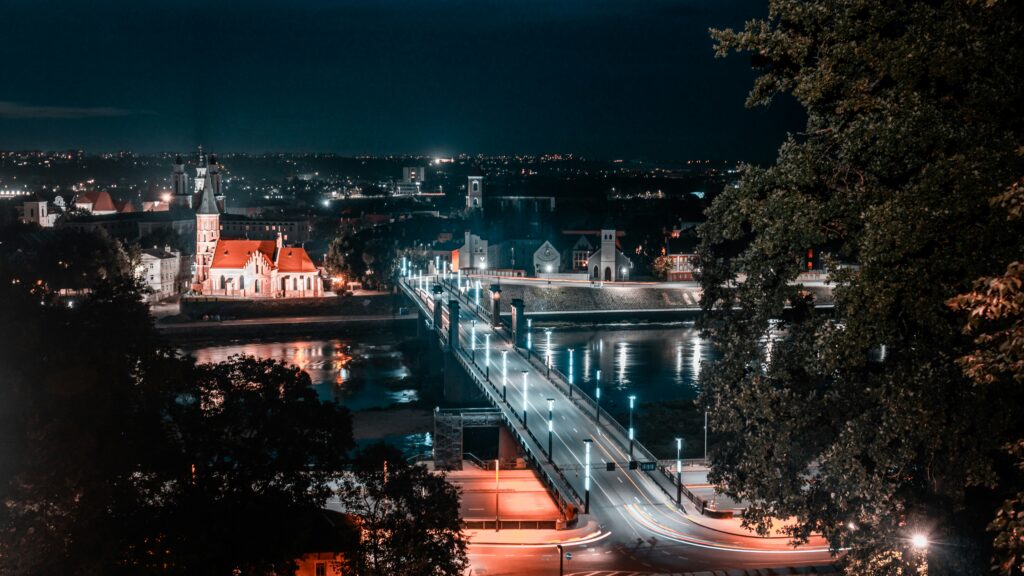
The best place to start exploring this Baltic gem is at the Aleksotas viewpoint. It offers a beautiful view of the old town, the Nemunas and Neris rivers, and a harmonious mix of historical and modern architecture. Only when you see Kaunas from a bird’s eye view are you ready to get to know it up close. One of the places that leaves a particularly strong impression is the rather remarkable Pažaislis Monastery, located on a peninsula of today’s Kaunas Lagoon. This baroque beauty was built back during the 17th century at the initiative of Kristupas Zigmantas Pacas, Chancellor of the Grand Duchy of Lithuania, who brought in top Italian artists and architects to do the job well.
The structure is adorned with frescoes that testify to the splendour of Italian Baroque, while the miraculous image of the Virgin Mary still attracts pilgrims from all over the world. During the summer, the monastery becomes the stage for the Pažaislis Music Festival, which brings international musicians to the city. The complex also houses Monte Pacis, a boutique hotel that combines contemporary food and a historical atmosphere.
the home of ancient pagan rituals…
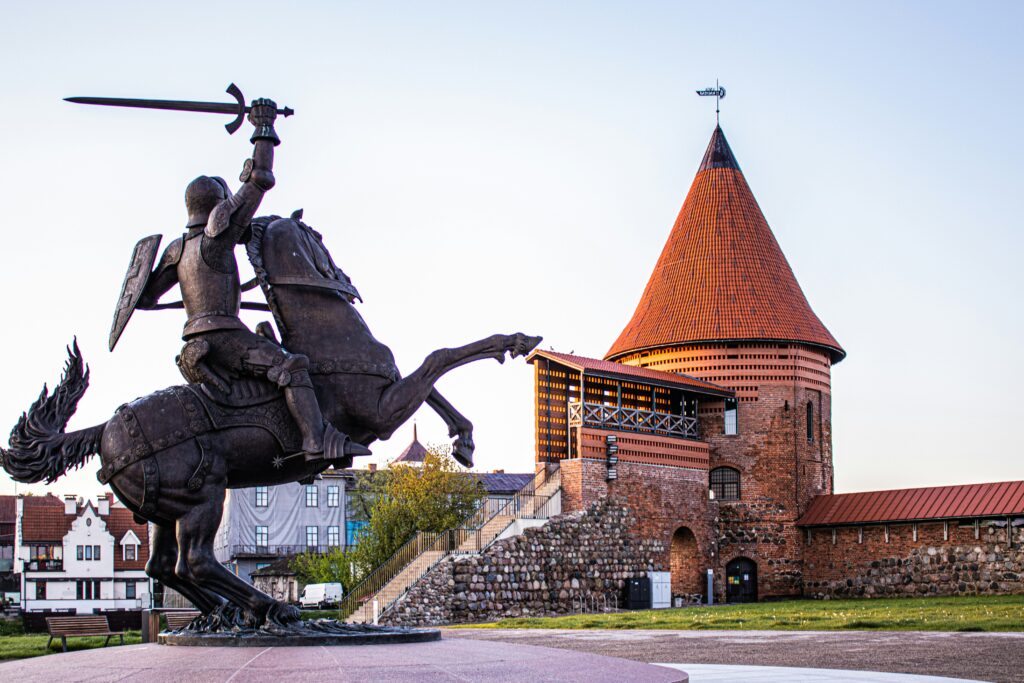
After Pažaislis, it’s time to return to the Middle Ages. The famous Kaunas Castle, the oldest stone castle in all of Lithuania, dates back to that dark period. Built during the 14th century at the confluence of the Nemunas and Neris rivers, it played a crucial role in defending against Crusader attacks, and is unique in that it has two rows of walls. The castle is surrounded by the so-called Estuary Park, a place that locals consider the heart of the city. Right next to that, you can also see an old pagan altar where ancient Baltic rituals took place many thousands of years ago.
The artistic soul of the city is particularly evident in the Mikalojus Konstantinas Čiurlionis National Museum of Art, named after the most famous Lithuanian painter and composer, who lived from 1875 to 1911. This museum will allow you to discover the full range of his seemingly endless creativity through numerous exhibitions, paintings and musical recordings.
the museum of devils
If you’re in the mood for something completely different, don’t miss out on a visit to the Museum of Devils, which is entirely unique on a global scale. Its unusual collection consists of several hundred depictions of the devil from different cultures, eras and artistic styles. Together, they form a slightly creepy, but also surprisingly humorous atmosphere. This is definitely the place that best reflects Kaunas’s real penchant for the unconventional and unusual.
When it comes to urban art, this city receives new, interesting street art works every year, from murals made by professionals to walls intended for totally free expression. Particularly noteworthy is the “Master” or “Wise Old Man”, which spans 440 square metres and is considered the first large mural in all of Lithuania. Another attraction in Kaunas is the Kiemo open-air gallery. It’s located in a courtyard in the very heart of the city and is surrounded by buildings where mainly Jewish families lived before World War II. Of course, these Jewish families were almost entirely wiped out after Hitler’s forces entered Lithuania in pogroms, massacres, and deportations. Artist Vytenis Jakas and the current residents launched this project to revive the memories of these former, tragic residents. The murals and installations there weave the story of everyday life, joy, and the unspeakable tragedies that marked this place not so long ago.