May the 18th, 2026 – Booming tourism spreading beyond its traditional confines is transforming smaller Croatian airports into international gateways to people from far and wide.
For many travellers arriving in Croatia, the first impression of the country no longer comes through Zagreb. That isn’t exactly news. It now comes through airports like Split, Zadar, Dubrovnik or Pula, regional gateways that are now the country’s busiest international hubs.
Smaller coastal airports have rapidly expanded and play a much bigger role in Croatia’s economy than they did just a decade ago. Historically speaking, Zagreb dominated Croatian air traffic as the country’s political and business centre, but tourism growth along the Adriatic coast has dramatically reshaped that balance.
Low-cost airlines, seasonal international routes and rising tourist demand have pushed coastal airports into a completely different category of importance. In the modern day, particularly during peak summer months, airports like those in Split and Dubrovnik handle enormous volumes of international passengers, often connecting directly with dozens of European cities. For many foreign visitors, these airports are now their primary connection to Croatia.
things took off in zadar (quite literally, in fact)
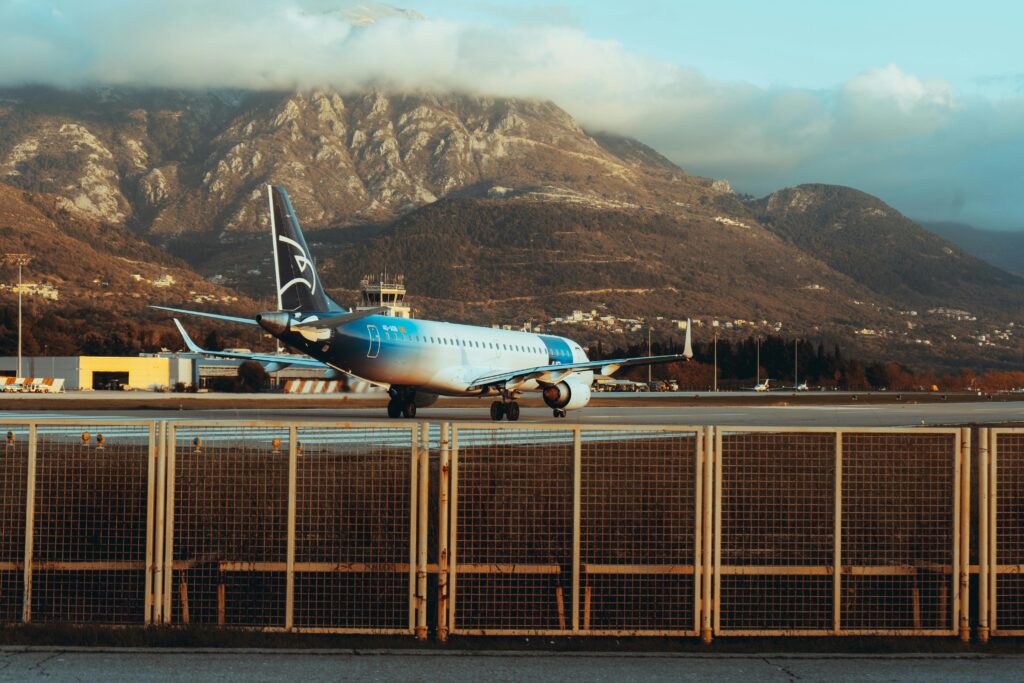
One of the most striking transformations in this sense has happened in Zadar. Once considered a relatively minor regional airport, Zadar has become a major low-cost airline hub, particularly through Ryanair expansion. The airport now connects northern Dalmatia with a growing list of European destinations, helping fuel tourism growth not only in Zadar itself, but across surrounding coastal areas and islands.
Croatian tourism analysts increasingly describe aviation connectivity as one of the key drivers behind the rapid rise of Zadar as an international destination. The impact goes far beyond tourism numbers alone. Airports influence hotel investment, real estate demand, hospitality jobs, car rental businesses and even long-term foreign interest in coastal property. Looking at things in practical terms, stronger international connectivity makes smaller Croatian regions feel significantly more accessible to European travellers. That accessibility has become one of the Adriatic’s biggest economic advantages.
seasonality remains the country’s top issue
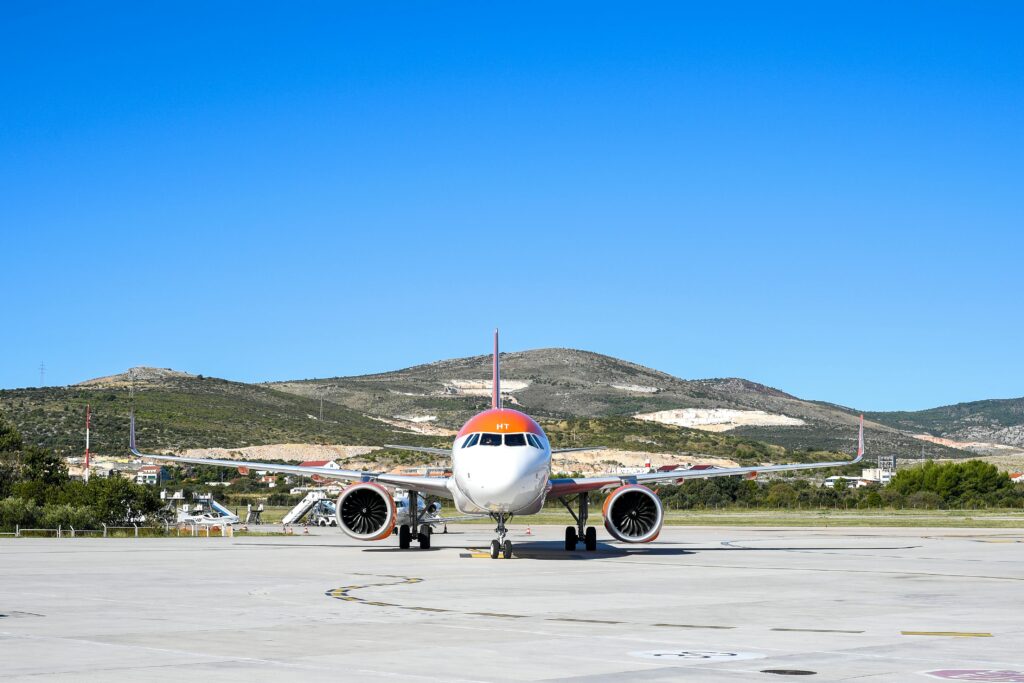
Despite the growth, Croatia’s airport system still faces a major structural issue (and so does the employment rate), which is seasonality. Passenger numbers explode during summer but fall sharply during winter months, especially at coastal airports heavily dependent on tourism traffic. Only Zagreb airport maintains excellent figures year-round.
This creates operational and economic challenges for coastal airports trying to maintain year-round sustainability.
Another major shift is psychological. For decades, parts of coastal Croatia felt relatively distant from much of Europe outside peak tourist periods. Now, many Adriatic cities are directly connected to major European capitals through low-cost and seasonal routes. This has changed not only tourism patterns, but also business travel, digital nomad movement and international visibility. Smaller Croatian coastal cities are increasingly functioning as internationally connected destinations rather than isolated seasonal resorts.
This very rapid growth also creates pressure. Croatian airports must now manage larger passenger volumes, infrastructure expansion and increasingly complex seasonal logistics. Traffic congestion, parking demand and terminal capacity are becoming more important issues, particularly during peak weekends in July and August. As tourism continues expanding, aviation infrastructure is becoming one of the country’s most strategically important sectors.
What is becoming clear is that Croatia’s tourism success no longer depends only on beaches and natural beauty. It also depends on how quickly and easily people can reach them. In that sense, Croatia’s smaller airports are no longer secondary infrastructure. They have become critical international gateways, helping connect the Adriatic to the rest of Europe more directly than ever before.