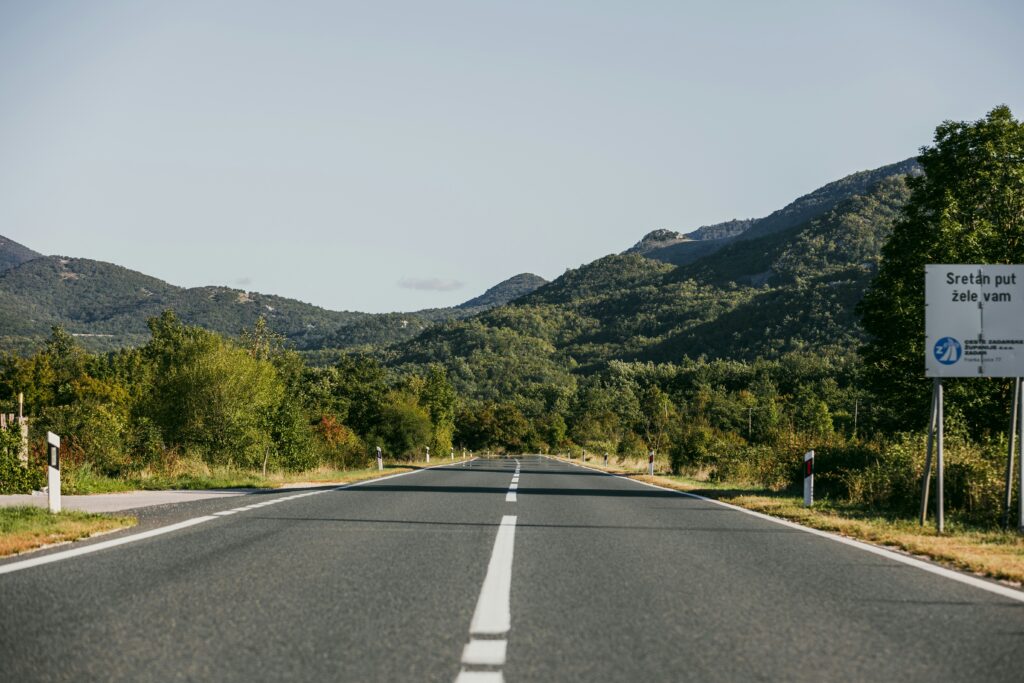
May the 18th, 2026 – Croatian motorways are not only excellently constructed, but offer fantastic connectivity, altering the face of inland tourism completely.
The Adriatic coastline and 1,000+ islands dominated everything in Croatia for decades. From popular summer arrivals to international marketing, and from infrastructure investment to the global perception of the entire country itself.
Beneath that aged and now very familiar image, another type of Croatian tourism story has been slowly developing away from the eyes of the masses. The commended Croatian motorway network may be one of the main reasons why, particularly for inland tourism in locations that would otherwise have continued to go completely overlooked and bypassed.
Very good and constantly improving road connectivity nationwide is increasingly helping inland Croatia become more accessible, visible and economically connected to Adriatic tourism flows.
Croatia’s motorway expansion over the past two decades dramatically changed how people move through the country. Routes connecting Zagreb with Split, Rijeka, Zadar and other coastal cities reduced travel times significantly and reshaped domestic tourism patterns almost overnight. What is becoming clearer now is that these same stretches of motorway are also opening opportunities for continental Croatia, which flew under the radar for decades. Regions once considered difficult to reach or disconnected completely from mainstream tourism routes are becoming far more accessible for weekend travel, wine tourism, rural tourism and shorter domestic trips.
the world remembers that croatia is more than just the sun and the sea
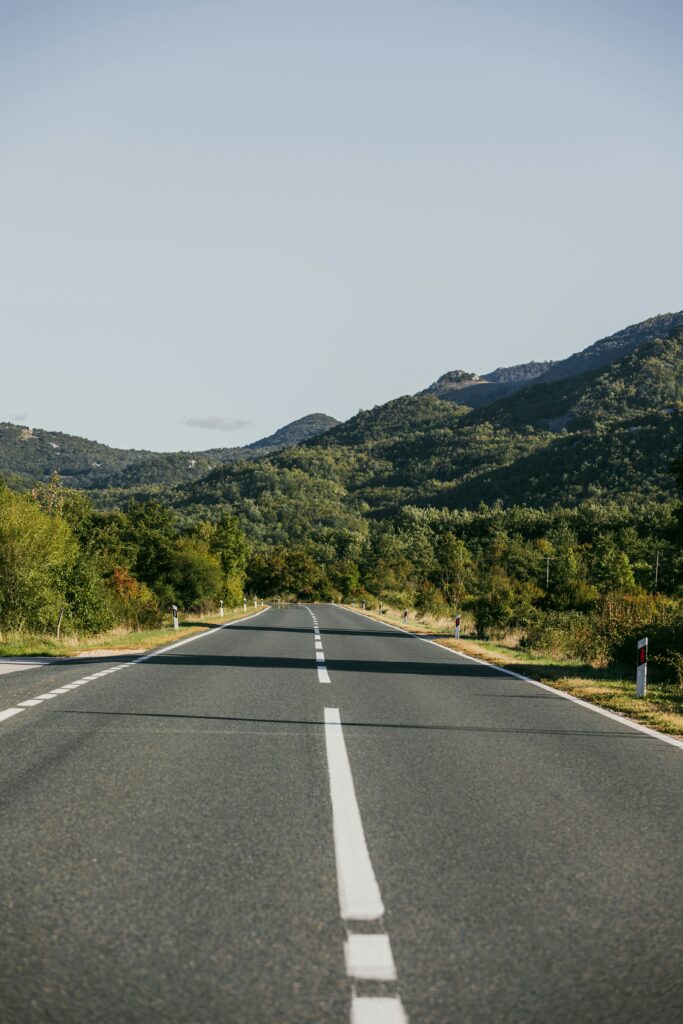
Slavonia, Zagorje, Međimurje, Lika and parts of central Croatia are all investing more heavily in food tourism, wellness tourism, cycling routes and rural accommodation. Domestic travellers in particular are showing stronger interest in shorter inland breaks, especially outside the scorching peak summer months. The Croatian motorway system makes these trips much easier than they were a generation ago, and inland tourism is experiencing a boom.
One of the biggest winners has been continental wine and good tourism. Vast and varied wine regions and rural food destinations that once depended mainly on local visitors can now attract travellers from Zagreb and even coastal regions and abroad much more easily. Weekend tourism culture is becoming much more common, especially among younger urban people looking for quieter alternatives to crowded Adriatic destinations.
regardless of increased popularity, the coast is still dominant

None of this means inland Croatia is replacing the Adriatic or its famous islands. The glorious Croatian coast remains overwhelmingly dominant in terms of international tourism arrivals, revenue and global recognition. What may be changing is the perception that Croatia’s tourism story exists only on the coastline and on the beach. Improved transport infrastructure is slowly helping chronically forgotten continental regions integrate more directly into national tourism flows rather than existing separately from them.
Another factor driving the shift is simple overcrowding and mass tourism. As parts of the Adriatic coastline and the islands become much more expensive and congested during the hot summer season, some travellers are becoming more interested in quieter and more affordable inland experiences. This is especially visible among domestic tourists and regional visitors from neighbouring countries arriving by car.
The Croatian motorway system allows travellers to move between coastal and inland regions to experience tourism elsewhere in the country relatively quickly, making mixed travel itineraries increasingly practical.
Beyond tourism itself, highways also changed how Croatians think about distance. Places that once felt geographically remote now feel much more connected to larger urban centres and tourism corridors. This psychological shift matters economically because accessibility often shapes investment, travel behaviour and business confidence as much as physical geography itself.
the future of croatian tourism will likely be more geographically blended

The long-term significance of the extensive Croatian motorway network extends beyond transport. It may gradually help Croatia diversify tourism away from extreme seasonal concentration on the coast. That process is still slow, and inland regions continue facing demographic and economic challenges.