November the 28th, 2026 – MEP Karlo Ressler has stated that now the Vukovar Resolution has been adopted, it is up to Serbia to confront its past.
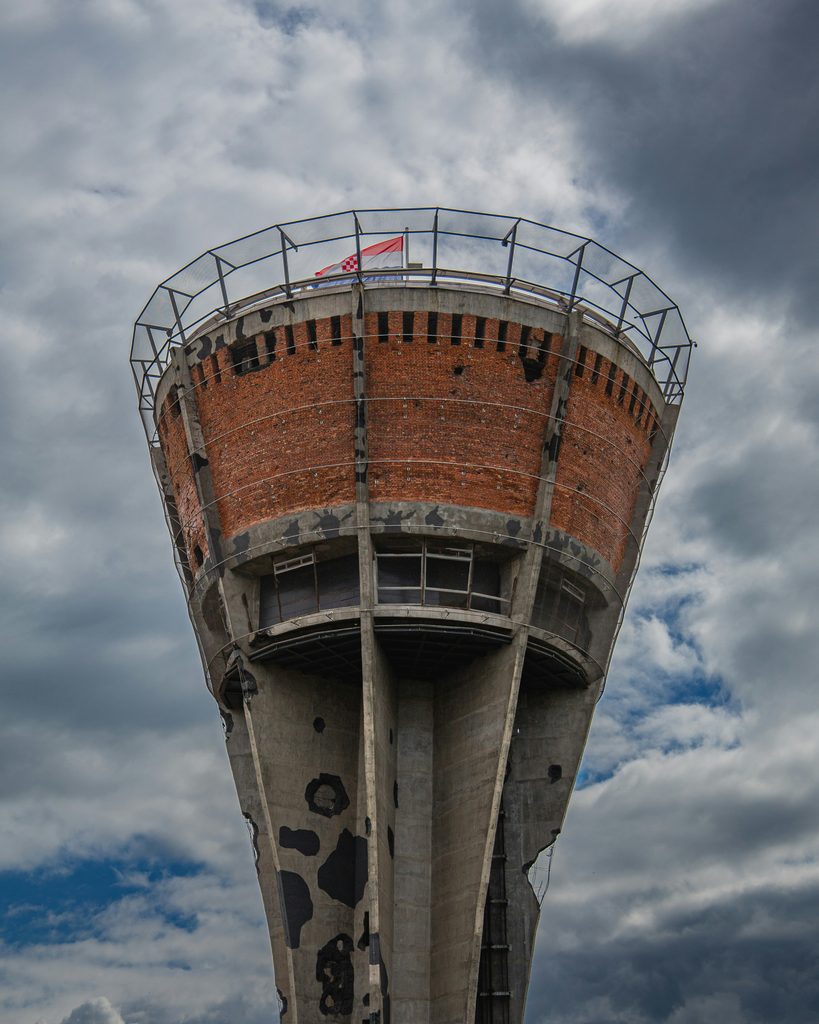
The European Parliament has formally adopted a resolution on the 35th anniversary of the fall and destruction of Vukovar, and Members of the European Parliament paid tribute to surviving Vukovar residents with applause. Index reports that the initiator of the resolution, MEP Karlo Ressler, spoke in a Media Servis Interview of the Week about the importance of the resolution for Croatia, relations with Serbia, and other current European topics.
“We won’t remain silent about what happened in Vukovar. We cannot compare it with Operation Storm (Oluja). The reactions from Serbia are not encouraging,” Ressler stated.
The Vukovar Resolution, which was adopted by a large majority, emphasises that the memory of Vukovar’s sacrifice belongs not only to Croatia, but to the whole of Europe, and that it serves as a lasting reminder that defending peace, human rights, and fundamental European values requires constant vigilance, sacrifice, political courage, and dialogue.
Ressler described the atmosphere in the European Parliament during the tribute to the people of Vukovar. “When you see the people of Vukovar who went through that Calvary of Vukovar, who personally bore the greatest sacrifice and burden in their lives, you see in an even deeper, more human way how important it is to speak about Vukovar today as well, and I think this is the least we can do for those people who truly gave everything for our freedom,” he noted.
“It’s important that we have woven our memory of Vukovar into the broader European cultural and civilisational heritage,” Ressler added.
minor changes requested by the liberals
The resolution was also supported by other Croatian MEPs, and minor amendments were introduced into the text at the request of the Liberals. Ressler claims that not a single key provision was abandoned in the process. “We did not want to agree to anything that would be substantive. I think it is important to speak about Vukovar and what happened completely clearly and without any relativisation or similar,” he emphasised. “We insisted that Vukovar be clearly recognised first and foremost as a symbol of Croatian resistance to Milošević’s Greater Serbian aggression, that horrific crimes took place in Vukovar—clearly including Ovčara, as well as a whole series of other murders, systematic looting, persecution of the Croatian population, and rapes that formed part of ethnic cleansing. That is something clearly stated there,” he continued.
The resolution also calls for the opening of war archives, which is one of the key issues in the search for missing persons from the Homeland War. Croatia is still searching for 1,725 missing persons.
“any kind of calculation speaks to something much deeper”
Representatives of the student movement in Serbia, which defeated Aleksandar Vučić in recent elections, stated in reaction to the resolution that reconciliation requires acknowledging all suffering and that Operations Flash and Storm must not be omitted from a comprehensive view of that historical period. Ressler assessed that such messages from Serbia are not encouraging. “Any kind of calculation around paying tribute to Croatian defenders, and tributes to the victims of Vukovar and Ovčara, speaks to something deeper, something civilisational. It truly saddens me that such a situation exists, but I would separate two things,” he remarked. “So, as the European Parliament, we bowed to that sacrifice. On the other hand, it is up to Serbia, to the incoming leadership, and generally to the entire society, to confront what happened in the 90s,” Ressler believes.
pupovac’s statement

SDSS President Milorad Pupovac warned that the resolution could negatively affect relations between Croatia and Serbia, recalling that members of the student-civic movement had previously criticized the politicization of wartime suffering. Ressler rejected such a stance. “No, I cannot accept such theses suggesting that we should, say, keep quiet about what happened in Vukovar, that we should be patient until the 50th anniversary or find some better timing,” he said. “We’re paying tribute to the sacrifice of Vukovar, to the heroic defenders, and that is what we will continue to do. Therefore, I do not think we should put this in the background in order to somehow appease the incoming government in Serbia. That is not our task,” he stated.
historical facts exist whether people like them or not
Asked whether Europe had hitherto been too restrained in naming those responsible for the wartime events in Croatia, the HDZ MEP stated that there had been tendencies to equalise guilt. “Veselin Šljivančanin on one side and the Vukovar defenders and Blago Zadro on the other cannot be in the same sentence or placed in the same context. It simply does not work that way. Historical facts exist, and a large part of it is documented,” he noted.
“Some kind of equalisation of guilt, like putting Vukovar, Flash, and Storm in the same basket, these are completely incomparable things, and I think such tendencies did exist. I am not saying they are not sometimes present today as well, but that is something we are fighting against,” Ressler concluded.