

May the 18th, 2026 – For years, Croatia’s konoba and its mysticism was a huge lure, but there’s a problem, Croatia’s traditional konobas are becoming harder to sustain in the modern tourism economy.
Historically, Croatia’s konoba culture was nothing more than simple local taverns serving locally sourced food, tied closely to local community life. Originally used for storing wine, olive oil and food, they gradually evolved into gathering places centred around homemade cuisine, regional ingredients and family-run hospitality.
Unlike modern tourist restaurants, traditional konobas were deeply local in character. Their menus often depended on what was available that day and little else. The atmosphere always mattered more than presentation, and relationships between owners and guests were usually deeply personal rather than transactional.
modern tourism and the (anything but modern) konoba
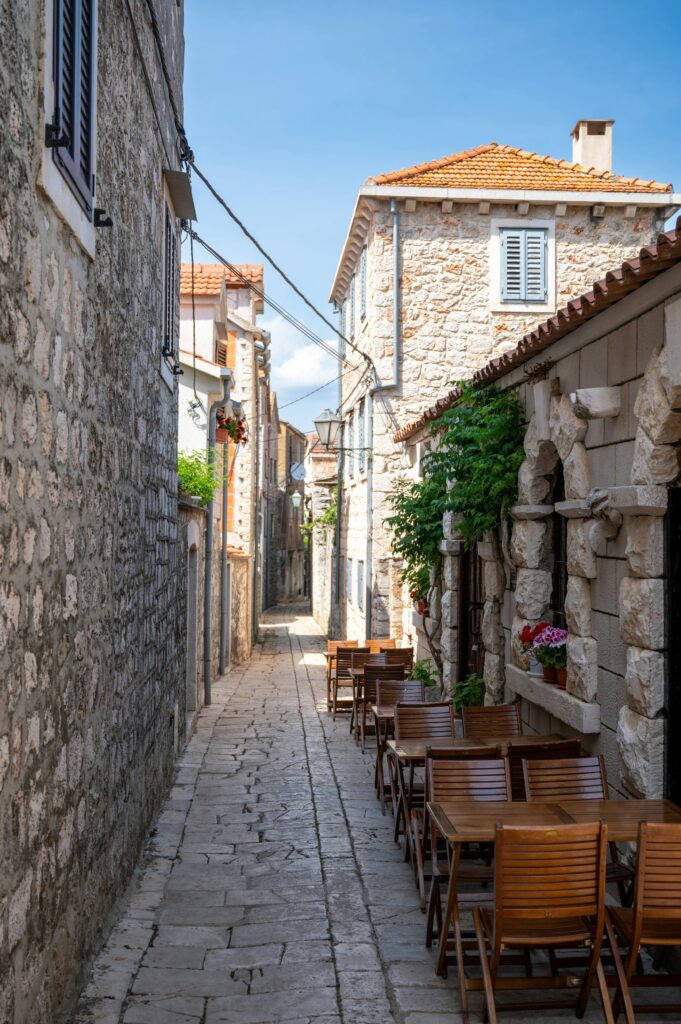
As Croatia’s tourism industry expanded rapidly over the past two decades, demand for restaurants along the coast exploded. That growth created opportunity, but also additional piles of pressure. Many family-run konobas used to serving local people only struggled with rising rents, staffing shortages, seasonal dependency and increasing operational costs. At the same time, tourist expectations shifted toward faster service, larger menus and highly commercialised dining experiences. As a result, some traditional taverns gradually adapted into more standardised tourist restaurants.
Others disappeared entirely.
authenticity – a double-edged sword
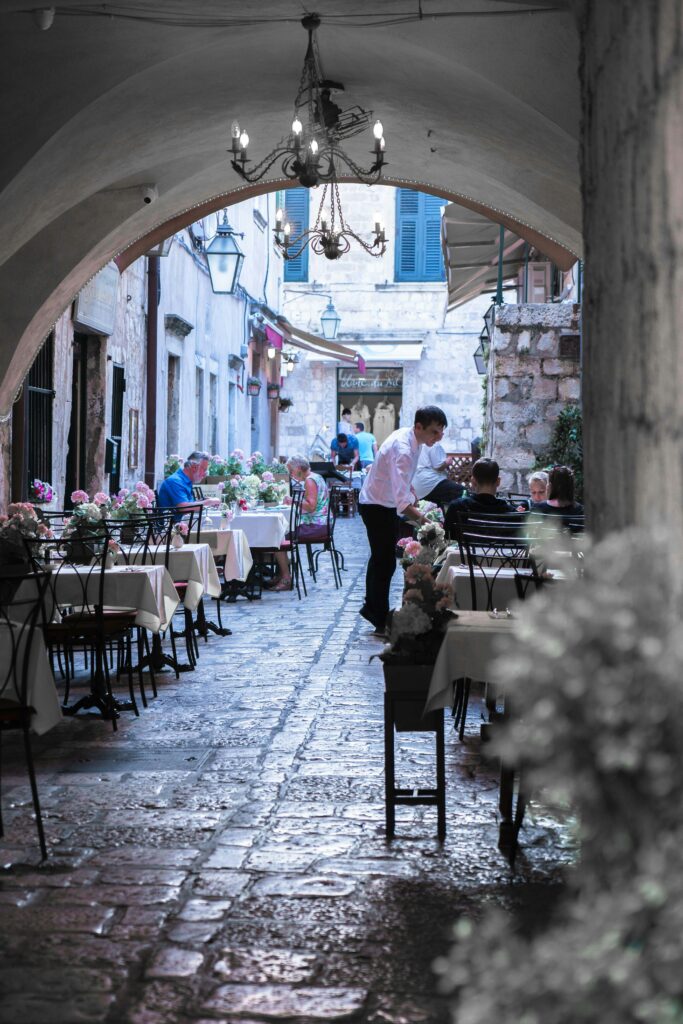
Ironically, the more Croatia champions its authenticity internationally, the harder genuine authenticity sometimes becomes to preserve. There are very valid concerns that some “traditional” restaurants now function primarily as tourism branding rather than true local dining culture. Menus become internationalised and seasonal local dishes sometimes totally disappear. The décor is designed around tourist expectations rather than community identity. For many local people, the distinction between a real konoba and a themed tourist restaurant is becoming increasingly obvious.
One major issue at play is staffing.
Traditional family-run hospitality models relied heavily on local labour and multi-generational involvement. However, younger generations are increasingly less willing to commit to physically demanding seasonal restaurant work with uncertain profitability. At the same time, Croatia’s wider labour shortage is forcing many restaurants to depend on imported workers, making it harder to maintain old and highly localised culinary traditions and service styles.
pricing pressures

Economic pressure also plays a role in the whole saga. Property values and rents along the Croatian Adriatic coast have risen sharply, especially in historic centres and island destinations. That makes it increasingly difficult for smaller family-run taverns to survive without adapting toward higher-volume or more tourist-oriented business models. In some destinations, locals increasingly complain that Croatia’s konobas are being replaced by generic dining concepts designed primarily for short-term tourist turnover in the age of modern tourism.
At the same time, many visitors still go and actively seek out real, traditional dining experiences. Food tourism has become one of Croatia’s strongest international attractions, and genuinely local restaurants often generate the strongest word-of-mouth reputation. This creates an interesting paradox: authenticity is commercially valuable, but maintaining it is becoming economically harder.
The debate around Croatia’s traditional and beloved konobas in the era of modern tourism is ultimately about more than restaurants. In reality, it clearly and distinctly reflects a broader question Croatia increasingly faces:
how can the country modernise and expand tourism without losing the local identity that made the Adriatic attractive to the whole world in the first place?
For now, many excellent traditional konobas still exist across Dalmatia, Istria and the islands. There is however plenty of growing awareness that preserving that culture may require conscious effort, not simply relying on tourism growth alone. Once the label of authenticity becomes fully commercialised, recreating what was lost becomes much harder, if not impossible.