May the 23rd, 2026 – Croatian restaurants are now rethinking the classic huge tourist menu as price controls loom and tourist habits change.
Dozens of pizzas, grilled dishes, seafood plates, pasta combinations, risottos, salads and desserts, all offered at once, often in multiple languages and designed to satisfy every possible tourist preference. It was that way for decades, but it seems that old model is beginning to change, as are the times in general.
Faced with rising costs, labour shortages and increasing operational pressure, many Croatian restaurants are quietly simplifying what they serve. It seems that the tide is turning and now fewer dishes may be becoming the smarter business strategy.
rising costs are altering the economic landscape
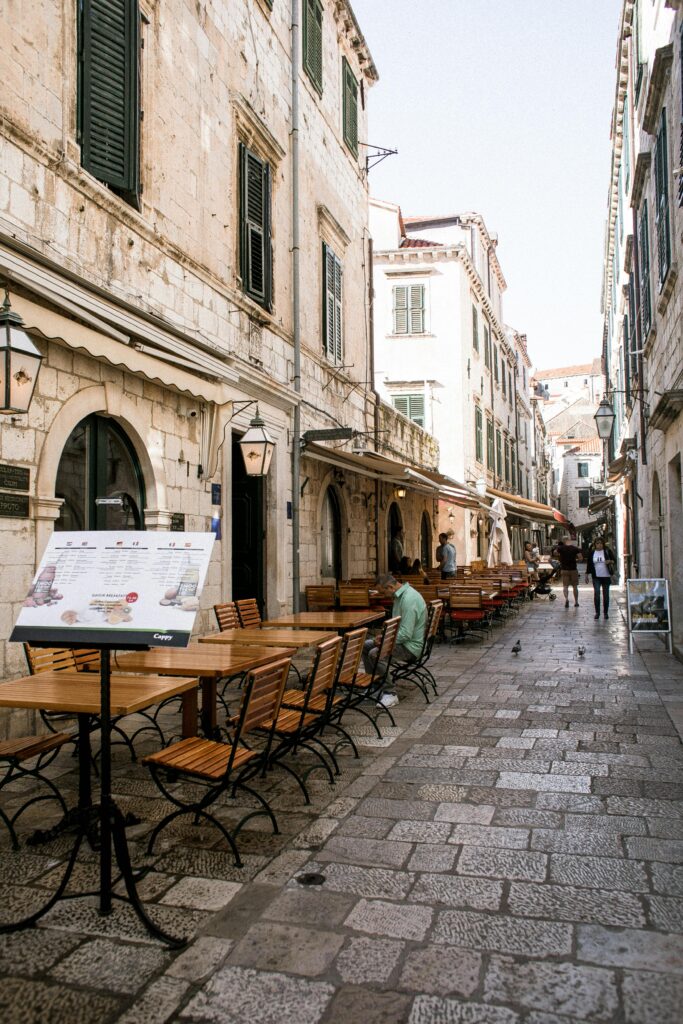
Restaurants across Croatia are dealing with major increases in operating expenses. Ingredient prices, electricity costs, rent and wages have all risen significantly in recent years, while tourism expectations continue growing. At the same time, finding enough seasonal staff has become one of the biggest challenges facing the hospitality sector. For a great businesses, maintaining extremely large menus is no longer economically efficient.
As a result of all of the above, not to mention the fact that Croatia being “too expensive” is doing the rounds in international media outlets, restaurants are reducing menu size in order to improve kitchen speed, consistency and profitability. Fewer dishes mean fewer ingredients, less waste and simpler logistics during peak summer service. This is especially important during the main tourist season when kitchens may serve hundreds of guests daily under intense time pressure. Restaurants are increasingly prioritising operational stability over offering enormous selection.
Historically, many Adriatic restaurants tried to appeal to every possible tourist profile at once. It was common to see menus combining seafood, burgers, steaks, Mexican dishes, pasta, Asian-inspired meals and traditional Croatian cuisine all in the same place. Now, however, there is growing movement toward more focused concepts.
Restaurants are now leaning more towards specialising in far fewer categories and attempting to build stronger identity rather than maximum variety.
quality over quantity
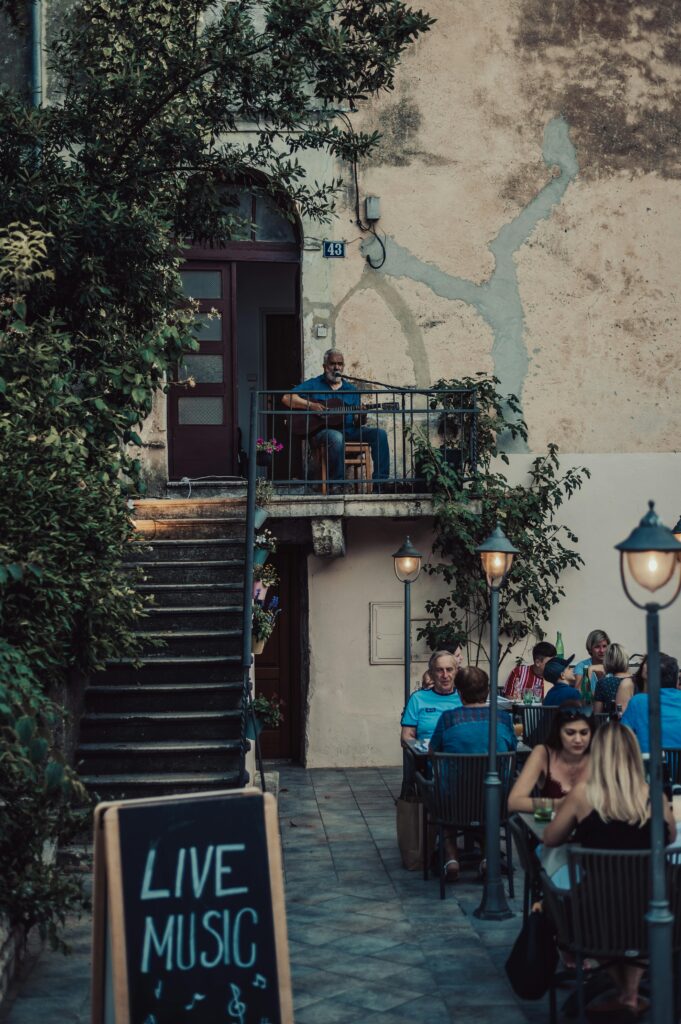
Another major factor is altering tourist expectations. Visitors now often seek out real authenticity, local ingredients and higher-quality experiences rather than huge generic menus aimed at mass tourism. Croatian gastronomy has developed significantly over the past decade, especially in Istria and parts of Dalmatia where local food identity became an important tourism advantage. Smaller menus often allow kitchens to focus more heavily on freshness and preparation quality.
The staffing crisis inside Croatia’s hospitality sector is one of the biggest reasons the trend is accelerating. Restaurants increasingly struggle to recruit enough experienced cooks, kitchen assistants and service staff during summer months. Managing extremely large menus with limited staff becomes operationally difficult, especially during peak tourism weeks. Simplified menus help reduce kitchen complexity and improve workflow.
is this change welcome? it depends who you ask…
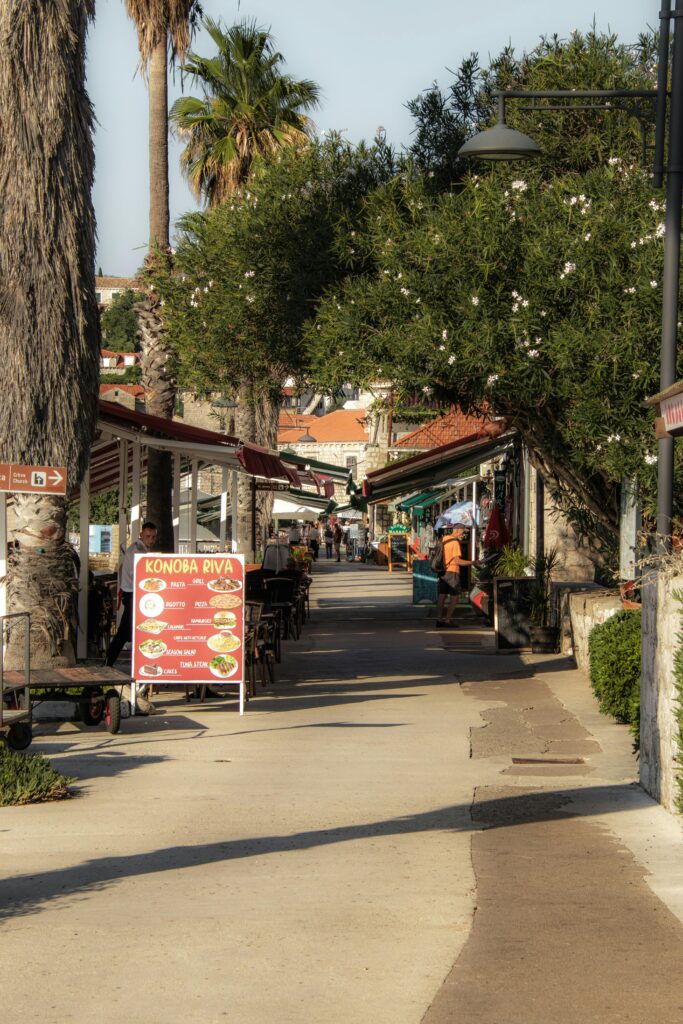
Not everyone welcomes the change. Many visitors remain accustomed to the traditional Adriatic tourism menu offering extensive choice and familiar international dishes. Restaurants therefore face a balancing act: remaining commercially accessible while also modernising operations and culinary identity. The transition is happening gradually rather than suddenly.
The broader trend reflects something larger happening across Croatian tourism. The country is slowly moving away from purely volume-based tourism models toward more specialised and experience-driven hospitality. Restaurants are part of that evolution. Rather than trying to serve everything to everyone, many businesses increasingly focus on efficiency, local identity and sustainable operation.
are croatian restaurants still serving the huge tourist menu doomed to attract less guests?
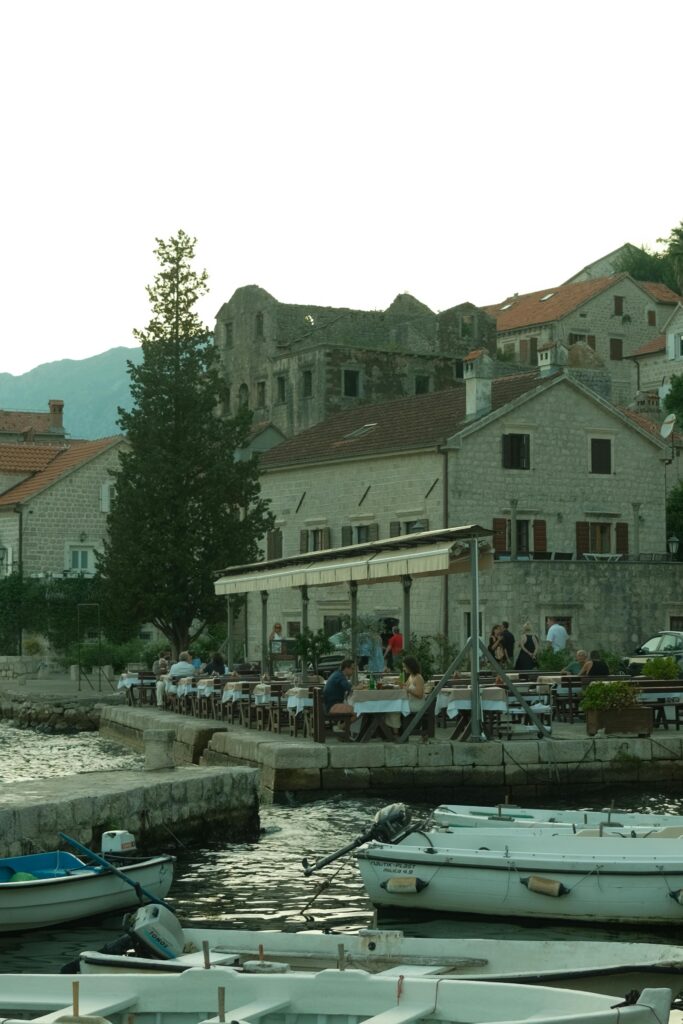
It’s unlikely. Massive multilingual menus still exist across the Adriatic and will likely remain common in many tourist-heavy areas. However, Croatian hospitality discussions increasingly suggest the direction of travel is changing. Smaller menus, more focused kitchens and stronger culinary identity are gradually becoming more attractive business models in a tourism economy under growing pressure.
For many Croatian restaurants, the future may no longer be about offering the most dishes on lengthy tourist menus intended to cater for everyone on the face of the planet. It may instead be about offering fewer, more local dishes but but doing them in a far better way.