May the 26th, 2026 – Croatia’s infamous summer parking prices are rising rapidly, adding to the list of inflated costs on the coast as summer draws near.
There’s a growing sense of frustration over rising parking costs in very many major coastal destinations, where hourly rates near beaches, old towns and tourism destinations continue climbing ahead of peak season. For both tourists and locals alike, finding affordable parking along the Adriatic is becoming increasingly difficult.
As millions of visitors arrive on the Croatian coast each year, parking demand in historic seaside towns rises dramatically. Many Adriatic destinations were never designed for modern tourism traffic volumes, especially inside old centres built centuries before cars existed. Narrow old streets, limited space and protected historic zones naturally restrict parking capacity. The result is intense seasonal competition for available spots.
prime coastal zones see dramatic increases
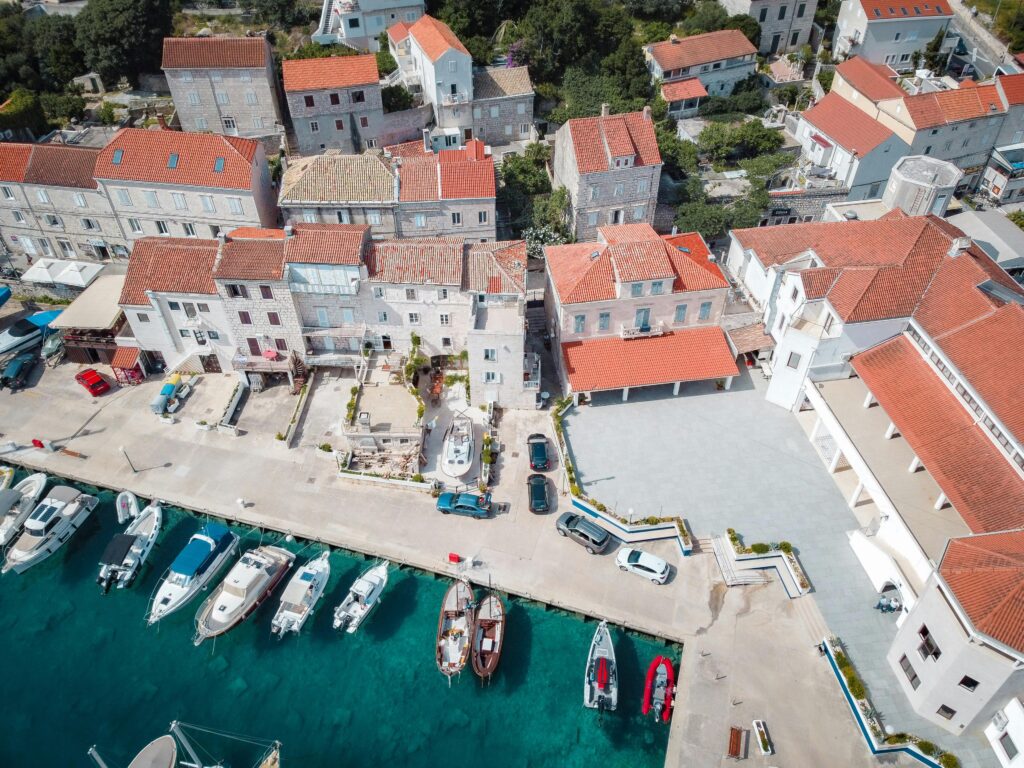
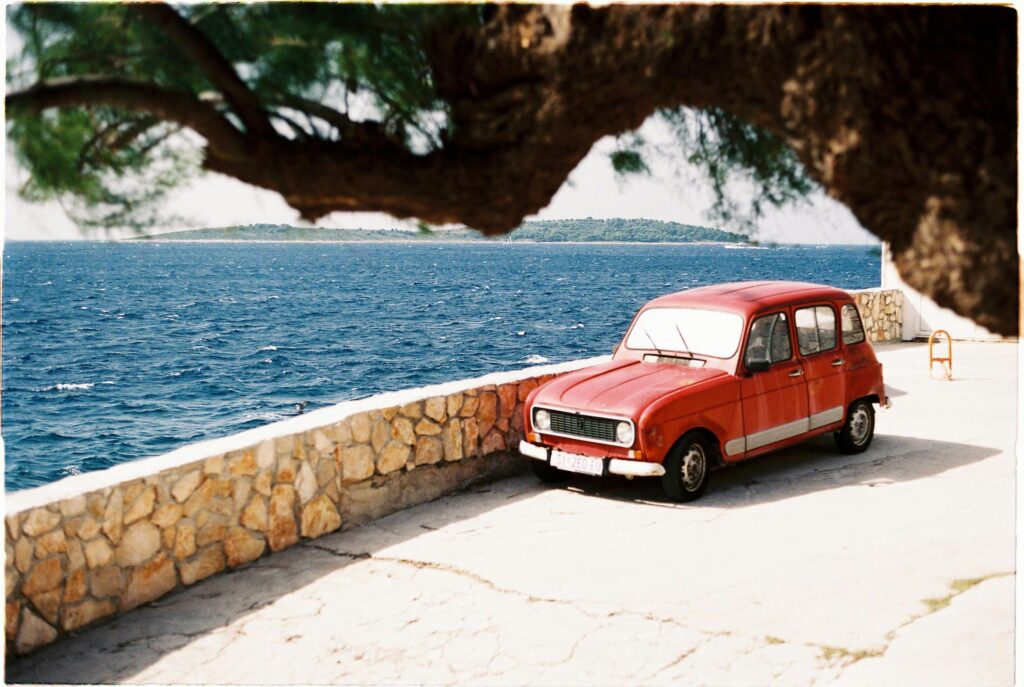
Unsurprisingly, there are higher parking fees in tourism-heavy areas, particularly near beaches, marinas and historic centres. In some destinations, hourly prices during peak periods now rival those in much larger European cities. Daily parking costs can quickly become significant for tourists staying in accommodation without private parking access. For visitors travelling by car, parking expenses are becoming an increasingly noticeable part of holiday budgets.
The strongest complaints typically emerge from Croatia’s busiest tourism centres. Down in Dubrovnik, parking around the historic Old Town has long been limited and expensive due to extreme tourism demand and geographic constraints. Split faces similar challenges during summer, particularly around the waterfront and central urban areas where traffic density rises sharply. For many drivers, parking itself becomes a daily logistical challenge.
for locals, it is a semi-permanent problem
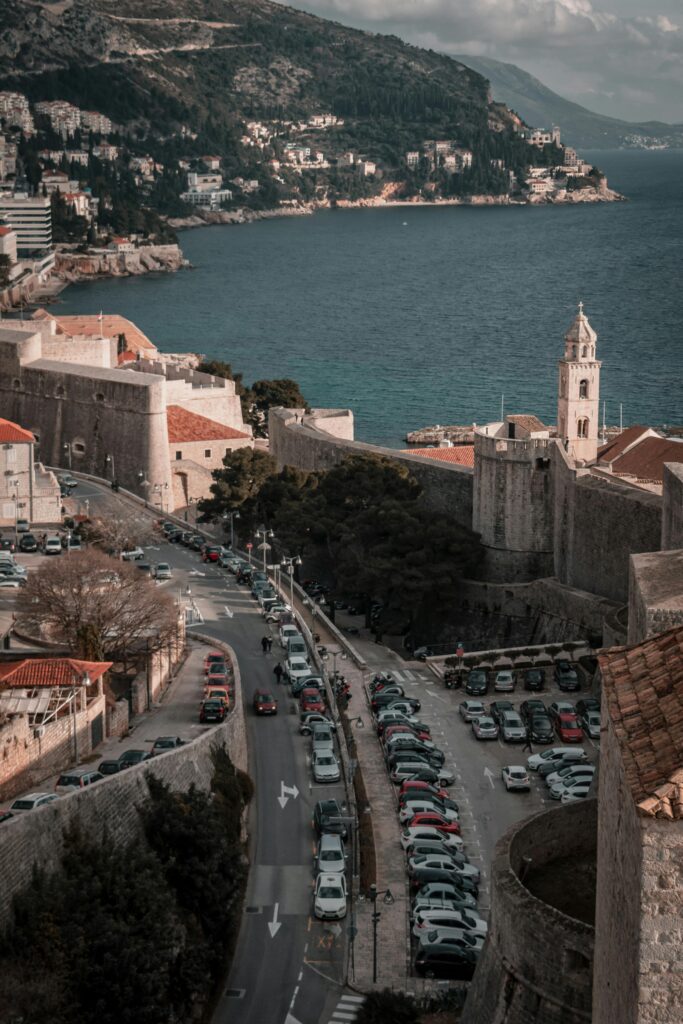
Seasonally rising parking costs affect residents as well as tourists. Many locals complain that summer tourism transforms ordinary daily movement into a complicated and expensive process. Residents in coastal cities often struggle with overcrowded parking zones, increased traffic and seasonal restrictions linked to tourism management. Some avoid their own city centres entirely during peak summer periods.
One reason parking pressure is so intense is Croatia’s continued dependence on car-based tourism. Large numbers of visitors arrive from Central Europe by road, particularly from Germany, Austria, Slovenia and neighbouring countries. Unlike destinations heavily dependent on air travel alone, Croatia experiences enormous seasonal vehicle influxes during summer months. This creates infrastructure stress that smaller coastal towns often struggle to absorb.
Local governments are caught between competing pressures. Higher parking prices generate important municipal revenue and help regulate traffic flow in overcrowded areas. At the same time, aggressive pricing risks frustrating tourists and residents alike. Some cities are experimenting with expanded parking zones, shuttle systems and traffic restrictions, but demand often grows faster than available solutions.
The parking debate also reflects broader conversations about sustainable tourism and mobility on the Adriatic. Croatian urban planners increasingly discuss reducing vehicle pressure in historic coastal centres through improved public transport, pedestrianisation and alternative mobility systems. However, changing long-established tourism travel habits remains difficult.
parking now shapes the wider tourist experience
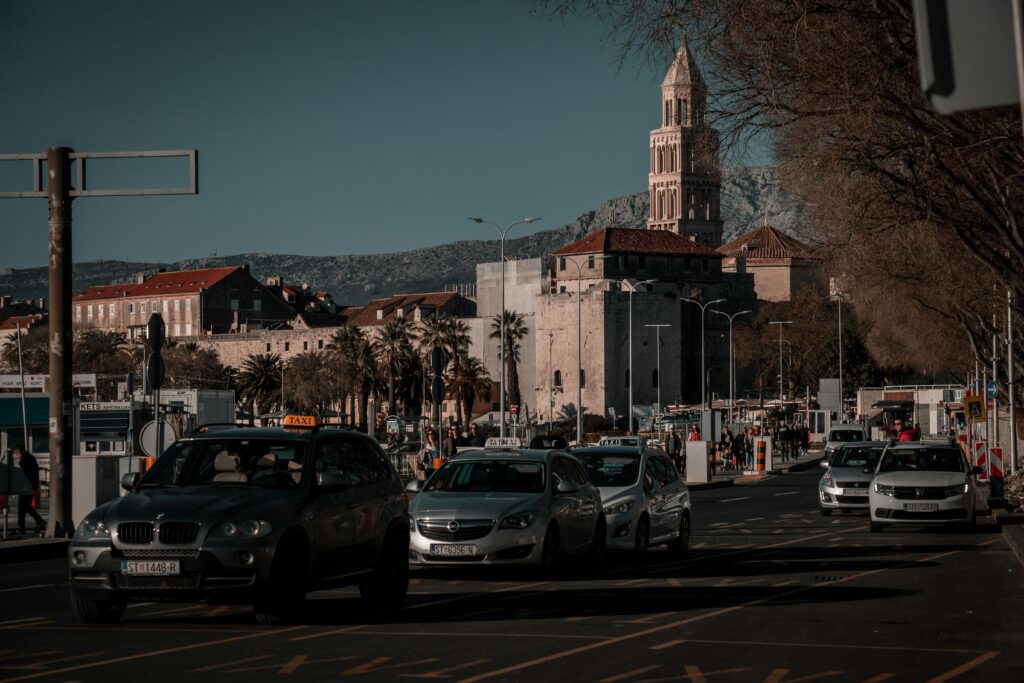
For many travellers, parking is no longer a minor inconvenience. It increasingly shapes how people experience Croatian destinations: where they stay, when they travel and whether they return at all in future. Visitors frustrated by traffic and parking logistics may choose alternative destinations or travel periods in the future.
Ultimately, the parking issue exists because Croatia remains enormously attractive as a tourism destination. The Adriatic coast continues drawing huge visitor numbers every summer, especially among travellers seeking flexibility and independence through car travel. That popularity comes with visible infrastructure strain. As another peak season approaches, parking may once again become one of the defining frustrations of the entire Croatian summer experience