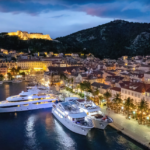
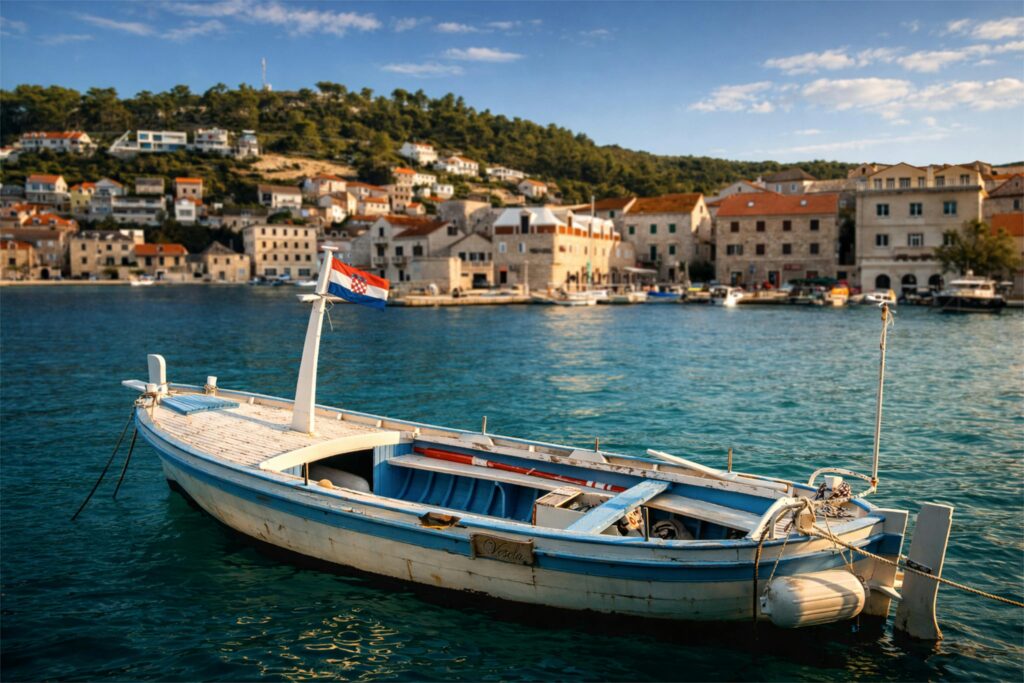
May the 26th, 2026 – Tourists are beginning to explore Croatia’s coast by boat more than they ever did before, and while this is overwhelmingly positive economically, it does come with challenges.
Now, however, a growing number of visitors are choosing to experience the Adriatic differently, and that’s from the sea itself. There has been a lot of reporting on a major rise in small private boat rentals, self-drive vessels and day charters as tourists look for more flexible and independent ways to explore the coast. Across many Adriatic destinations, the boat rental boom is quietly reshaping the entire tourism experience.
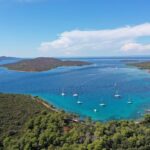
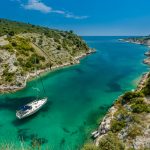
One of the biggest reasons behind the trend is simple – people want space and are becoming more and more intolerant of heavy crowding. As beaches and historic coastal towns become increasingly crowded during peak summer months, many tourists are looking for alternatives that offer privacy, flexibility and escape from large crowds. Small boat rentals allow visitors to access hidden coves, quieter swimming spots and smaller islands that are difficult to reach by car or on foot.
croatia’s geography lends itself to nautical tourism

For many travellers, the Adriatic now feels best experienced away from the shore.
Croatia’s coastline is particularly suited to small boat tourism because of its geography. With hundreds of islands, sheltered bays and short distances between coastal points, even relatively inexperienced visitors can comfortably navigate certain Adriatic routes. As a result, self-drive boats, which are often available without advanced licences for smaller engines, are becoming one of the fastest-growing tourism segments in many coastal destinations.
The visual appeal of Adriatic boat trips also plays a huge role. Videos of turquoise coves, isolated beaches and island hopping regularly dominate tourism content on Instagram, TikTok and YouTube. Croatian tourism businesses increasingly market the “private boat day” as part of the modern Adriatic lifestyle experience. For younger travellers especially, boat access is becoming almost as important as accommodation itself.
The trend is also affecting how tourists interact with Croatia’s islands. Instead of staying in one destination for an entire holiday, many visitors now move dynamically between islands, beaches and coastal towns over the course of a single day. This creates more flexible tourism patterns and spreads visitor movement across wider parts of the Adriatic. Smaller islands and lesser-known bays increasingly benefit from this mobility.
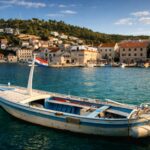
Boat rental companies, charter operators and maritime tourism businesses are expanding quickly in response to demand. In many coastal towns, small harbour areas are increasingly filled with rental vessels during summer. At the same time, businesses offering skipper services, fuel supply and organised boat excursions are seeing growing interest from international tourists. For parts of the Adriatic economy, maritime tourism is becoming just as important as traditional beach tourism.
the trend also creates safety concerns
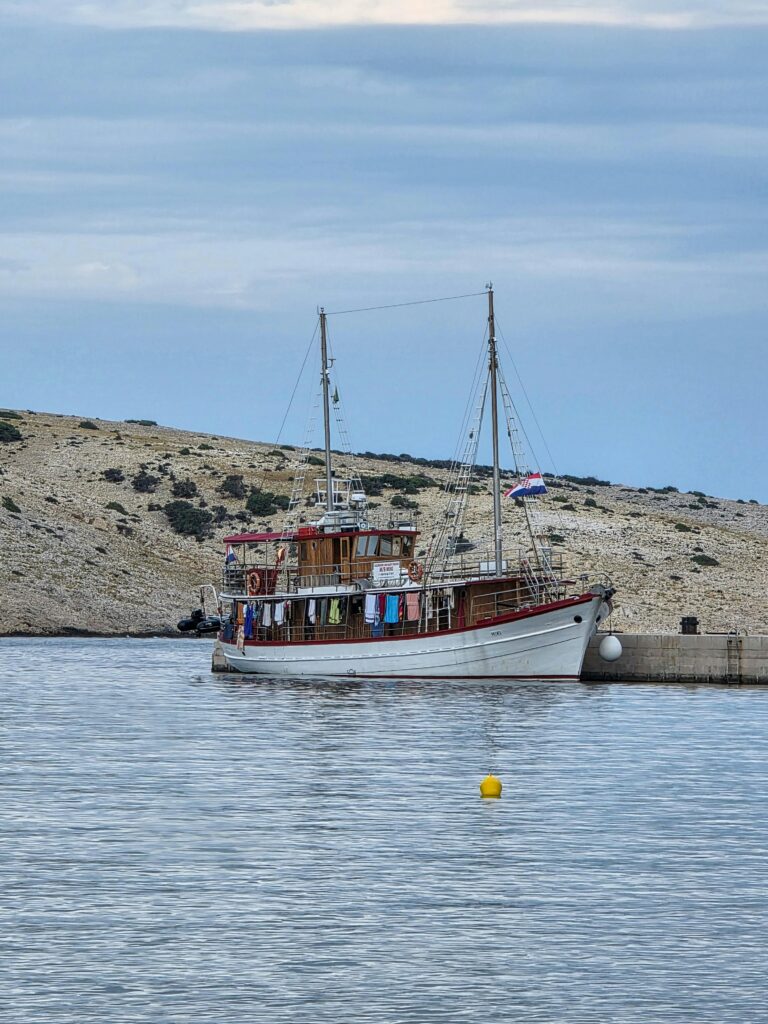
However, the rapid expansion also creates challenges. There have been frequent warnings about inexperienced operators, overcrowded sea routes and unsafe boating behaviour during peak season. The combination of high temperatures, alcohol consumption and inexperienced tourists can create dangerous conditions on busy summer waterways. As boat traffic grows, pressure on maritime regulation and enforcement is increasing as well.
The boom in tourists seeing Croatia’s coast by boat also raises environmental concerns. Large numbers of small vessels affect marine ecosystems, fuel pollution and sensitive coastal environments, particularly around protected coves and island areas. Questions about sustainable maritime tourism are becoming more prominent as Adriatic traffic density continues rising.
The growth of boat-based tourism reflects a broader shift happening across Croatia’s tourism industry. Visitors increasingly want personalised experiences rather than fixed package holidays or crowded resort routines. Flexibility, movement and access to hidden locations are becoming more valuable than traditional tourism formulas. Few countries are naturally better positioned for that trend than Croatia.
For generations, the Croatian coast was admired primarily from land. Now, more tourists are seeing the Adriatic differently, in the sense that it isn’t only something to look at from the shore, but as something to move through.