May the 25th, 2026 – One topic is once again dominating everyday conversations, social media posts and media reporting: the rising cost of Croatian grocery prices.
Supermarkets, discount chains and basic household items are increasingly at the centre of public debate, as consumers compare today’s prices with previous years and question how far the cost of living is still rising. While inflation has eased compared to its peak, the perception of expensive everyday shopping remains firmly in place.
the growing price of the consumer basket
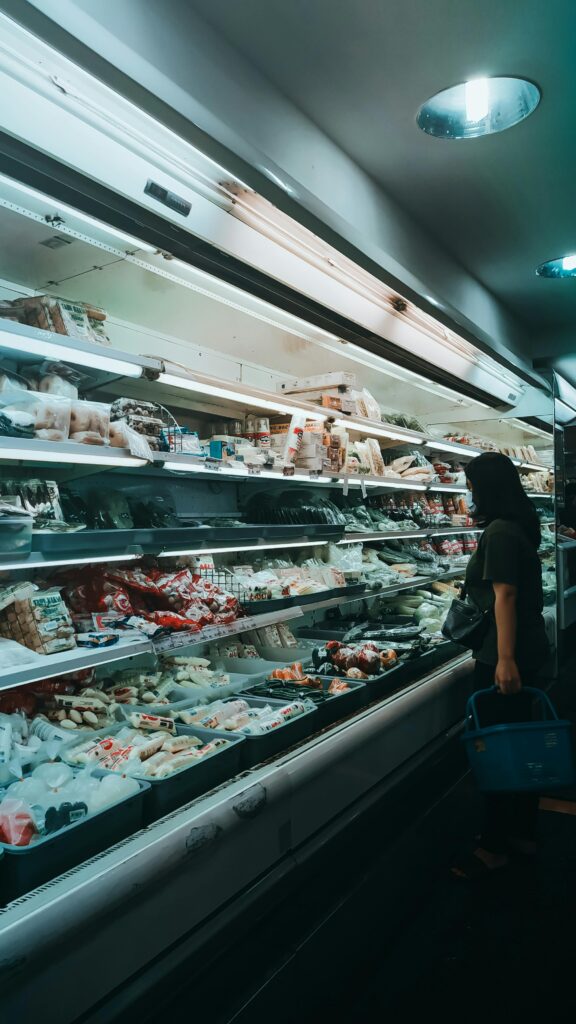
One of the most common reference points in Croatian discussions is the consumer basket, a basic set of essential goods including bread, milk, eggs, meat, fruit and cleaning products. Many households are paying closer attention to how much this basket costs each week, and even small price increases tend to generate strong reactions. Consumers have become extremely sensitive to changes in grocery pricing, especially for essentials.
Major retail chains operating in Croatia are facing increasing scrutiny from both consumers and policymakers. Discount retailers and large supermarket groups remain central to daily life, but their pricing strategies are now more closely monitored in public debate than before. Promotions, loyalty discounts and weekly offers are widely followed, as shoppers try to manage rising household costs. At the same time, retailers are operating in a challenging environment shaped by higher energy costs, logistics expenses and wage increases.
inflation might be calming, but perceptions aren’t
Even as official inflation rates have somewhat calmed compared to previous years, public perception of price levels has not fully adjusted. There’s an increasing gap between macroeconomic indicators and everyday experience. For many consumers, the feeling of “everything is more expensive” persists, even when price growth has stabilised in certain categories. This perception gap continues to drive public frustration.
Certain products consistently dominate price discussions. Bread, milk, coffee in cafes and basic meat products are often used as benchmarks for how expensive everyday life feels. Because these items are purchased frequently, even small changes are immediately noticeable to consumers. As a result, they often become symbolic indicators of wider economic sentiment.
Croatian authorities have periodically introduced or discussed measures aimed at increasing price transparency in supermarkets and protecting consumers from unfair practices. These include monitoring price movements, encouraging clearer labelling and in some cases introducing comparison tools for essential goods. However, the effectiveness of such measures is often debated in public discourse.
In coastal regions, seasonal tourism can add another layer to pricing discussions. During peak summer months, demand fluctuations can influence local pricing strategies, particularly in areas heavily dependent on visitor spending. This creates a perception among some residents that everyday shopping becomes more expensive in tourist-heavy zones during the summer.
In response to rising costs, many Croatian households are adjusting behaviour. Shopping across multiple stores, focusing on discount chains, buying in bulk and tracking weekly promotions have become more common strategies. For some consumers, grocery shopping has become more planned and price-sensitive than in previous years.
the cost of living debate is only hotting up
The supermarket discussion is part of a wider cost-of-living conversation in Croatia that includes housing, energy, transport and tourism-related pricing. As these pressures overlap, the sense of financial strain remains a recurring theme in public discussion. Even when specific prices stabilise, the broader feeling of expense continues to shape public sentiment.
Ultimately, the reason grocery prices dominate Croatian debate is simple: they’re experienced directly, repeatedly and immediately. Unlike larger economic indicators, supermarket receipts reflect household reality in real time. As Croatia continues adjusting to post-inflation conditions, the weekly shopping basket remains one of the clearest measures of how expensive everyday life feels, regardless of what the broader numbers say.