
May the 25th, 2026 – As Croatia heads toward another busy tourist season, one familiar conflict is already beginning to reappear: the old Croatian summer taxi battle.
It’s the dawn of the annual tensions between traditional taxi drivers, app-based transport services and seasonal operators in major destinations such as Split, Dubrovnik and Zagreb.
As tourist arrivals continue growing, disputes over pricing, airport pickups and traffic congestion are once again becoming part of Croatia’s summer reality
Each and every summer, Croatia experiences an enormous surge in passenger movement. Airports, ferry ports, bus terminals and historic city centres suddenly handle far more people than during the rest of the year. This creates major opportunities for transport providers, as well as fierce competition. Taxis and ride-hailing services become especially important in destinations where visitors rely heavily on quick transfers between airports, accommodation, beaches and nightlife areas.
the battle between traditional taxi services and ride hailing apps

The relationship between traditional taxi operators and app-based services such as Uber and Bolt has remained tense in Croatia for years. Many traditional drivers argue that app-based platforms intensified price competition and disrupted older business models. Meanwhile, app users often prefer transparent pricing, easier booking and digital payment systems. During summer, when demand spikes dramatically, these tensions become far more visible. With headlines always circulating about tourists being appallingly ripped off by local taxi services, it’s hardly surprising that people are using clear, transparent and fairly priced apps to book rides.
airport pickups are the most problematic part of the whole saga
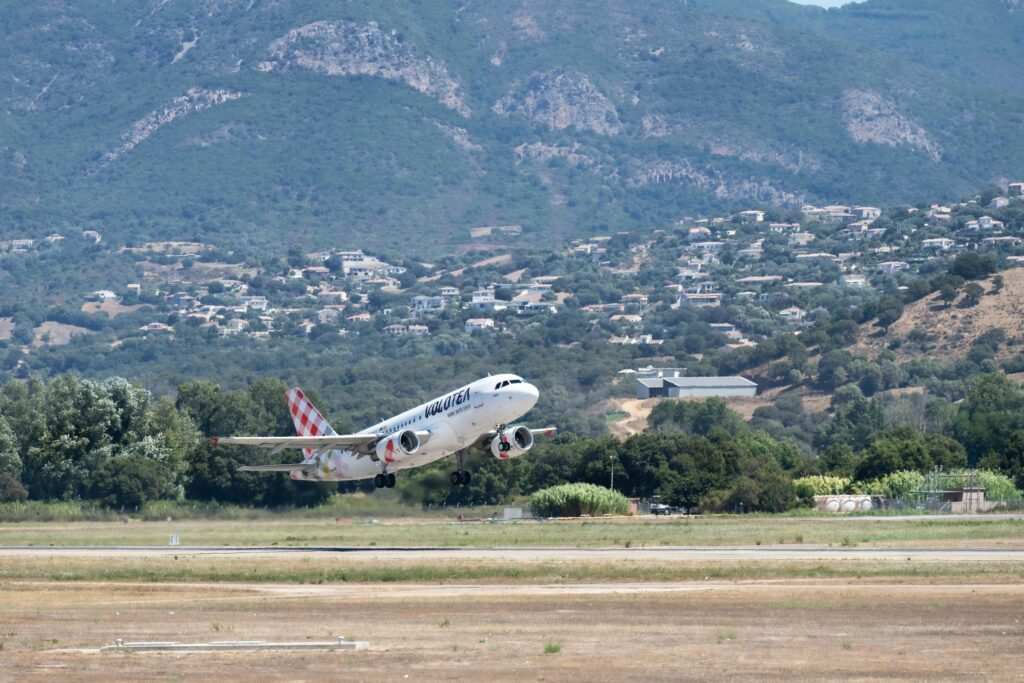
Airports and the lines of predatory taxis waiting outside like lions for stunned antelope are always highlighted as major areas of conflict. Control over high-value tourist transfers, especially from airports in Split and Dubrovnik, is economically significant during the height of the summer season. Arguments over access zones, waiting areas and pricing complaints regularly become part of summer transport reporting. For tourists arriving after flights, transport confusion can sometimes become their first experience of Croatia.
The broader issue is that many Croatian coastal cities were never designed for modern tourism traffic volumes. Historic centres, narrow roads and seasonal population explosions create difficult driving conditions even before taxi competition enters the picture. During peak summer weeks, congestion around airports, ports and city centres can become severe. This increases frustration for drivers, residents and tourists alike.
seasonal taxi drivers flood the summer market
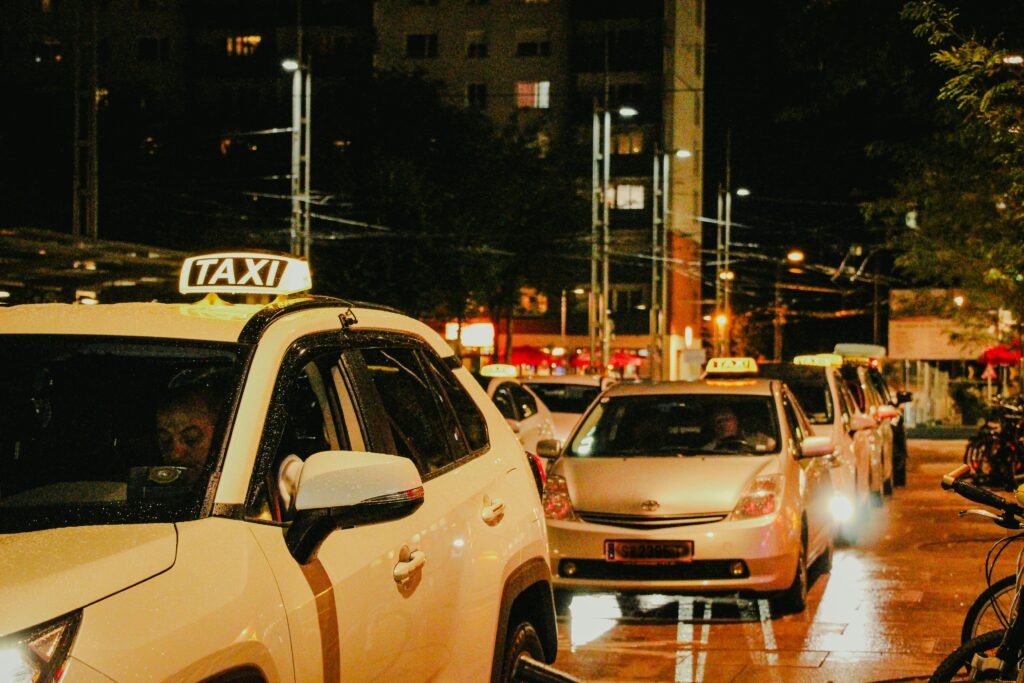
Another factor is the rapid seasonal expansion of drivers during summer months. Croatia’s tourism economy creates temporary earning opportunities that attract many seasonal transport workers, especially in coastal destinations. This dramatically increases competition while also creating regulatory and organisational challenges for local authorities. Questions about licensing, standards and market control frequently reappear each season.
International visitors are also changing the transport landscape. Many tourists now instinctively open apps like Uber or Bolt rather than searching for traditional taxi stands, especially younger travellers accustomed to digital transport systems elsewhere in Europe. This behavioural shift has permanently altered how urban transport functions in Croatian tourism centres. It is also spotlighting those seeking to rip visitors off, as has unfortunately become commonplace in busy areas.
For residents, the summer taxi battle is not only about tourism. Heavy seasonal traffic affects daily movement inside cities, while rising transport demand can also increase local prices and waiting times. Some locals increasingly avoid driving altogether during the busiest periods because congestion becomes too unpredictable.
The recurring Croatian summer taxi battle reflects something larger, and that’s that the country’s intense tourism growth is placing increasing strain on urban infrastructure systems. Roads, parking, airports and transport services are all being pushed harder each year as visitor numbers continue rising. Managing that pressure is becoming one of the country’s biggest seasonal challenges.
a fight set to continue all summer long

For now, the recurring Croatian summer taxi battle shows no signs of disappearing. As long as tourism keeps growing, competition over passenger movement, especially in high-value coastal destinations, will remain intense. Once the real peak season fully begins, the combination of traffic, tourism and transport economics will once again turn Croatian city streets into one of the Adriatic’s busiest battlegrounds of summer.