
August the 19th, 2026 – Even if you don’t plan to open a business, move, or do anything concrete, as a member of the Croatian diaspora, gaining citizenship could mean the gateway to EU education and career opportunities for generations to come.
For a growing number of American parents who happen to have Croatian ancestry, the decision to pursue Croatian citizenship is no longer mainly about their own travel plans or personal connection to the country. It’s about their children…
eu citizenship is about so much more than getting through the border more quickly…
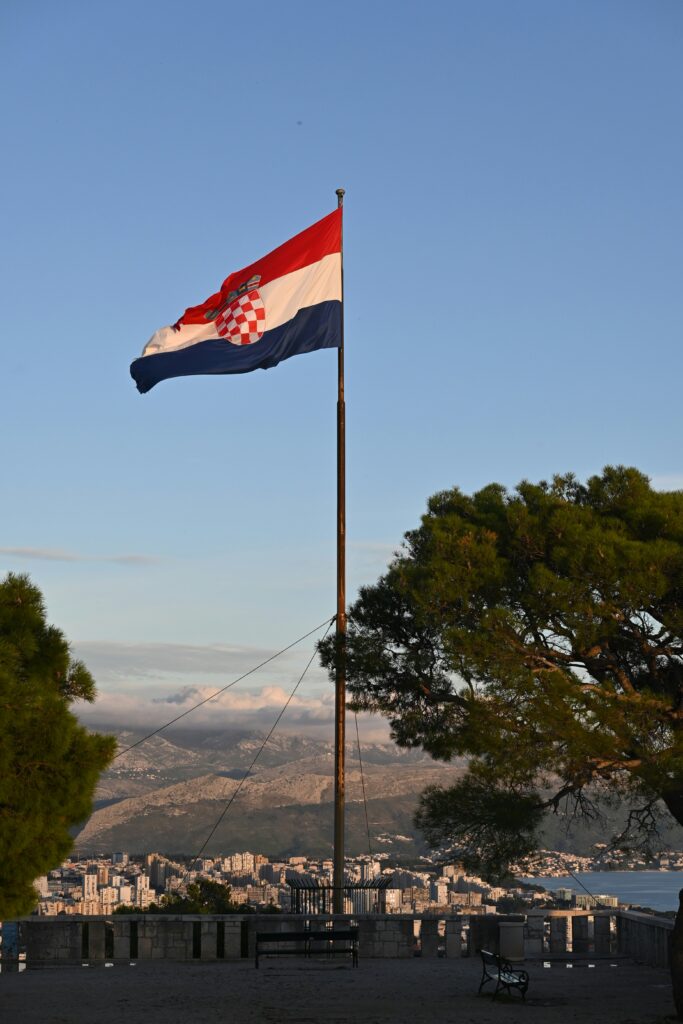
Across the United States, parents are quietly assembling birth certificates and family records. Maybe they were fuelled by the sense of sweeping national pride the World Cup brought, or maybe the fact that that burdensome double taxation treaty between the USA and Croatia is on its way to being scrapped. Maybe it’s none of that. It could be a desire to reconnect with the roots of their ancestors as a nod to all they went through for better lives across the Atlantic Ocean.
Whatever the reason behind the move, the end goal of such a move is relatively straightforward – to secure Croatian citizenship. Even if there are zero plans to move to Croatia or anywhere else in the EU, start up a business, move a company to the EU or retire, holding Croatian (and thus EU) citizenship means that their sons and daughters can also do the same, automatically gaining full EU rights. That of course includes unfettered access to higher education and unrestricted work opportunities across 27 different countries.
This isn’t just another theoretical benefit. Once a parent becomes a Croatian citizen through descent, minor children can typically acquire the same citizenship with far less complexity involved. That single step creates a permanent legal pathway that remains open for the next generation, regardless of whether the family ever relocates.
a european education with zero barriers

One of the clearest practical advantages is university access. EU citizens generally pay the same tuition rates as local students at public universities throughout most of the European Union. In many countries those fees are substantially lower than the costs American students face at home, and in some cases they approach zero for EU nationals. Holding a Croatian passport also removes the need for student visas or complex sponsorship arrangements when applying to programmes in Germany, the Netherlands, Austria, Ireland, or other member states. Students can move freely for short courses, semester exchanges, or full degree programmes. The Erasmus network and similar mobility schemes become far more accessible when the student already holds EU citizenship rather than relying on temporary permissions.
For families watching American college costs rise astronomically year after year, this represents a concrete parallel option. It doesn’t require abandoning American universities. It simply expands the menu of realistic choices available to a teenager who holds both an American and a Croatian passport. It is also far easier on the pockets of parents who may only just be making ends meet.
career mobility following graduation – eu wide

The advantages continue after university is over and those famous photos are taken with diplomas in hand. An EU citizen can accept a job offer in any member state without needing a work permit or employer sponsorship. That flexibility matters in competitive fields where companies increasingly recruit across borders. Young dual citizens can take internships in Zagreb or just across the border in Ljubljana, accept graduate roles in Berlin or Amsterdam, or return home to the United States with the knowledge that EU opportunities remain permanently available to them whenever they get the itch to experience them.
Parents who secure the status of Croatian citizens while their children are still minors effectively hand them a form of professional insurance that is extremely difficult to obtain later in life. Rules can (and do) change. You only need to ask the Italian diaspora about the hurdles they now face in what was once an easy ride in getting Italian citizenship. Documentation becomes harder to locate and do anything with as older relatives pass away and time marches on. Completing the process now removes those future variables entirely and ensures flexibility that can hardly be matched in any other manner.
multi-generational safety

Many American parents with Croatian heritage say they have no intention of moving to Europe themselves. Nor do they need to. That’s totally irrelevant to the value of having Croatian citizenship for the next generation. The rights exist whether or not anyone relocates anywhere else. A family can remain fully based in the United States while still giving their children the legal ability to study, work, or live anywhere in the EU if they later choose to do so.
The same logic applies to grandchildren. Citizenship acquired today can, at least under current rules, be transmitted further down the line, creating a multi-generational safety net that requires just one single successful application at the starting point.
timing matters…

The administrative process for Croatian citizenship by descent is (in)famously document-heavy. Birth, marriage, and death records must be gathered, apostilled, and translated… The list goes on. That goes without even mentioning that much older records from the former Yugoslavia or earlier periods can take time to locate and deal with administratively. Consular and ministry processing times currently range from several months to well over a year depending on the complexity of the file.
Parents who begin while their own parents or grandparents are still able to help locate family documents often find the process smoother. Waiting until a child is already applying to universities can leave too little time for the citizenship to be finalised. For American families with verifiable Croatian ancestry, the window remains totally open. There is (at least for now) still no generational cutoff for eligible descendants in most descent-based cases, and dual citizenship with the United States is entirely permitted. The practical question is simply whether the family wants those EU education and mobility rights locked in for the next generation while the paperwork is still manageable.
The decision is less about returning to Croatia, less about business and investments, and more about giving children a permanent set of options that most of their American peers will never have. In an era of rising education costs and increasingly mobile careers, that quiet inheritance is proving more valuable than many families initially expected.
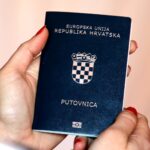
how croatianbydescent.com can help you get your hands on that trusty little blue passport

Croatian by Descent helps the diaspora to take that first step into the (sometimes choppy) waters of gaining Croatian citizenship. It acts as a complete guide to everything you might need to keep in mind when applying or just seeking more information. For total beginners with little to no knowledge of how administrative processes work in Croatia, this can be an invaluable source of guidance throughout the entire process.
Booking a free consultation with Croatian by Descent can set you on the path to securing Croatian and EU citizenship for yourself, thus making travelling to Croatia and Schengen for holidays easy and stress-free. It can also be a priceless gift to your children and grandchildren should they decide to take the leap (even temporarily) back to the country your ancestors left long ago, to attend higher education or to work, opening up a world of incredible opportunities that aren’t on the table for everyone.
Subscribe to our newsletter
the fields marked with * are requiredRelated posts:
 As Croatian Passport Power Climbs, So Does Diaspora Interest in Obtaining One
 Croatia–US Economic Relations: Tax Changes Open Doors for Diaspora Business
 New Croatian Residence Programme Simplifies Citizenship by Descent for Diaspora
 From Family Stories to Croatian Passports: How Malkovich Inspires the Croatian Diaspora