May the 25th, 2026 – Night trains are making a comeback across Europe, and with railway infrastructure being updated, it could provide a golden tourism opportunity for Croatia.
Night trains were once largely viewed as outdated relics of pre-budget airline Europe. They’re now returning to public discussion as travellers search for slower, more sustainable and more comfortable ways to move across the continent. Croatia is now increasingly part of that conversation.
europe rediscovers overnight trains

For years, night trains declined across much of Europe due to the rise of low-cost airlines and high-speed daytime rail. In more recent years, attitudes have begun shifting. Environmental concerns, airport fatigue, rising aviation costs and renewed interest in slower travel have all helped revive demand for overnight train routes between major European cities. Countries such as Austria, Germany and France are increasingly investing in sleeper connections again, while European rail operators continue expanding international cooperation.
will croatia be too late to catch this proverbial train?
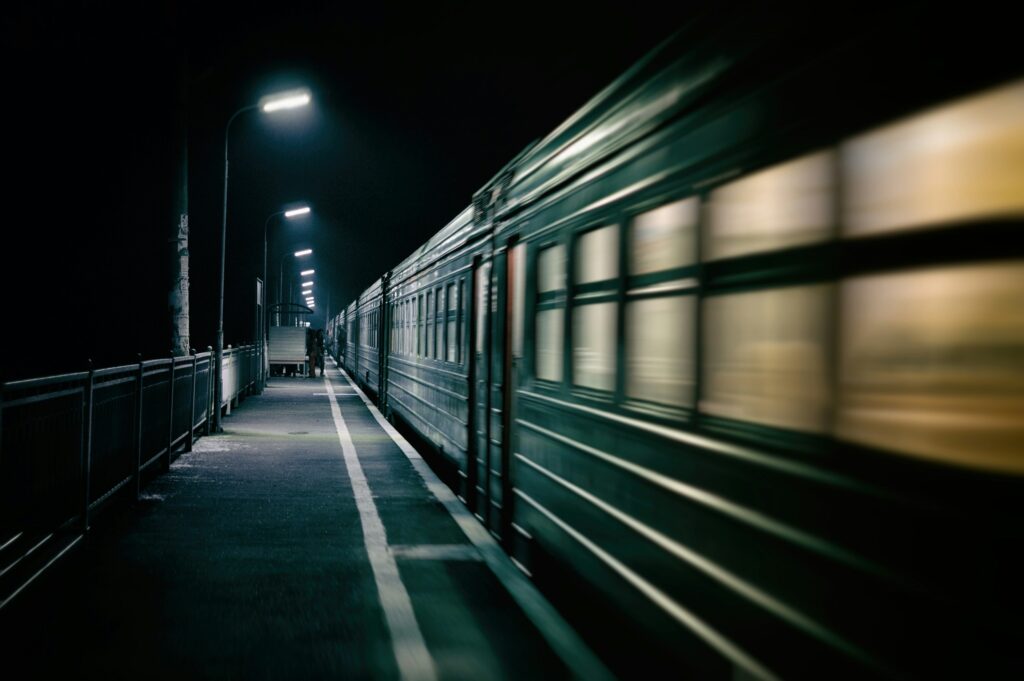
Croatia’s geography makes it especially interesting for overnight rail development. The country sits relatively close to major Central European markets such as Austria, Germany, Hungary and Slovenia — all regions with strong historical rail connections to the Adriatic. For decades, overnight summer trains carried tourists toward the Croatian coast before air travel became dominant. Now, discussions are emerging about whether some of those patterns could return in modern form.
One reason the idea has momentum is simple: people still want to reach the Adriatic, and in their droves. Croatia continues attracting millions of visitors from across Europe every summer, especially from countries connected by relatively manageable rail distances. An overnight journey that allows travellers to sleep while moving toward the sea fits naturally into the growing “slow travel” movement now gaining popularity across Europe. For many travellers, the journey itself is becoming part of the holiday experience again.
Climate concerns are also changing how tourism transport is discussed. Rail travel produces significantly lower emissions than aviation on many European routes, making overnight trains attractive within wider EU sustainability discussions. As pressure grows for greener tourism models, countries with strong rail potential may increasingly benefit. Croatia’s tourism industry is beginning to pay closer attention to these shifts.
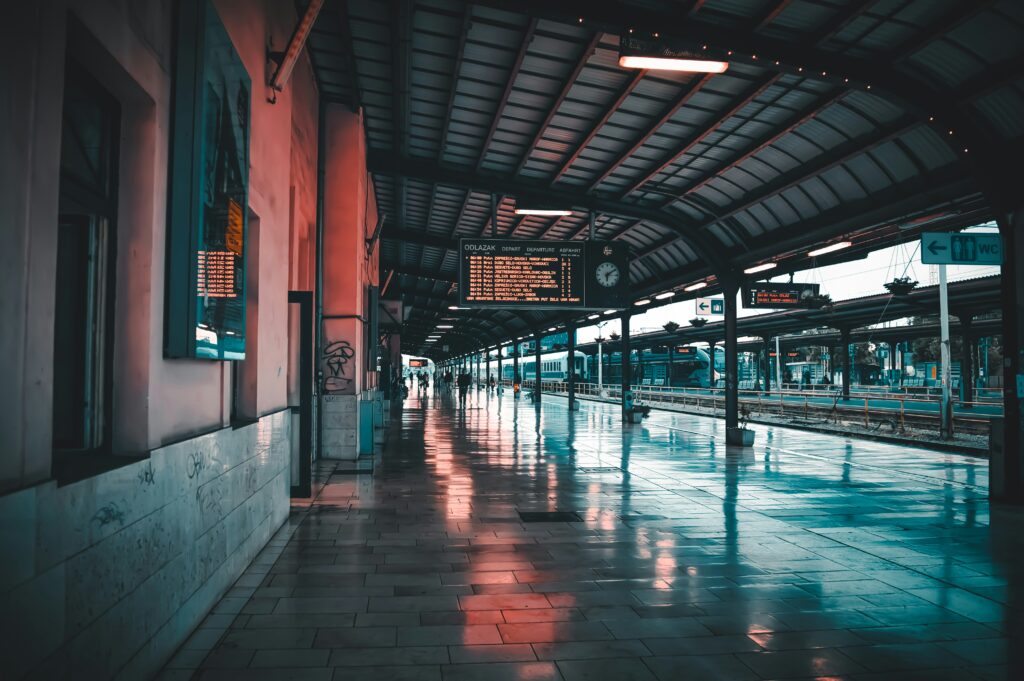
Despite growing interest, major obstacles remain. Croatia’s massively outdated and slow railway infrastructure still lags behind parts of Western and Central Europe, especially regarding speed, modernisation and international integration. While road infrastructure developed rapidly over the past two decades, rail investment moved more slowly. This means that for night train tourism to expand significantly, infrastructure improvements would likely need to accelerate.
Importantly, younger European travellers increasingly value convenience differently than previous generations. For some, avoiding airports, baggage restrictions and long security procedures makes rail travel attractive even when journeys take longer. Comfortable sleeper cabins, scenic routes and city-centre arrivals create experiences airlines cannot easily replicate. This changing mentality could help overnight rail regain relevance.
Few destinations fit romantic rail imagery better than the Adriatic. Historic coastal towns, Mediterranean landscapes and the emotional appeal of arriving by train near the sea align strongly with the broader cultural revival of European rail travel. The idea of boarding a sleeper train in Central Europe and waking up near the Adriatic still holds powerful tourism appeal.
the need for tourism diversification
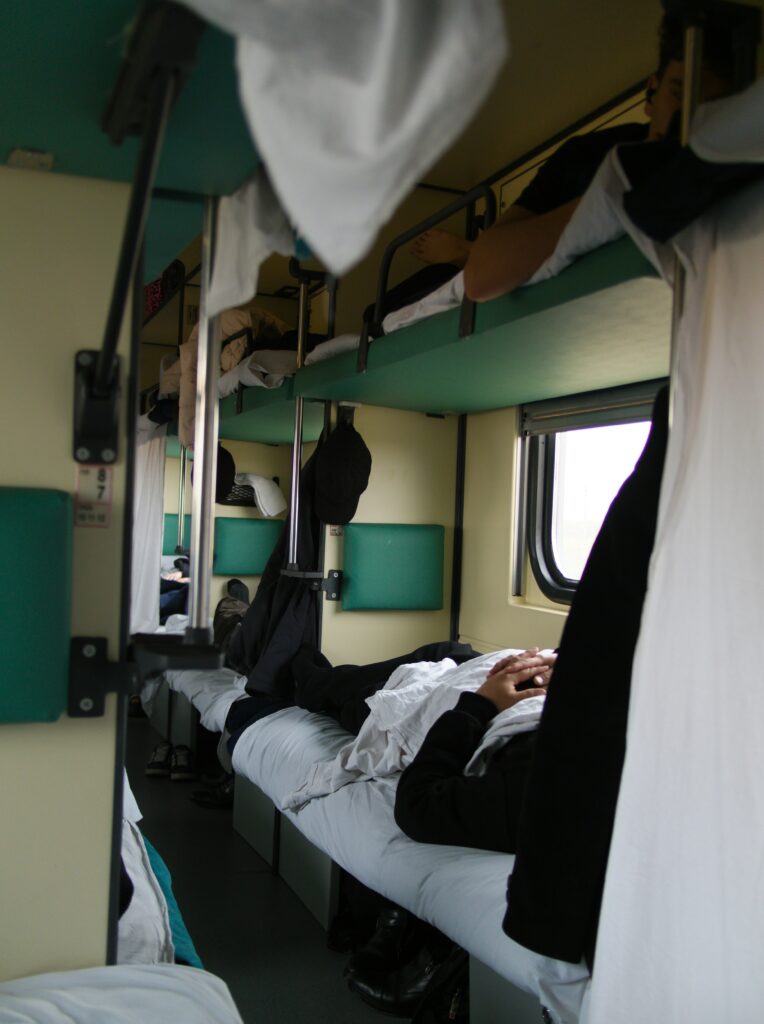
Night trains could also support Croatia’s efforts to diversify tourism beyond pure summer aviation dependency. Rail travellers often stay longer, travel differently and contribute to broader regional mobility patterns compared to short-haul weekend flights. Better rail connectivity could also strengthen inland destinations that currently receive far less international tourism attention than the coast.
For years, the idea of major night train revival seemed unrealistic. Now, across Europe, it’s happening more and more frequently. While Croatia still faces infrastructure limitations, discussions around overnight rail are becoming more serious than they have been in decades.