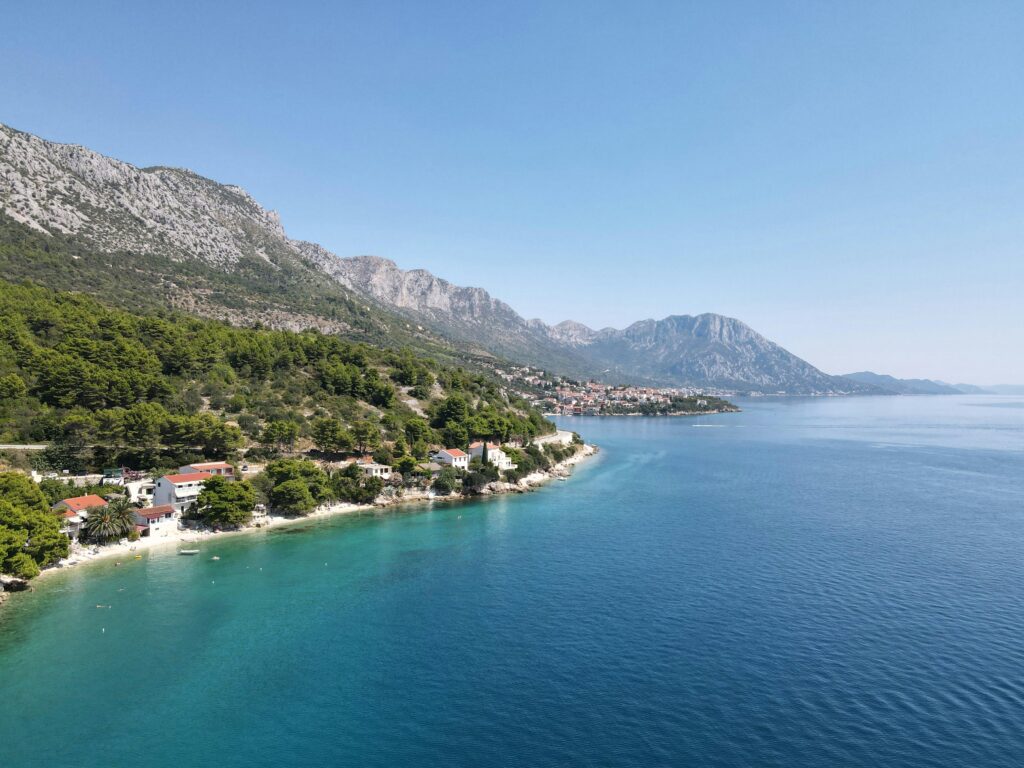
May the 25th, 2026 – Despite most people deeming the Adriatic coast the most idyllic escape possible, some Croats are escaping the coast during tourist season.
There’s a growing phenomenon across Croatia’s coastal cities and island destinations where local residents temporarily escape the Adriatic during the busiest summer months in order to avoid crowds, traffic, noise and rising seasonal prices. In ultra-popular places like Dubrovnik and Split, the trend is becoming more visible every year.
During the very peak of the summer season, many Croatian coastal towns experience dramatic population surges. Historic centres fill with tourists, roads become congested, beaches become absolutely thronged with people and running ordinary errands that take minutes during winter can suddenly require long waits and careful planning. For residents, especially in heavily visited destinations, everyday life often changes completely between June and September. What tourists experience as energy and atmosphere can feel exhausting for locals needing to deal with it constantly.
some now plan around tourist season
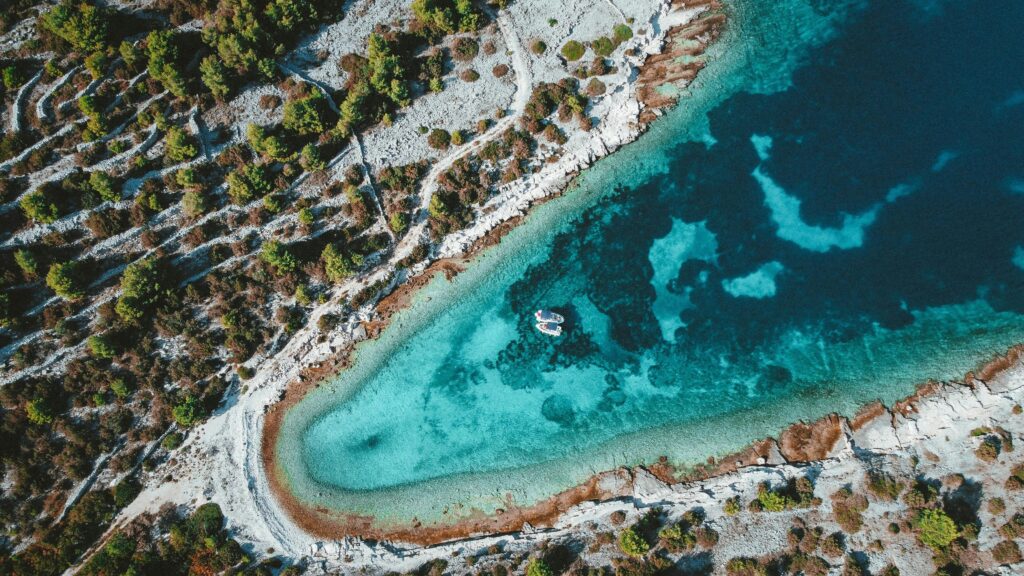
Some coastal residents deliberately organise holidays, family visits or temporary stays inland during the busiest parts of summer. Others spend more time at weekend houses away from tourism zones or simply avoid city centres entirely until the season slows down. For many locals, especially older residents, the goal is simple:
escape the intensity.
dubrovnik is the clearest example of precisely this trend
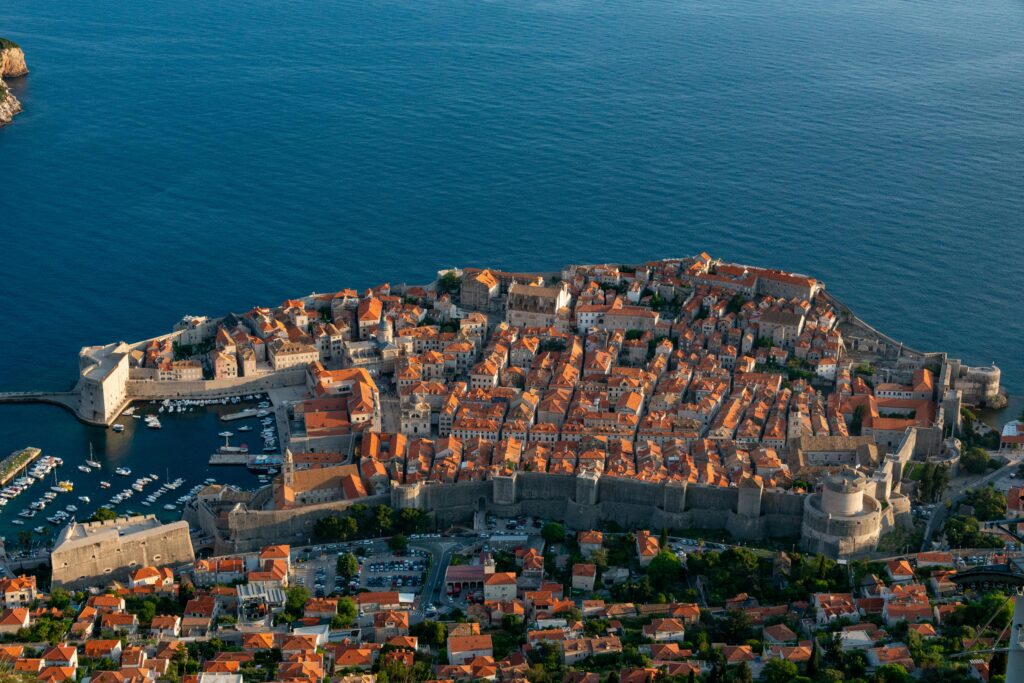
Few places symbolise this phenomenon more than Dubrovnik. The city’s UNESCO-protected Old Town remains one of Europe’s most famous tourism destinations, attracting enormous visitor numbers every summer. There’s a serious strain created for permanent residents who then need to deal with densely crowded streets, rising costs, noise and practical difficulties linked to mass tourism infrastructure.
Some locals increasingly describe summer as a period they have to “survive” rather than remotely enjoy.
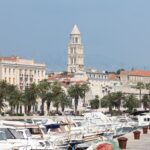
split isn’t dissimilar
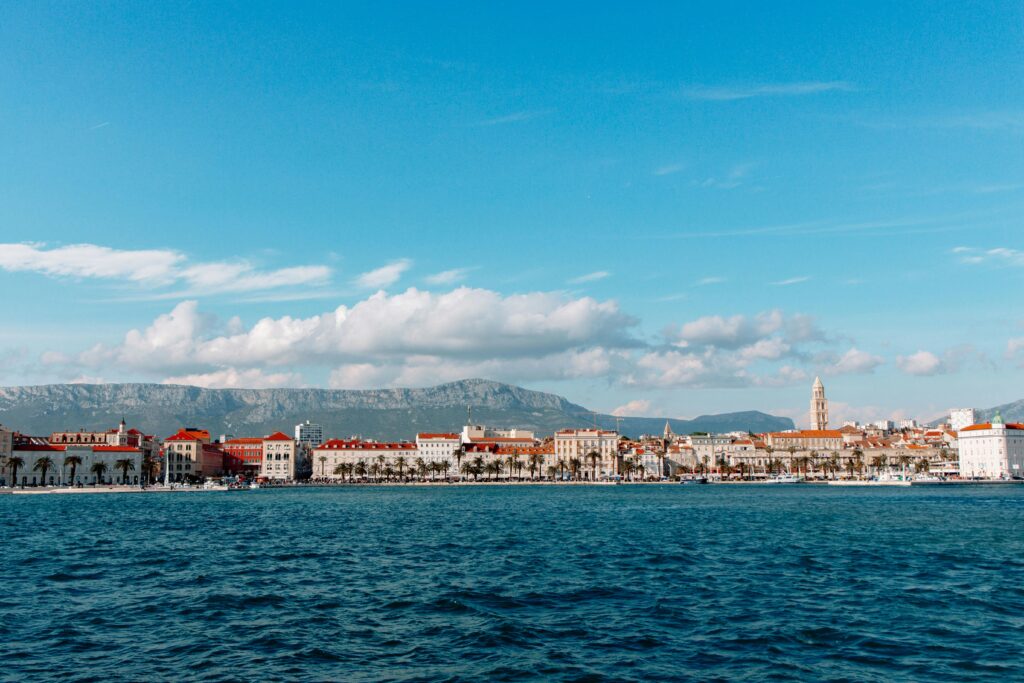
Split has also changed dramatically over the past decade. The city evolved from a relatively relaxed Adriatic urban centre into one of the Mediterranean’s most dynamic tourism destinations, especially among younger international visitors. Nightlife growth, cruise tourism and short-term rental expansion have transformed parts of the city centre during summer months. While tourism brings economic opportunity, it also changes the rhythm of local life.
Seasonal inflation is another major factor pushing some residents away temporarily. Parking, cafes, bars, restaurants and even everyday shopping often become more expensive during peak tourism periods, especially in coastal centres heavily dependent on visitors. Some locals increasingly feel that parts of their own cities become economically oriented toward tourists rather than permanent residents during summer.
Importantly, many of the same residents frustrated by tourism also depend on it economically. Croatia’s coast relies heavily on tourism income, and countless local businesses, apartments, restaurants and seasonal jobs are directly connected to visitor demand. This creates a complicated emotional relationship with summer tourism, financially necessary, but increasingly difficult to live with at full intensity.
mass tourism and intensifying pressure
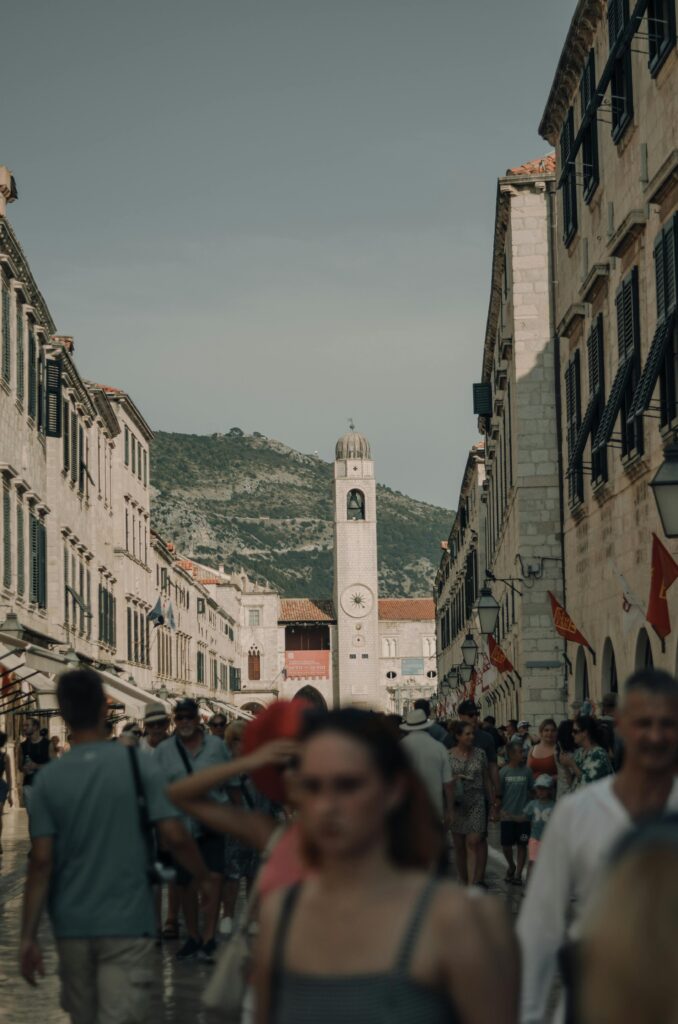
The phenomenon reflects broader European debates around over-tourism now visible in cities across the Mediterranean. Questions about housing, public space, infrastructure pressure and quality of life are becoming more politically sensitive in tourism-heavy destinations. Croatia is increasingly part of that conversation.
The irony is obvious, people are leaving during summer precisely because the coast remains so internationally desirable. Croatia’s beauty, climate and historic towns continue attracting record visitor numbers every year. However, success itself is creating pressure that reshapes local life and often in a deeply negative way.
summer means different things to different people
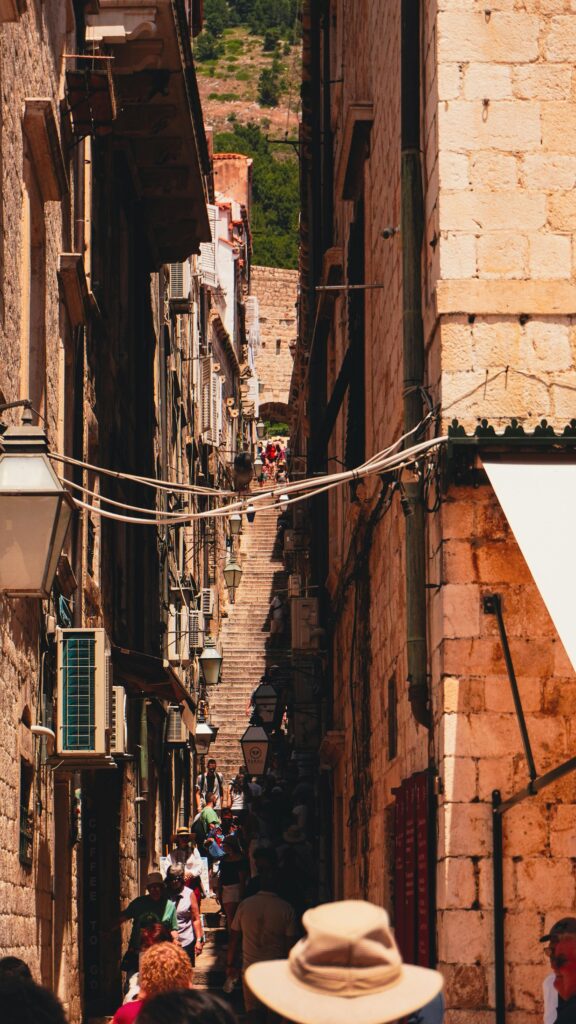
For tourists, summer on the Adriatic often represents freedom, relaxation and escape. For some locals, however, it increasingly means crowds, stress and adaptation. As another busy season approaches, Croatian coastal cities are once again confronting one of modern tourism’s biggest paradoxes: the more attractive a destination becomes, the harder it can become for residents to enjoy living there themselves.