June the 2nd, 2026 – Croatia’s islands are confronting a housing problem that is no longer limited to the peak summer season.
What was once described as a “tourism season imbalance” and dealt with as a mere inconvenience that went with the territory, has since evolved into a year-round shortage of affordable homes for local residents, workers, and young families. Across the entire Adriatic coast, from Krk and Brač to Hvar and Korčula, island communities are reporting the same structural issue. It seems there are now too many homes tied up in short-term tourist use or left vacant for a large part of the year, while demand for long-term rentals continues to outstrip supply entirely.
A problematic housing market shaped by tourism
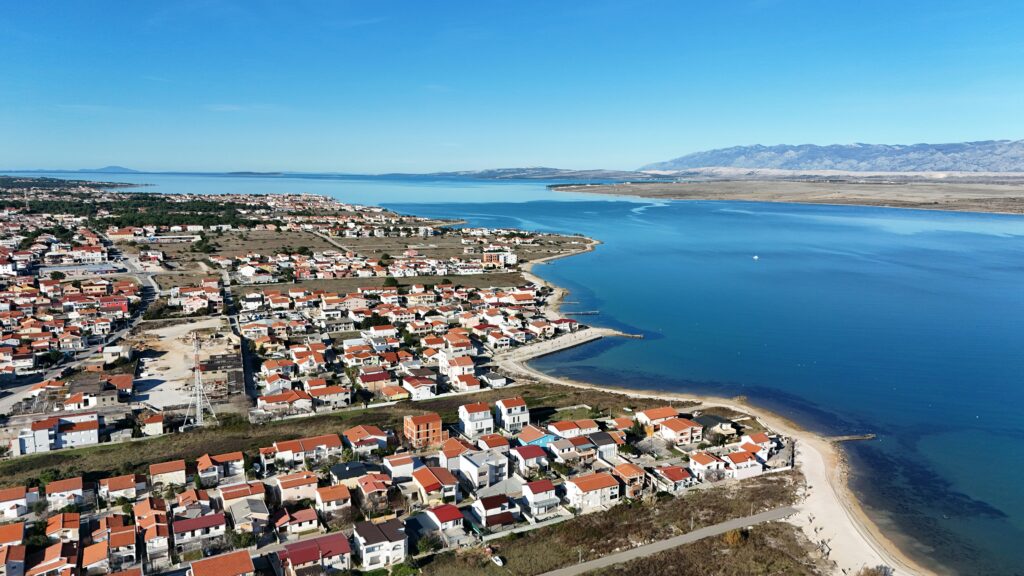
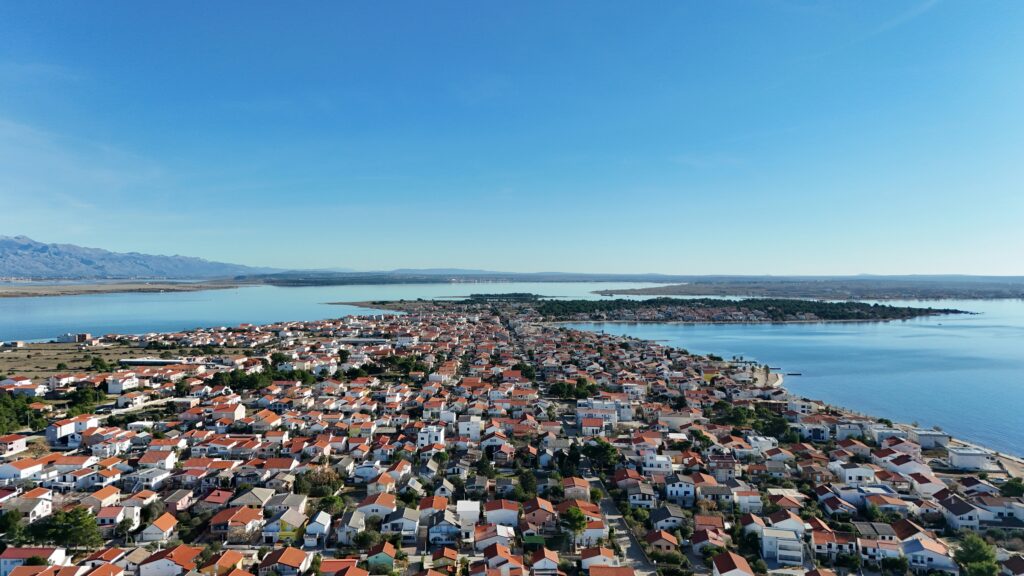
Tourism remains the dominant economic force on most Croatian islands, but its success has created unintended consequences. A growing share of the housing stock is being used for short-term rentals or second homes, reducing availability for permanent residents.
Recent European economic analysis indicates that Croatia has a notably high proportion of underused housing, with a significant share of properties either vacant or used only seasonally. Short-term holiday rentals alone account for a sizeable portion of coastal housing, contributing to tight rental markets and rising prices for locals seeking year-round accommodation. On the islands, this effect is magnified. Entire neighbourhoods in some towns effectively “switch off” outside the tourist season, with shuttered apartments and empty streets replacing summer crowds.
Islanders are being priced out of their own communities
Local residents increasingly report difficulty finding stable, affordable housing. Teachers, healthcare workers, shop employees and municipal staff are among those most affected, as they are needed year-round but struggle to secure long-term leases.
In many cases, landlords prefer weekly or monthly tourist lets, which generate significantly higher seasonal income than traditional annual rentals. This has gradually pushed long-term tenants out of the market, especially in well-connected and popular islands such as Hvar, Brač, and Krk. Even on islands with stronger infrastructure links, such as Krk, demand for housing tied to tourism and second-home ownership continues to distort the local market, leaving fewer options for residents who are not part of the visitor economy.
A hidden offshore winter housing crisis
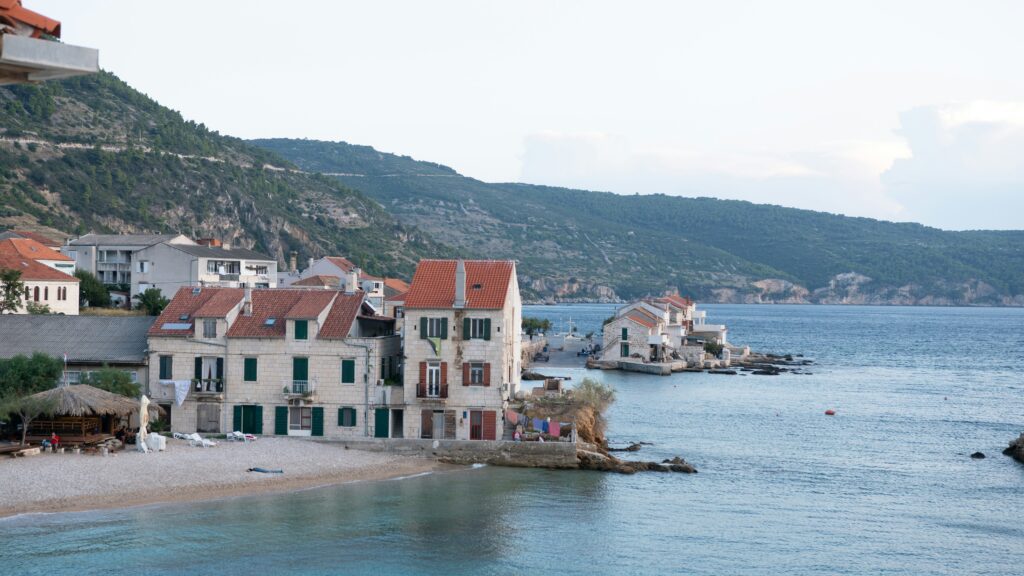
While the housing pressure is most visible in summer, experts say the real issue is structural and year-round. Many properties used for tourism are not available for long-term rent at any point in the year, effectively removing them from the residential market entirely. At the same time, island economies rely heavily on seasonal employment, meaning workers often need accommodation for extended periods beyond peak tourist months. This creates overlapping demand from tourism staff, returnees, and permanent residents—all competing for a limited supply of year-round housing.
In some settlements, the imbalance has led to what locals describe as “dual communities”: one population in summer, and a much smaller, ageing population in winter.
Infrastructure pressure and empty housing
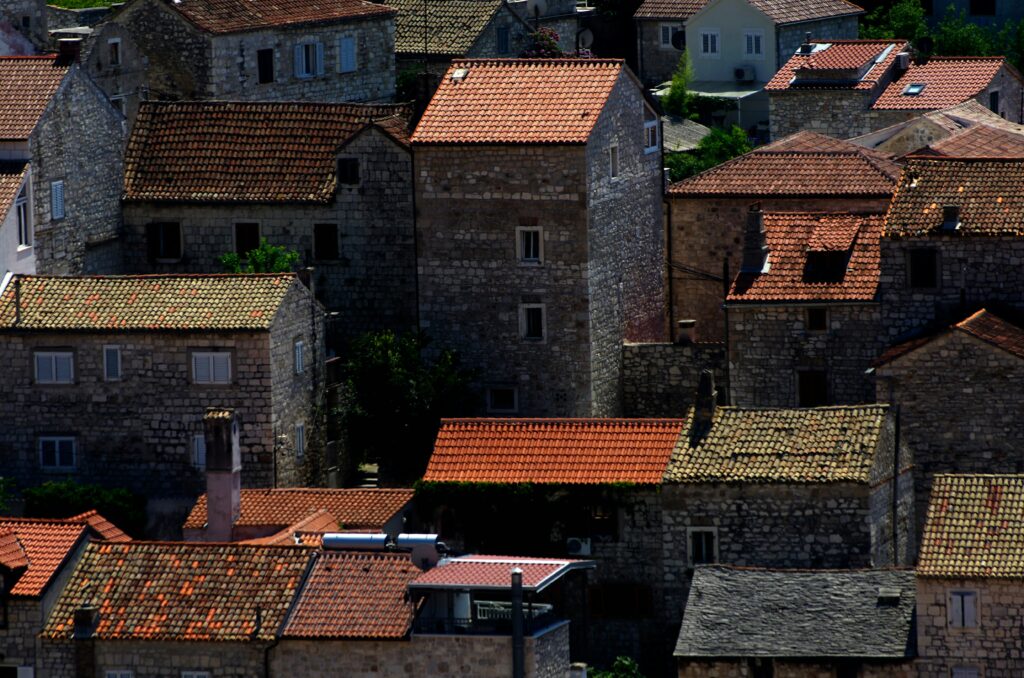
The housing shortage is closely linked to broader infrastructure strain. Islands already face challenges with water supply, transport links, and public services during peak tourism months. However, paradoxically, this pressure exists alongside high levels of vacant or underused housing stock. Analysts note that a significant number of properties remain empty for long periods or are used only for seasonal tourism, limiting their contribution to solving the housing shortage. This mismatch between available buildings and usable residential supply is now seen as one of the core policy challenges for island development.
Policy responses under discussion
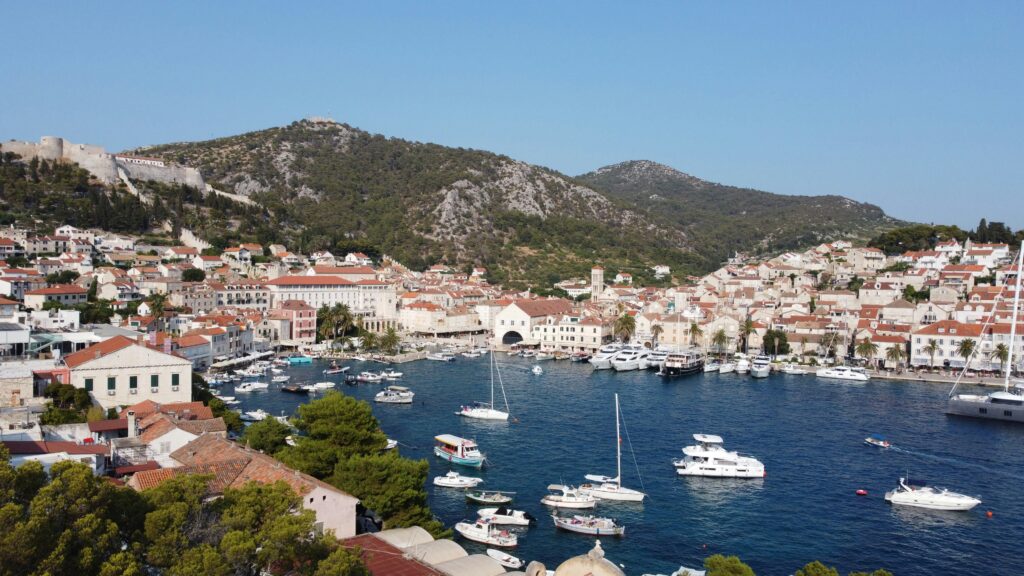
Croatian authorities have begun tightening regulation of short-term rentals and exploring tax changes aimed at encouraging long-term leasing and reducing vacancy rates. New frameworks are intended to shift incentives away from purely seasonal use of housing and toward more stable residential occupancy. Local governments on some islands have also started introducing measures to better regulate tourist accommodation density, particularly in already saturated town centres. However, the powers that be on various islands argue that national-level coordination is needed, as housing markets on islands are deeply tied to tourism flows, transport policy, and mainland demand.
The future of croatian island living
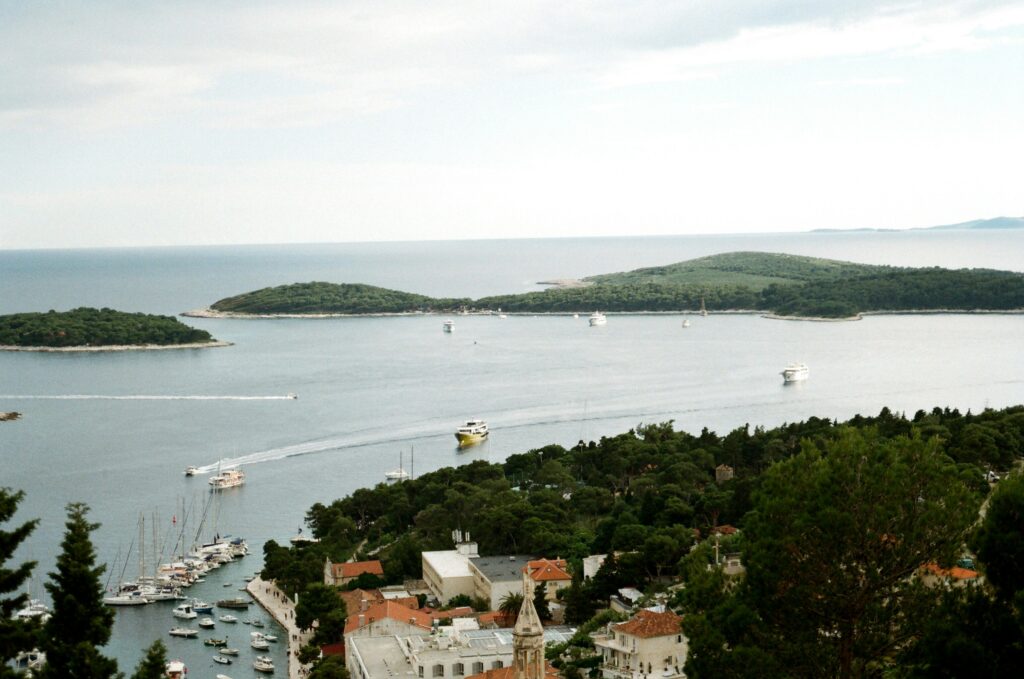
Demographers and planners warn that without structural change, Croatia’s islands risk becoming increasingly “seasonal settlements” rather than balanced year-round communities. The challenge is not simply one of building more housing, but of rebalancing how existing housing is used. Unless more properties are brought into the long-term rental market, islands may struggle to retain essential workers and younger residents. For now, Croatia’s islands remain vibrant in summer, but more and more difficult to live in year-round.