

July the 22nd, 2026 – Croatian retailers are strongly pushing back against the recently introduced night-time alcohol sales ban which they claim makes them feel invisible.
As Index reports, Croatian retailers are loudly voicing growing concerns over new local restrictions banning night-time alcohol sales shops between 21:00 and 06:00. They are arguing that this recently introduced measure unfairly targets their businesses only, all while leaving bars, restaurants and nightclubs totally unaffected.
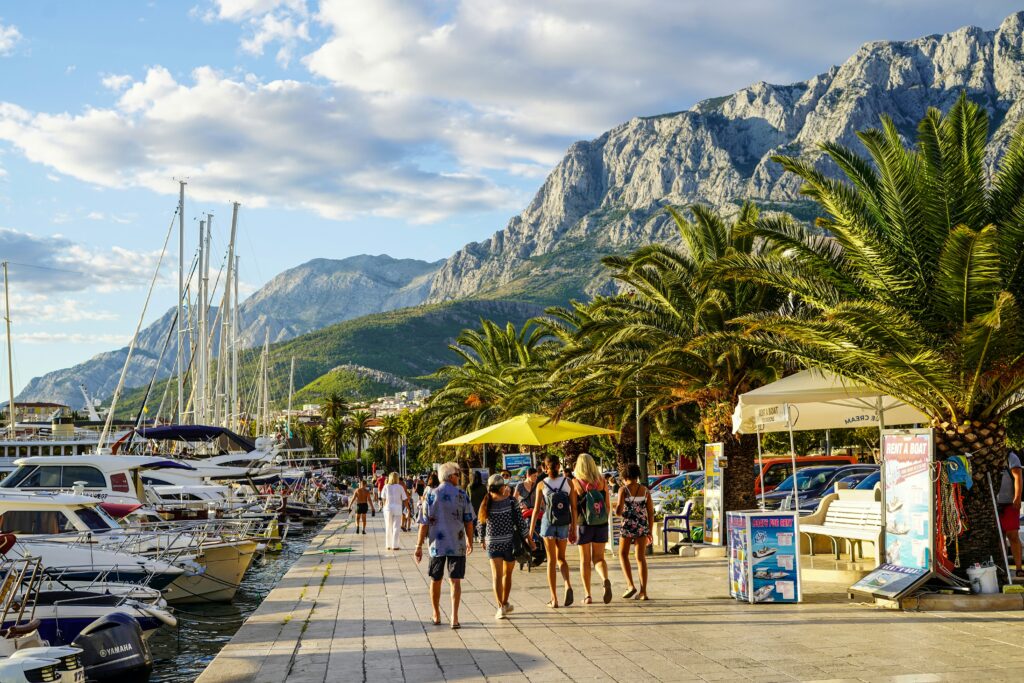
The debate follows Makarska’s decision to become the first Croatian city to prohibit alcohol sales in retail stores between 21:00 and 06:00. The measure was introduced to tackle late-night noise, public disorder and anti-social behaviour during the busy summer season, with other coastal cities, including Split, actively considering similar rules.
“why is it all on us?” ask shop owners and managers
The Association of Small Retailers operating within the boundaries of Split-Dalmatia County are claiming that the new restrictions place neighbourhood shops, kiosks and convenience stores at a significant disadvantage. Its secretary, Boris Listeš, argues that small retailers weren’t even consulted before these decisions were made and that they will suffer the greatest financial impact because many rely heavily on evening sales during the tourist season. He says larger supermarkets, which generally close their doors at around 21:00 or 22:00, will barely notice the change, while cafés, restaurants and clubs will continue serving alcohol without any of these restrictions.
“these rules should apply to everyone”
Retailers insist that if authorities believe limiting alcohol availability will improve public order, the restrictions should apply equally across all businesses selling alcohol. They argue that tourists determined to drink late into the night will simply buy alcohol before the ban begins or continue consuming it in hospitality venues, meaning the new rules are unlikely to achieve their intended effect while disproportionately hurting small family-run businesses.
Rather than introducing ill-thought-out blanket bans, retailers say authorities should focus on enforcing existing public order regulations. They argue that police and municipal wardens already know the locations where disturbances regularly occur and that stronger enforcement against disruptive behaviour would be more effective than restricting legal businesses throughout an entire city. According to the association, the new measures risk penalising responsible retailers instead of addressing the individuals causing problems.
other cities are watching how the situation unfolds in makarska…
Makarska may have been the first to adopt the night-time retail alcohol ban, but it’s highly unlikely to be the last. Split is currently considering introducing similar rules, while other coastal cities are weighing whether such restrictions are necessary in their own communities. At the same time, some destinations, including Supetar and Trogir, have indicated they do not currently plan to follow Makarska’s example. As this heated debate continues, Croatia faces a broader question: how to balance the needs of residents seeking quieter summer nights with those of small businesses that depend on the tourism season for a large share of their annual income.