November the 10th, 2026 – Pula Airport is notoriously empty during the winter season, and some are saying over-reliance on just Ryanair might be more of an issue than we realise – should it therefore follow Zadar’s model?
Much has been said recently about the business model employed by Pula Airport, and the debate even reached the Croatian Parliament recently. Boris Bilas reports for Glas Istre/Voice of Istria reports that SDP MP Sanja Radolović proposed an initiative to establish a route between Pula and nearby Venice. Given the previous management’s neglect of the airport, Pula Airport is still far from reaching the passenger numbers it recorded just under a decade ago. It’s therefore hardly surprising that Istrian politicians, as well as the general public in Istria, are becoming quite concerned.
The new airport director, Marko Ražem, has quickly demonstrated that he is the complete opposite of his predecessor, and it seems that Pula Airport finally has a chance to recover under his leadership. At the same time, many people in Pula are calling for the Zadar model to be adopted, wondering why Pula cannot have an airport just as successful as Zadar’s, especially given that Istria is a much stronger tourist region than the Zadar area.
However, Marko Ražem himself has already stated publicly that he doesn’t consider Zadar’s airport management model particularly appealing and would rather develop Pula Airport in a completely different direction. Indeed, the two airports have completely different business strategies, and a comparison of passenger traffic at Zadar and Pula airports reveals a fundamental divide in their approaches to route development. Zadar’s rapid rise, which saw passenger numbers exceed 1.6 million in 2025 and 2026, has been built on the back of one dominant partner, the ultra-popular Irish low-cost giant Ryanair.
Pula, on the other hand, records stable but more modest passenger traffic of around 554,000, approximately 200,000 fewer than its record year of 2019. However, its strength lies in spreading risk and maintaining a network of traditional and diverse airlines.
the two different strategies employed by zadar and pula
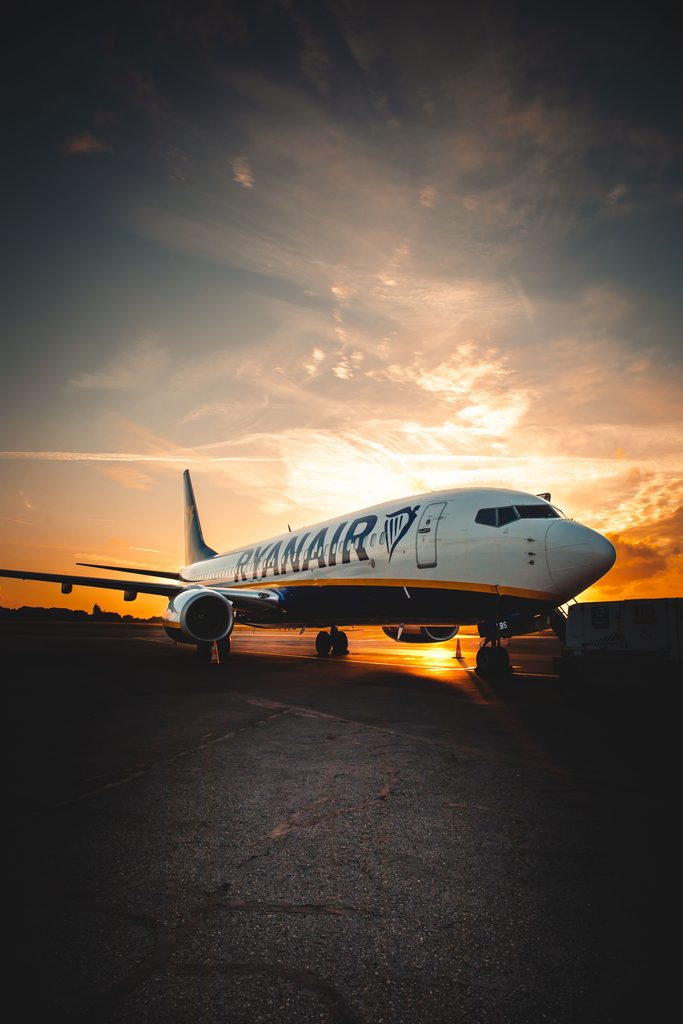
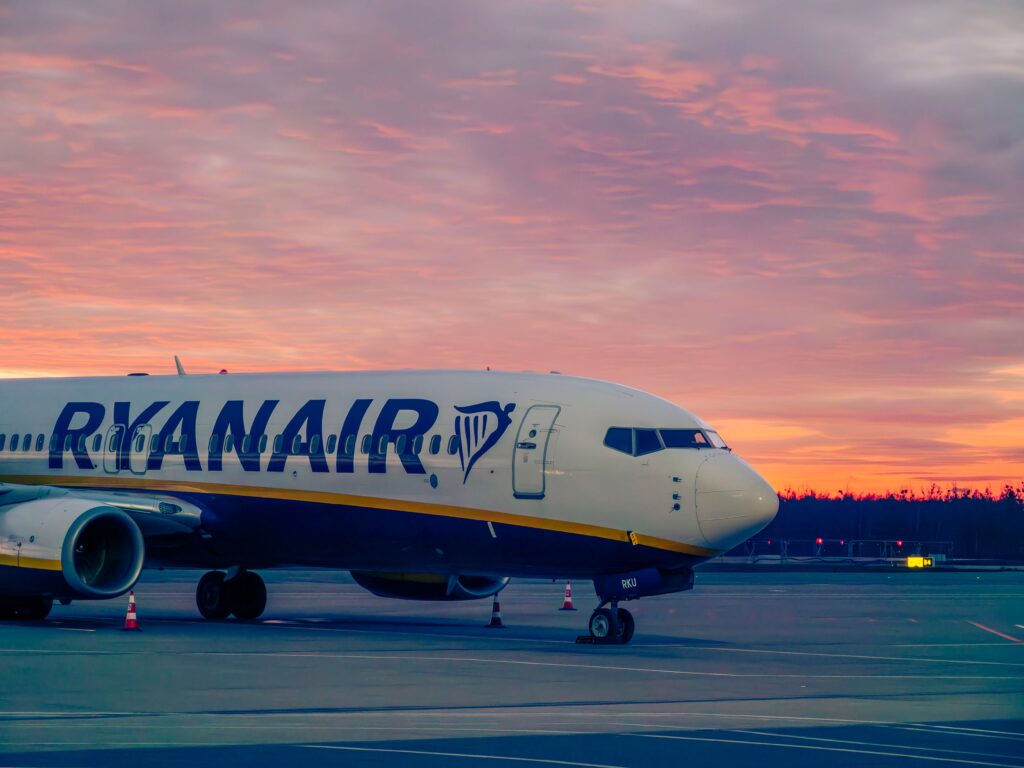
Zadar Airport has become one of Ryanair’s key hubs in this part of the Adriatic coastline. According to estimates, Ryanair accounts for between 75 and 80 percent of Zadar Airport’s total annual passenger traffic. The Irish airline group connects Zadar with more than 70 destinations, bringing record passenger numbers to the airport during the summer season, but also leaving it completely exposed to the business decisions of a single board of directors in Dublin.
Pula Airport, on the other hand, has historically maintained a more balanced portfolio. Although Ryanair first entered the Croatian market through Pula in 2006, Pula does not allow its future to be determined exclusively by the low-cost model. Germany and the United Kingdom account for more than half of all arrivals, while, alongside Ryanair, a significantly larger proportion of passengers travelling to Istria are brought in by other airlines and numerous charter operators.
In the aviation industry, having 80 percent of your traffic dependent on a single airline is considered an extremely high-risk gamble. Ryanair operates according to a highly aggressive business model: it has no particular loyalty to destinations. Its bases are established wherever subsidies from local tourism boards are highest and airport fees are lowest. When an airport refuses to reduce its charges or a government raises taxes, Ryanair does not hesitate to withdraw aircraft and shut down routes overnight. Zadar is currently undergoing a massive infrastructure expansion of its passenger terminal. Investments in increased capacity are justified by the current overcrowding. However, if Ryanair were to decide to drastically cut its operations or relocate its base, as it recently announced reductions and withdrawals from cities such as Berlin, Bremen and Thessaloniki due to disagreements over airport charges, Zadar Airport could be left with an enormous empty terminal, high fixed costs for maintaining unused facilities and a dramatic drop in revenue.
a broader airline range

This is precisely what the new director of Pula Airport, Marko Ražem, wants to avoid. He has announced that the airport will attempt to further expand its range of airlines in the future, even if this might mean slightly fewer passengers in the short term compared with Zadar.
In the long run, however, this would mean a much more stable and secure business model that does not depend on the whims of a single person in Dublin. All things considered, Zadar is currently enjoying the fruits of its tourism boom and making headlines with record-breaking passenger numbers. However, its Ryanair “monoculture” is unsustainable in the long run without a strong Plan B. Pula, despite having fewer passengers, can sleep much more peacefully because losing any individual airline would not automatically mean the end of the airport’s operations. The lesson for Croatian tourism and aviation authorities is clear: low-cost airline partners are an excellent engine for growth, but turning an airport into the private runway of a single airline creates a vulnerability that could bring an entire region’s air connectivity to a standstill in an instant.
ryanair’s cautionary tale…

The risks of depending on a single airline are not merely theoretical. Several smaller European airports have experienced complete collapse after becoming dependent on Ryanair and subsequently attempting to make the airline pay market-rate prices. It’s no secret that Ryanair offers the best prices for the vast majority of its routes, and that making sure it is present at your airport has become paramount across Europe, but it shouldn’t imply total reliance. There are a few cautionary tales to keep in mind…
Frankfurt-Hahn Airport (Germany): Once a textbook example of Ryanair’s success outside Frankfurt. When the Irish airline began transferring flights to Frankfurt’s main airport and cutting routes at Hahn, the airport sank into debts amounting to millions of euros and eventually declared bankruptcy.
Altenburg-Nobitz Airport (Germany): A regional airport that invested millions in modernisation to meet Ryanair’s requirements. Following disagreements over marketing funding, Ryanair completely abandoned the airport in 2011. The airport was left without commercial flights, and the project ended in business failure.
Ciudad Real Airport (Spain): Although it also suffered from other structural problems, this so-called “ghost airport” attracted Ryanair with millions in subsidies. When the subsidies dried up and Ryanair left, the airport closed and ended up in insolvency proceedings. The recent wave of base closures and capacity cuts across Germany and Belgium clearly demonstrates that O’Leary’s management is not afraid to make radical cuts.