
August the 7th, 2026 – There’s a far-flung Croatian island that is closer to neighbouring Italy than to the Croatian mainland. Only a lighthouse keeper lives there, and he’d be able to arrive on Italian shores much more quickly than he’d manage to arrive in Croatia.
Far out in the Adriatic Sea sits an isolated island from which, on a clear day, both shores of the Adriatic are clearly visible. Putni kofer writes that only a lighthouse keeper lives there, and day-trippers rarely stop by.
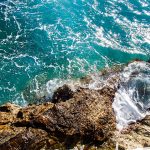
If you look at a map of the Adriatic and study the area from Split towards the shores of Italy, you will see the islands of Brač, then Hvar, then the more distant Vis and Korčula, followed by the open-sea island of Biševo… After that long stretch there is nothing, only deep blue emptiness, and then, almost in the middle of the open sea, another “little dot”. That’s Vela Palagruža, Croatia’s most remote island of all. It’s a narrow rocky islet barely a kilometre and a half long. From here to the Italian coast, you’ll cover just 68 kilometres, while to Split it is more than 120. In other words, this piece of Croatia is almost twice as close to foreign land as to its own.
this position made the island so important
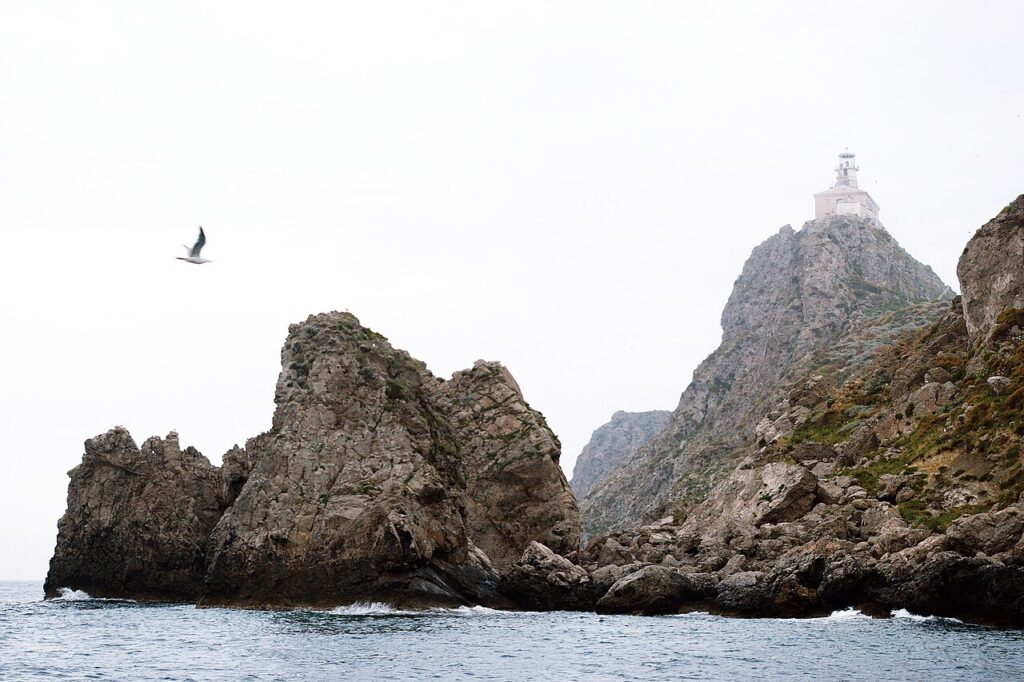
It is precisely this position that for centuries gave Palagruža an importance out of all proportion to its size. It is the only point on the Adriatic from which, in clear weather, both the Italian and Croatian coasts can be made out, so for thousands of years the island served as a landmark and resting place on the long voyages between the Italian shore and Dalmatia.
Archaeologists have been confirming this for decades. At the Salamandrija site, on the plateau right next to the lighthouse, traces of human presence going deep into prehistory have been found, and in later periods the island became a sanctuary for seafarers. Finds of pottery inscribed with the name of Diomedes, the hero from the Iliad, confirmed that Palagruža was a place where sailors paid homage to him before setting out onto the open sea.
it remained under italian control until 1860
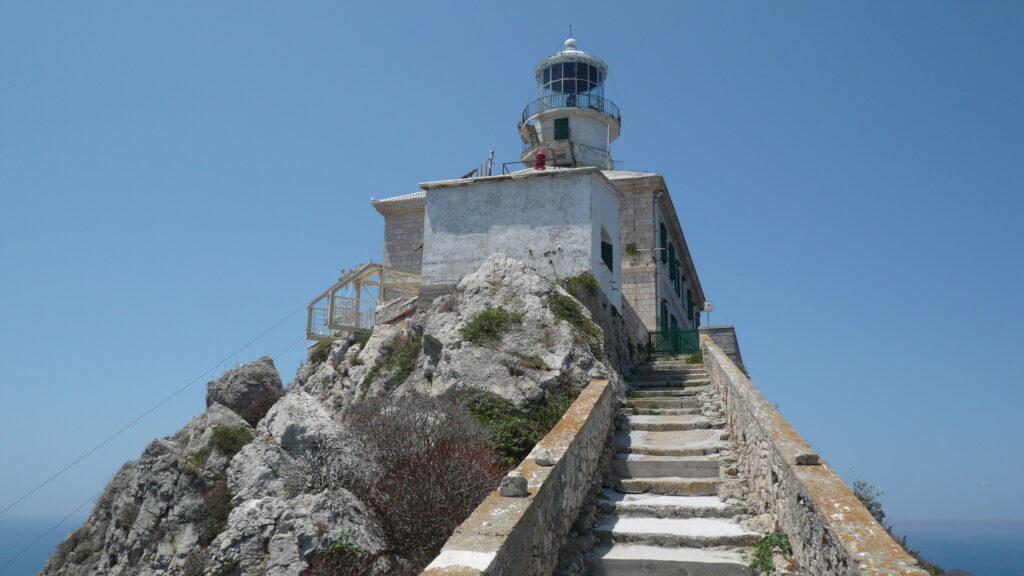
Until 1860, Palagruža was under Italian administration. When the Austrian authorities took it over, a lookout service was established on the island, and then in 1875 the lighthouse was built. Twenty years later a meteorological station was added. Since then Palagruža has never been without people.
The stone lighthouse stands in the middle of the island at 90 metres above sea level; with its lantern it rises to about 126 metres above the sea. A steep path about 700 metres long leads up to it – a real mountaineering stretch on which donkeys once helped the lighthouse keepers. About ten years ago they were replaced by a cable winch built specifically for this purpose.
the lighthouse keeper welcomes guests… but rarely
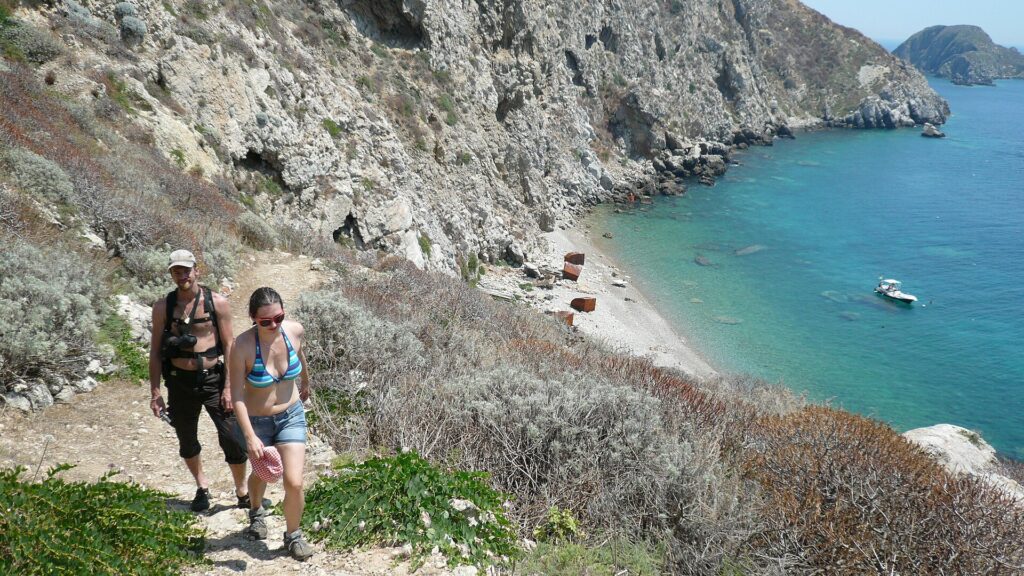
Today only the lighthouse keeper lives on Palagruža all year round; in the past entire lighthouse families – more than ten people – used to stay there. It is he who, during the summer, welcomes the guests who manage to reach this little piece of paradise.
And for those rare visitors that means exactly what it sounds like. There is no shop, restaurant, bar or pharmacy. There is not even the possibility of quickly buying something extra. Plovput looks after the lighthouse, and through them one can arrange summer accommodation in one of the two four-bed apartments, with a minimum stay of seven days. The building stands high on the island’s ridge, so a stay is not recommended for people in poorer health. What you get in return is hard to compare with anything else on the Adriatic: silence, the sea on all sides, and the feeling that you are on a planet of your own.
the highest number of endemic plants in all of southern dalmatia
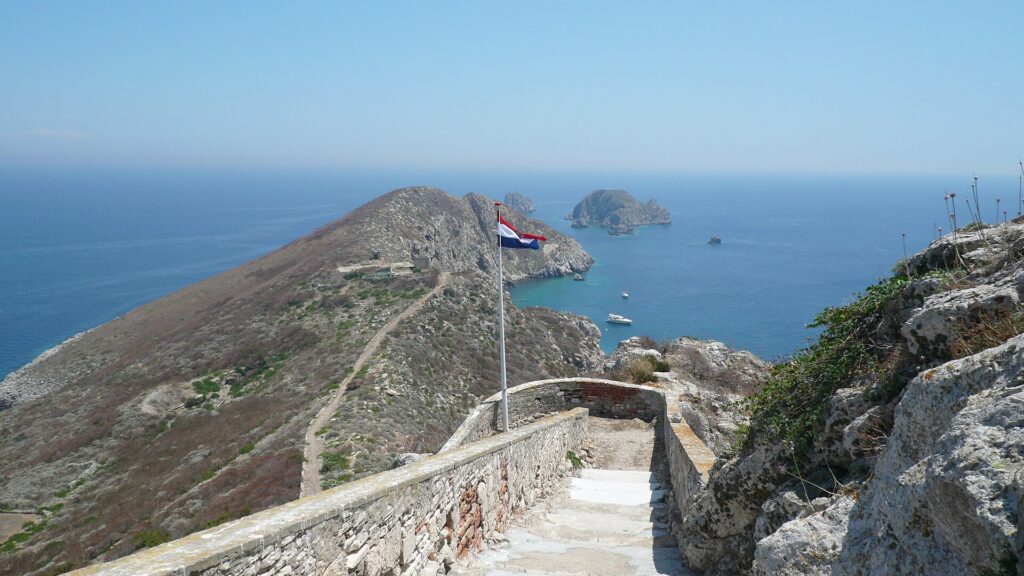
Vela Palagruža is 1,400 metres long and only 300 metres wide, with gentler slopes on one side and vertical cliffs on the other. The climate is exceptionally mild and rainfall is scarce, so vegetation is lush in spring, autumn and winter, while in summer the coast is almost bare. Among the islands of southern Dalmatia, Palagruža has the most endemic plants. Here grow the Palagruža cabbage, Palagruža centaury, Palagruža horsetail, open-sea spurge and other species you will not find elsewhere. The archipelago around the main island also includes Mala Palagruža and a series of rocks and reefs. To the south-east lies the islet of Galijula, officially the southernmost land point of Croatia.
the former home of the richest fishing grounds in the entire adriatic
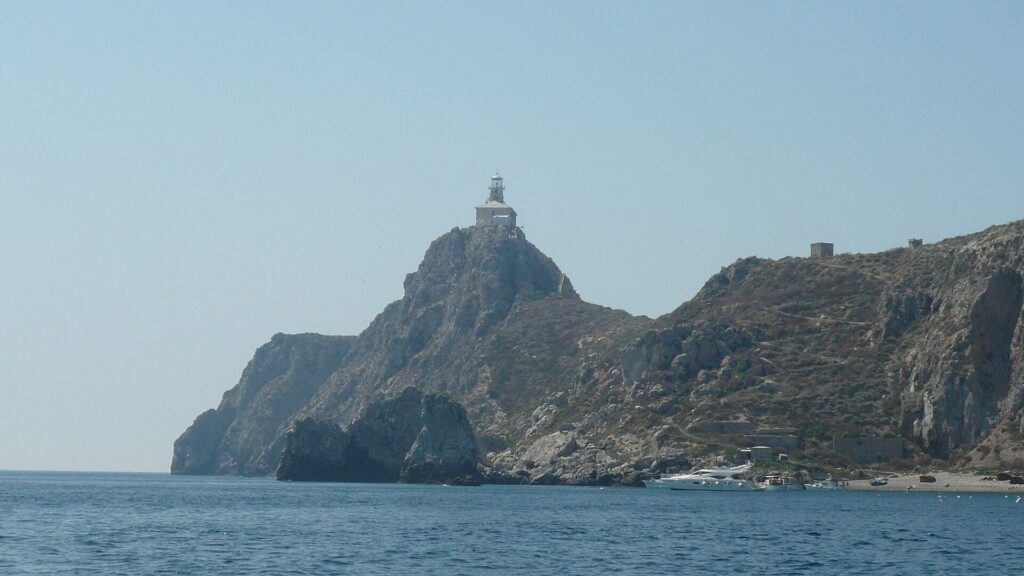
The waters around Palagruža were once one of the richest fishing grounds in the Adriatic. Today lobster and white fish are mainly caught here, and the area remains primarily a fishing zone. Visits have to be arranged with the lighthouse keepers or with one of the fishermen from Komiža; organised group excursions practically do not exist. For a place of this kind, that is probably not bad news.