
August the 29th, 2026 – There’s a very old Croatian island settlement that was once often referred to as the village of millionaires, but today a mere 20 people remain there.
On the beautiful central Dalmatian island of Hvar there are an incredible 936 monuments, six of which are protected by UNESCO. It’s home to the oldest public theatre in all of Europe, one of the larger town squares in the entire Mediterranean, beautiful churches, fortresses and summer residences… As Putni kofer writes, listing all of Hvar’s beauty and attractions would take hours, and for most people, there’s never quite enough time to see them all.
Many people therefore only focus only on the coast and miss the picturesque interior and the fascinating areas it is home to. One of them is the old, now eerily quiet Velo Grablje, once known as the village of millionaires.
ancient stone homes locked in another time
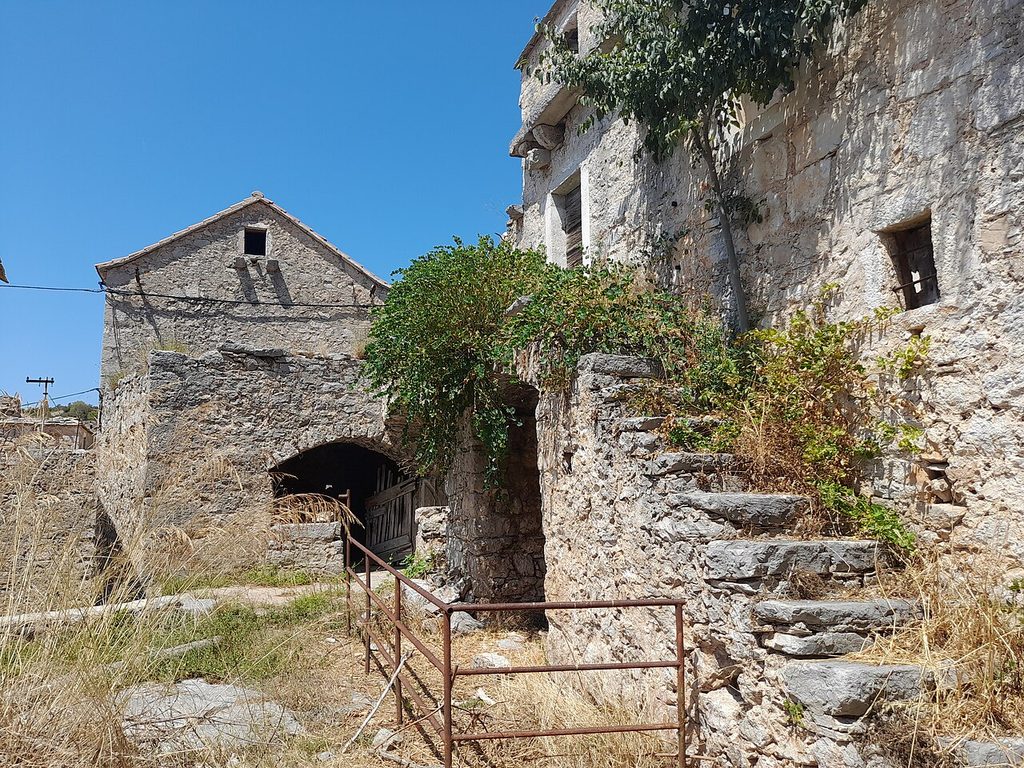
Hidden among the hills, vineyards and dry-stone walls, Velo Grablje at first glance looks as if it has remained frozen in another time. Narrow stone streets, old houses with wooden shutters and an almost unreal silence only reinforce that impression. Today, according to the latest census, the village has only 20 inhabitants, but a hundred years ago there were as many as 500. That means that in one century the place lost 96 percent of its former population.
Today tourists visit the village for its authentic Dalmatian atmosphere, but the reason for its prosperity a hundred years ago was not tourism. There were never luxury villas, swimming pools or wealthy foreigners here, but there was something far more valuable at the time: lavender. The story begins in the late 1920s, when Hvar’s vineyards were going through a difficult period because of downy mildew. Looking for a new crop that could thrive on the rocky and dry soil, local resident Bartul Tomičić was the first to start growing lavender and producing essential oil.
Lavender had existed on the island earlier, but it was he who, at the end of the 1920s, began cultivating it as a commercial crop and producing oil from it. It was not an easy decision. After the problems with the vineyards, the island’s inhabitants had to look for new crops that could succeed on the stony soil and bring in income. Tomičić became convinced about lavender after a lecture by two experts from Split. At first his neighbours found the idea strange. Planting flowers instead of the usual crops? Many thought it frivolous. However, it turned out that Hvar’s climate is ideal for this plant, and production soon began to spread across the entire island.
every household was involved in the harvest
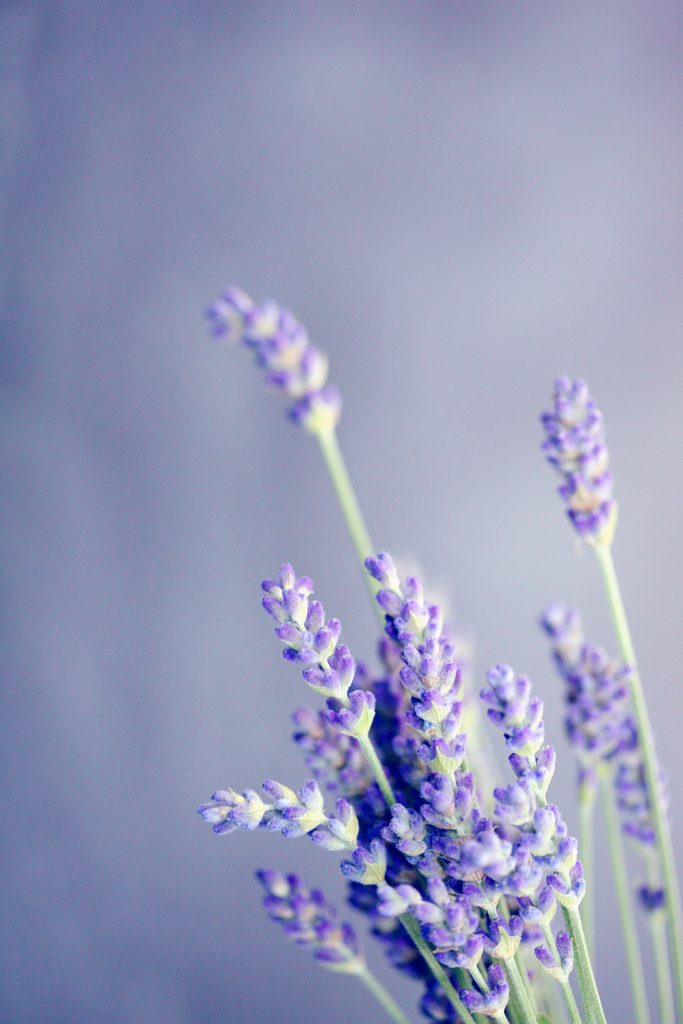
The centre of production was precisely Velo Grablje. In the middle of the 20th century lavender brought such good income that the villagers were among the wealthiest on the island, and their village earned the nickname “village of millionaires.” For a time Velo Grablje was the largest producer of lavender oil in Dalmatia. For decades, lavender shaped the life of the local people. Almost every family took part in the harvest, distillation and sale of the oil, and the scent of the purple fields became the trademark of the whole island. Until the 1970s, the island of Hvar was among the most important lavender-growing areas in the entire Mediterranean.
Naturally, the glorious age of lavender did not last that long. Purchase prices fell, young people left for the mainland or abroad, some plantations were destroyed by fires, and the old village gradually emptied. In the hardest times only seven permanent residents remained in Velo Grablje.
only around 20 people remain in velo grablje today
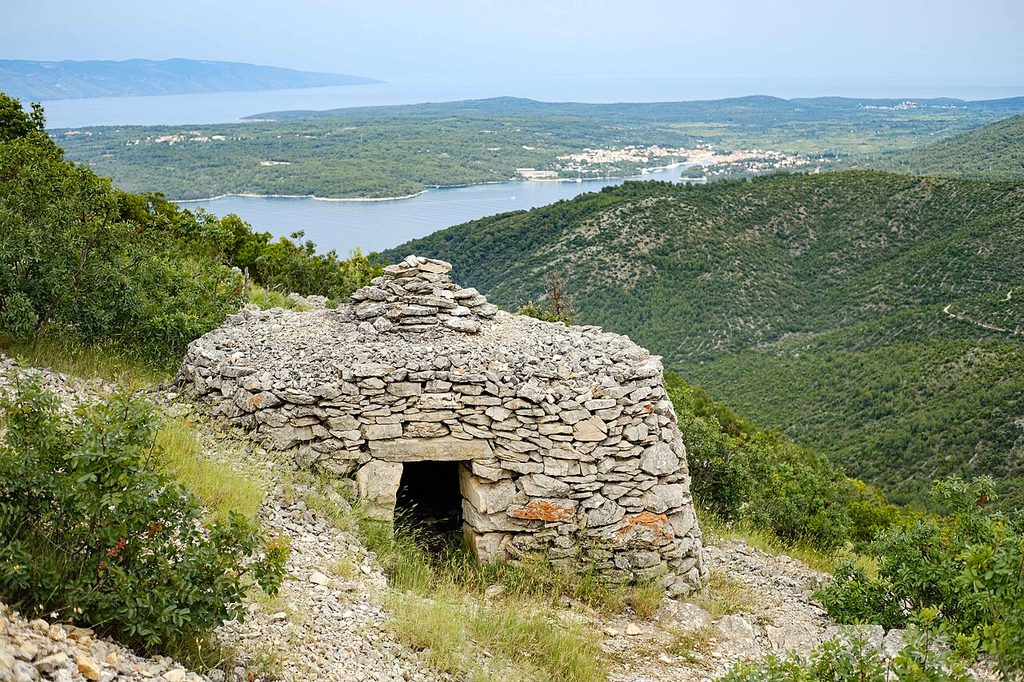
Although the number of inhabitants is smaller than ever, the village still lives, but at a slower and quieter pace. That emptiness, peace and old stone architecture are exactly what delights tourists who arrive from the busy and noisy coast into its narrow stone lanes. In recent years Velo Grablje has even been experiencing a kind of revival, precisely thanks to the preservation of tradition and cultural heritage. The golden age of lavender has been turned into a brand of the small place, whose highlight is the Lavender Festival held at the beginning of July.
This year, the festival took place on the 3rd and 4th of July. The story of lavender on Hvar is wider than Velo Grablje. Lavender fields are also found around Brusje and in the area of the Stari Grad Plain, and since 2015 almost a hectare of plantations has been grown near Jelsa. Individual lavender bushes can be seen in other parts of the island as well, along roads and on old terraces.