
August the 29th, 2026 – There’s a coastal Croatian town now called Ploče that changed its name 4 times in 45 years, being named after the same man twice.
A resident born in 1945 in what is now Ploče would have had to change his address as many as four times by 1990. Putni kofer writes that the former Ploča first became Kardeljevo, then Ploče, then Kardeljevo again, and finally Ploče once more. All of this happened in a period of just 45 years, while one of the youngest towns on the Croatian coast was rapidly developing at the mouth of the Neretva.
turning the clock back to 1387…

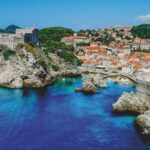
The name Ploča was first mentioned back in 1387 in documents of Dubrovnik provenance. However, in those years there was no proper, organised settlement in the area of today’s town. It was a small port, or rather a sea landing place located right next to the mouth of the Neretva River. Ideas about building a large port had existed for centuries, but more serious works only began in the first half of the 20th century. The port was heavily damaged towards the end of the Second World War. After 1945 its reconstruction began, and on the previously mostly empty, rocky and marshy area a new town gradually emerged. Its original name Ploča, in the singular, was restored to it.
speeding much further forward to 1950
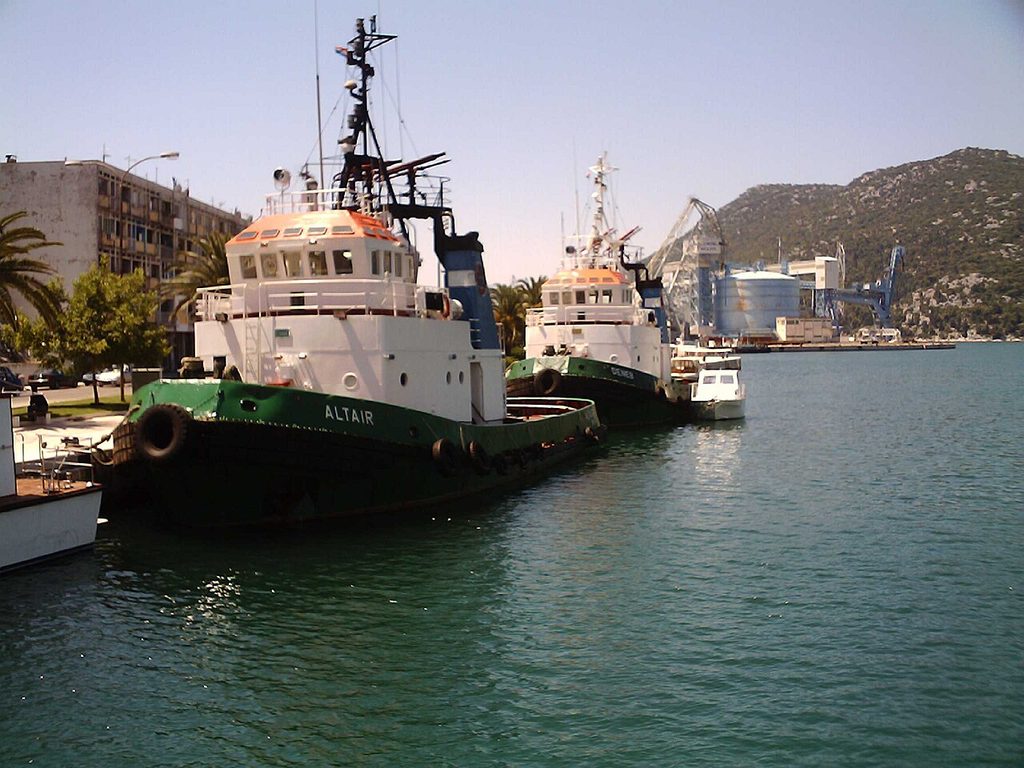
The first post-war change took place on the 1st of May 1950. Ploča was then renamed Kardeljevo, after the Slovenian politician Edvard Kardelj, who was one of the closest associates of Josip Broz Tito and one of the leading ideologues of the then Yugoslavia. The name Kardeljevo, however, didn’t really last long. The town existed under that name for only four years, until 1954. Interestingly, even while the town bore the name Kardeljevo, the port retained the name Port of Ploče. During those years the town began to develop rapidly. Instead of the wooden barracks in which port and transport workers lived, the first residential buildings started to appear. The settlement got electricity and a water supply, a cinema and a school were opened, and in 1952 it became a municipal centre.
a plural name change came in 1954…
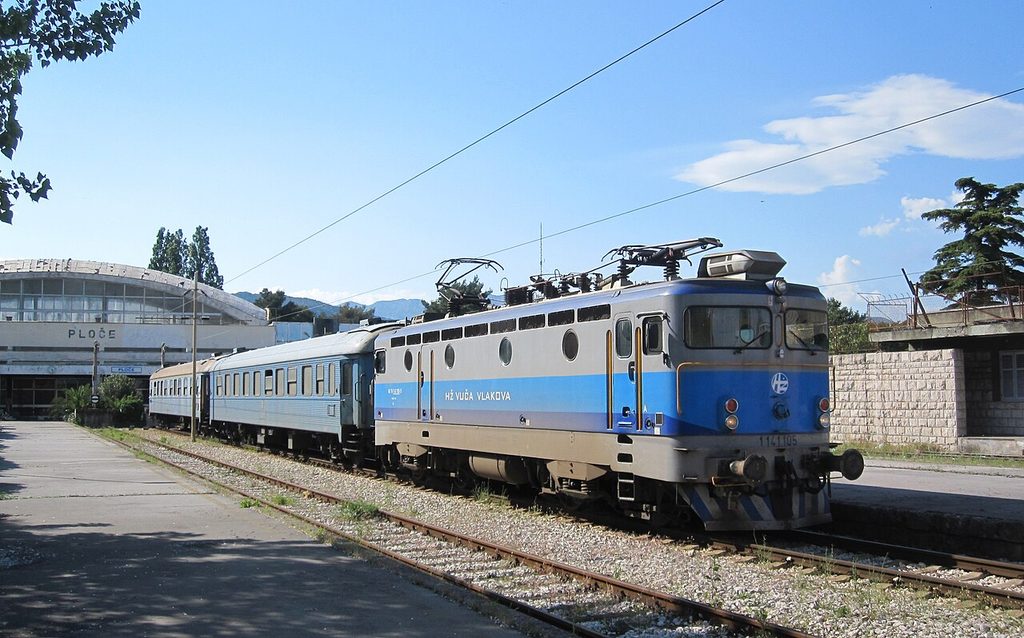
During 1954, Kardeljevo ceased to exist and the town was given the name Ploče. This was the first time that the plural form of the historical name Ploča was officially introduced, a form that can still be heard among some of the local population today. The new name remained for the next 26 years, during the period of the town’s and the port’s greatest development. After the construction of the Adriatic Highway, the road towards Mostar and the railway line that connected Sarajevo, Mostar and Ploče, the town became one of the most important transport and port centres on the southern Adriatic. It seemed that the story of changes to its name was over, but in 1980 political circumstances once again decided the fate of the town’s plaques, documents and the addresses of its residents.
a name change occurred in 1980, back to a former name…
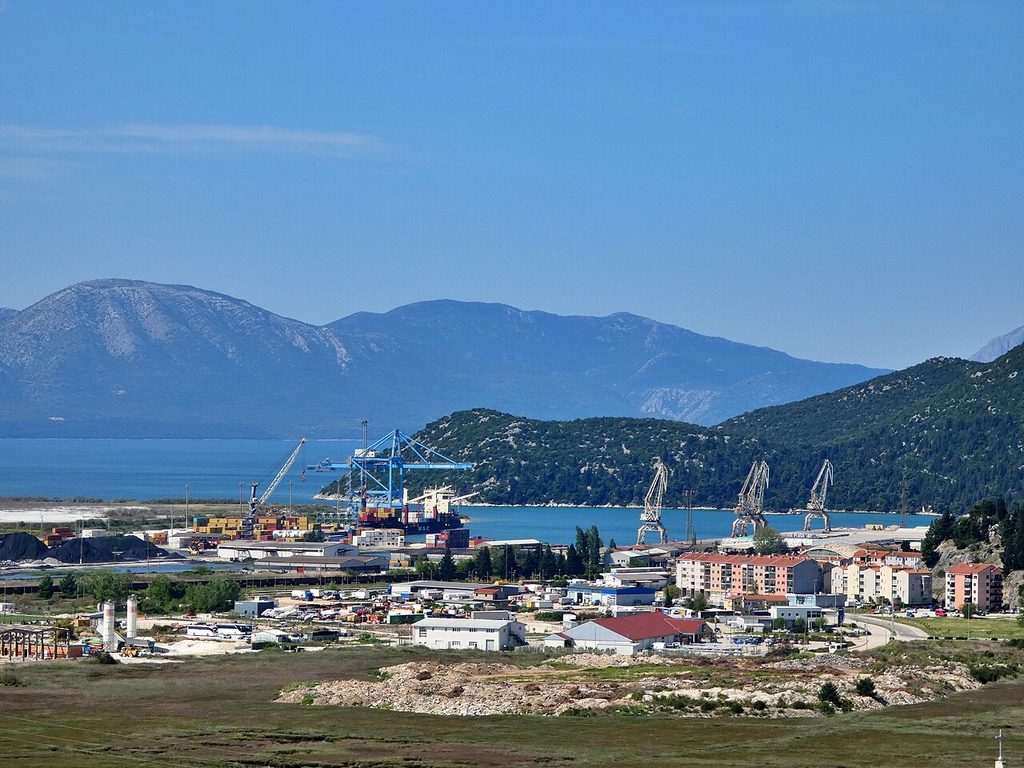
Edvard Kardelj died in February 1979, and the very next year Ploče was once again given his name. On the 2nd of February 1980 the town became Kardeljevo for the second time. As such, residents who only a few decades earlier had lived in Ploča, then in the first Kardeljevo and in Ploče, once again found themselves in Kardeljevo. The second period under that name lasted significantly longer than the first, a full ten years. At the end of the 1980s, with political changes in Yugoslavia and the strengthening of processes that would lead to Croatian independence, thoughts began to turn to restoring the previous name.
a name restoration in 1990
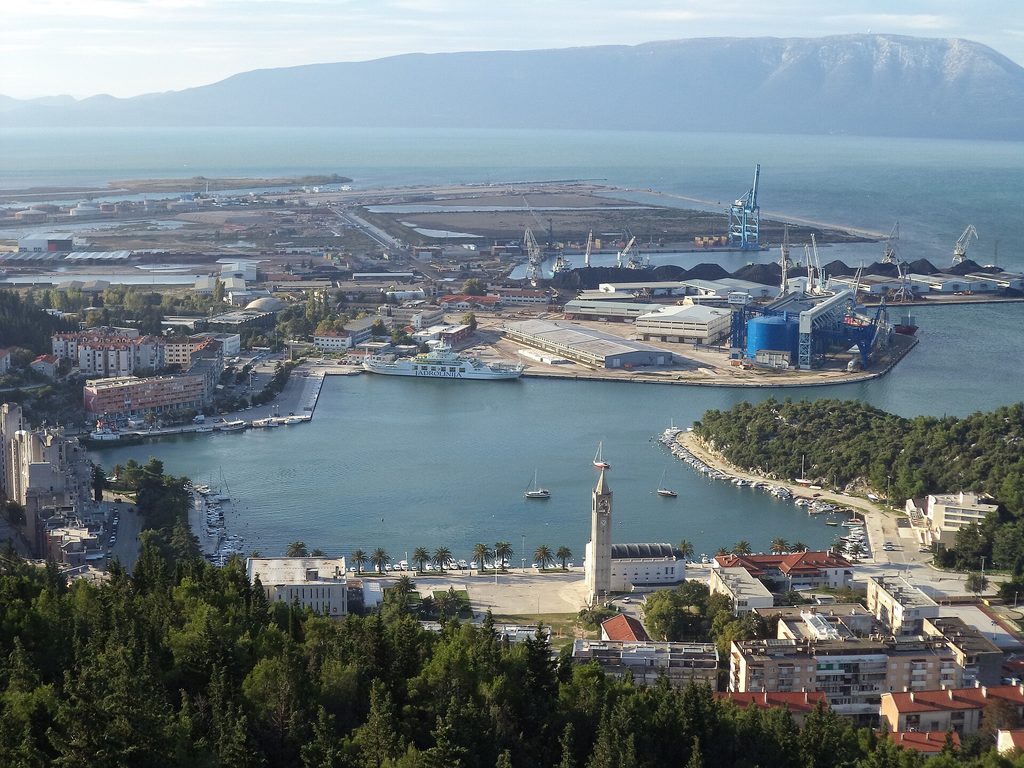
At the local level the decision to return the name Ploče was made on the 10th of October 1990. The Croatian Parliament then, on the 9th of November, passed the Act on Amendments to the Act on the Areas of Municipalities, which stipulated that the word “Kardeljevo” be replaced by the word “Ploče”. The Act was published in the Official Gazette (Narodne novine) on the 14th of November and entered into force on the eighth day after publication, on the 22nd of November 1990. This was the fourth time since 1950 that the name of the town had been changed.