July the 17th, 2026 – Italy and Croatia have historically had a complicated relationship, and despite the passage of centuries, there are still Italian villages where you’ll hear Croatian spoken as it was 500 years ago.
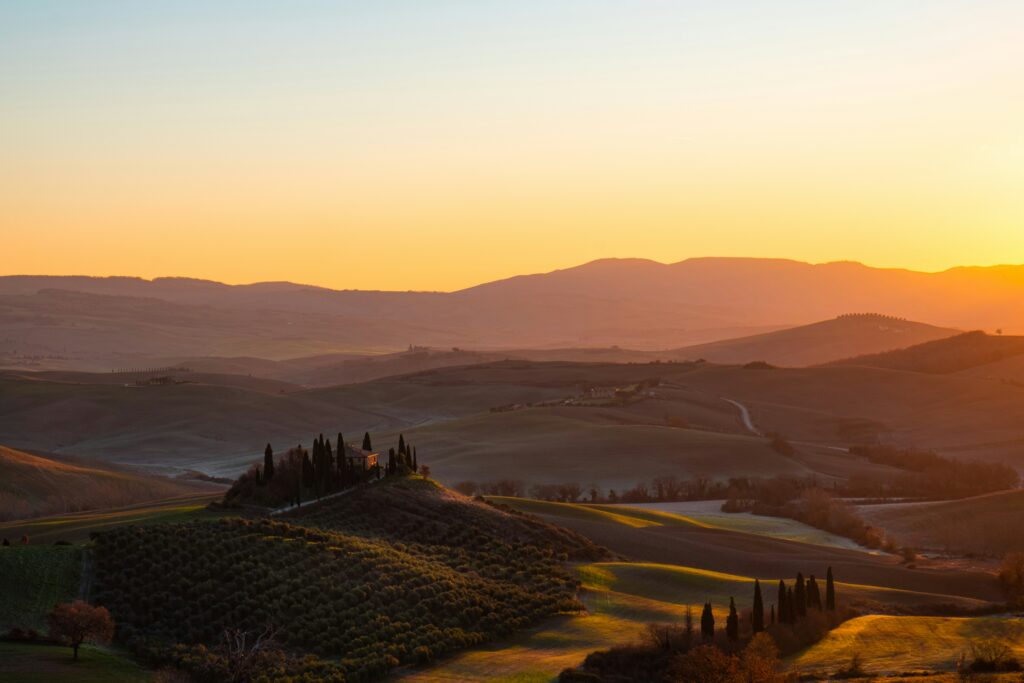
Just across the Adriatic Sea, hidden among the rolling hills of southern Italy, you’ll find three small villages where Croatian is still spoken more than 500 years after the very first settlers arrived there.
meet the molise croats

Known as the Molise Croats, this unique community has preserved its language, traditions and identity since fleeing the eastern Adriatic coast during the Ottoman expansion in the late 15th and early 16th centuries. Putni kofer writes that today, the descendants of those settlers continue to live primarily in the villages of Montemitro (Mundimitar), Acquaviva Collecroce (Kruč) and San Felice del Molise (Filič) in Italy’s Molise region.
Despite having been surrounded by strictly Italian-speaking communities for centuries, many residents still speak Slavomolisano, or Molise Croatian, a dialect that has evolved separately from standard Croatian while retaining many features of the language spoken by their ancestors. Over time, it has absorbed Italian influences but remains recognisably Croatian in origin.
croatian place names in the heart of the southern italian countryside
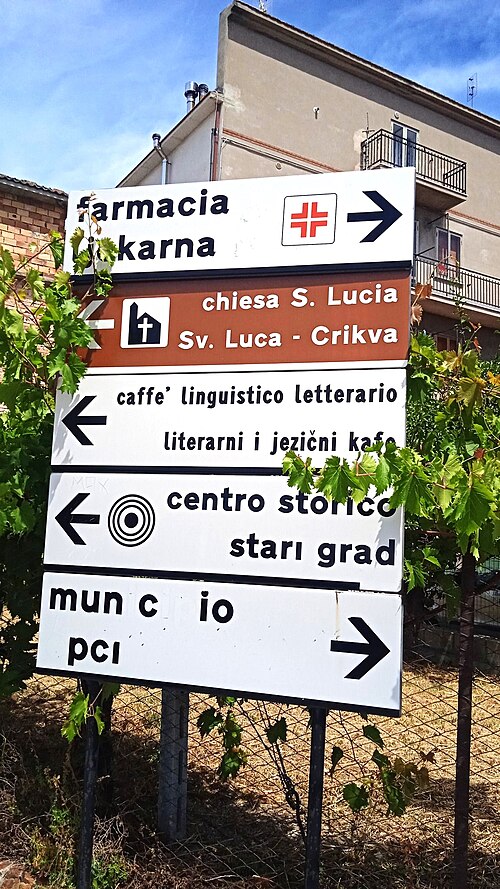
Walking through the villages, visitors encounter bilingual street signs, Croatian place names and a cultural identity that remains deeply rooted in its Adriatic heritage. Local traditions, folk music, religious celebrations and family customs continue to reflect Croatian origins despite more than five centuries of separation from the homeland.
The origins of the community date back to a period of upheaval along the eastern Adriatic coast. Historians believe Croatian families crossed the sea to escape Ottoman advances, settling in sparsely populated areas of southern Italy where they rebuilt their lives. Isolated from Croatian territory, their language developed independently, creating one of Europe’s most distinctive linguistic communities.
Today, the Molise Croats number only a few thousand people, with significantly fewer fluent speakers of the traditional dialect. Like many minority languages across Europe, Molise Croatian faces particular challenges from migration, ageing populations and the dominance of national languages, raising concerns about its long-term survival.
recognition from both italy and croatia
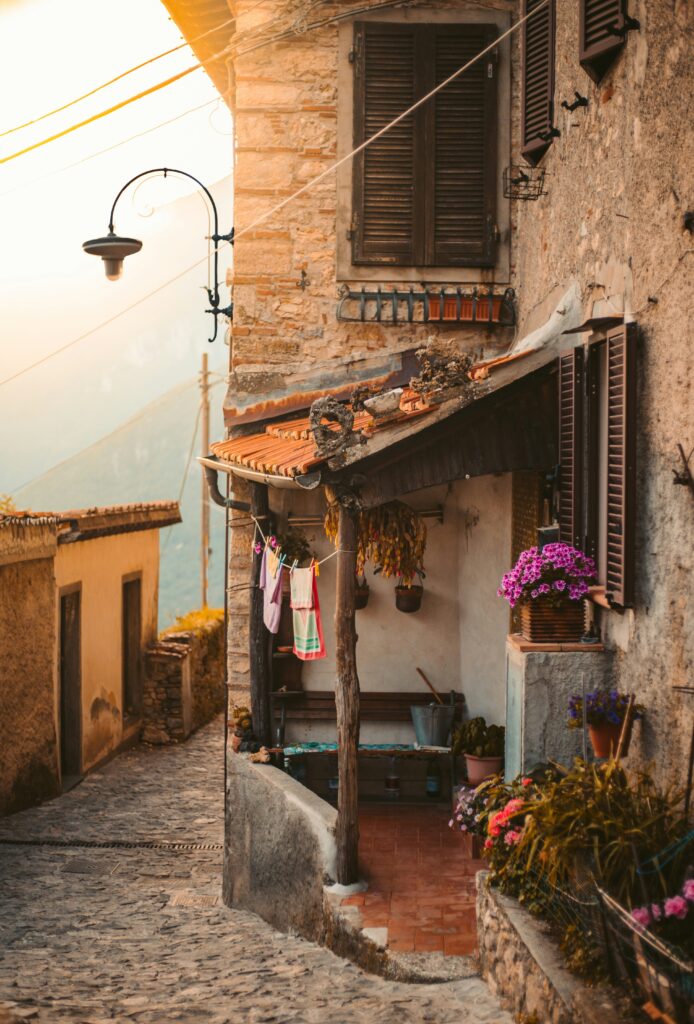
Both Italy and Croatia recognise this special community as an important historical and linguistic minority. Cultural associations, schools and local organisations continue working to preserve the language through education, festivals and exchanges with Croatia, while bilingual signage and official recognition help keep the heritage visible.
For many visitors from Croatia, these remarkable old villages offer a truly unique experience: hearing echoes of a centuries-old Croatian dialect spoken in the very heart of Italy. It is a living reminder of the deep historical connections across the Adriatic and one of the most enduring examples of Croatian cultural heritage beyond the country’s borders.