August the 11th, 2026 – Zagreb might not have a metro network, but there’s a world under those tram tracks. Here’s how to explore the city below the city.
One of Zagreb’s most fascinating attractions lies out of sight, far from everything that has transformed the once overlooked Croatian capital into a hit city break. Underneath the streets lie a network of tunnels, shelters and passages, all hidden beneath the historic centre. The most famous and accessible of these is the weird and wonderful Grič Tunnel. Few realise however that this tunnel forms only one bit of a far more expansive underground saga, encompassing the horrors of war to a modern, swanky cultural space.
These odd and fascinating subterranean areas offer a different way to experience the capital. They provide a lot of relief with their much cooler temperatures in summer, as well as a handy shortcut through the heart of the city.
Grič – from protection from allied bombing to a quirky underground exhibition space
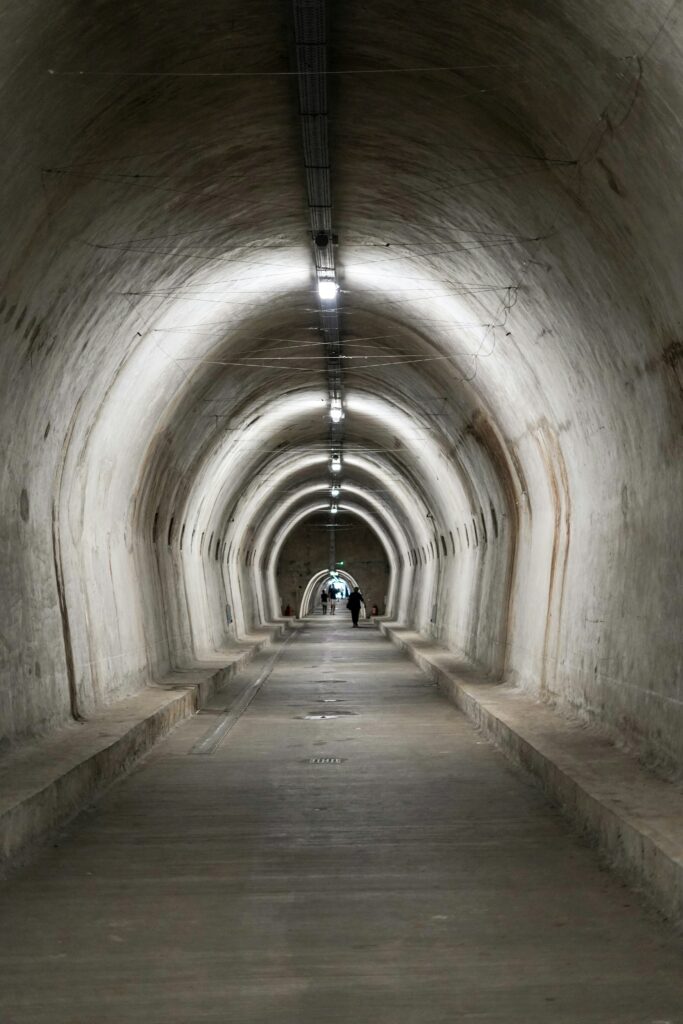
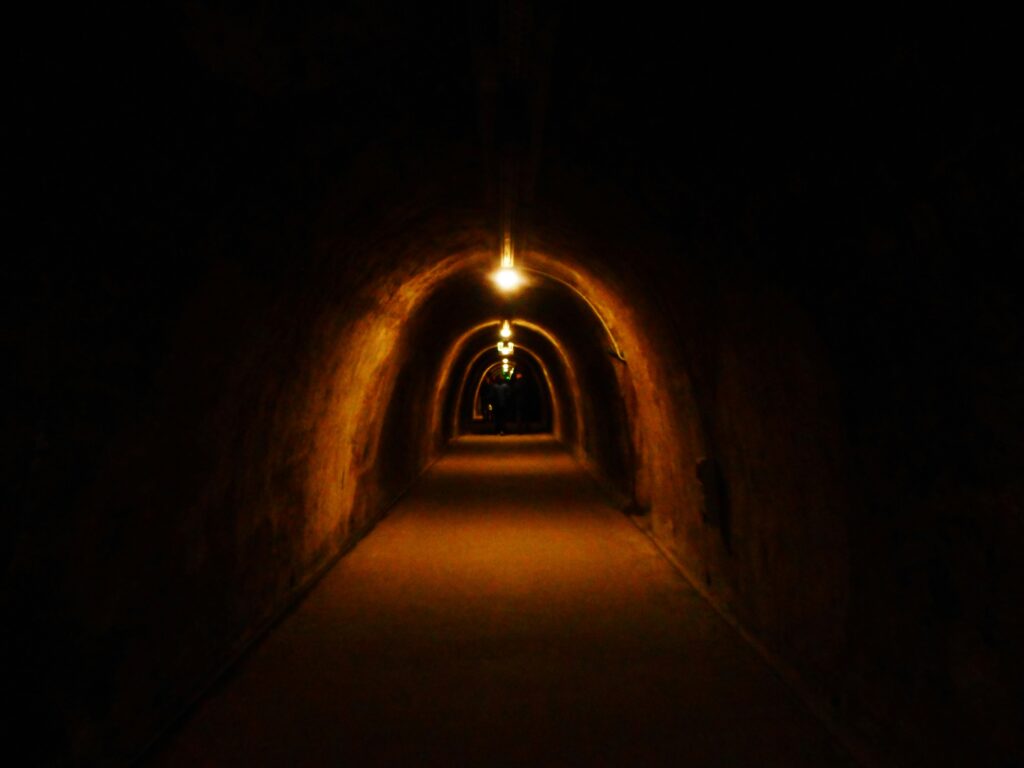
The Grič Tunnel is an underground artery stretching for approximately 350 metres deep beneath the historic Grič (Gradec) neighbourhood of Upper Town (or Gornji grad, if you want to go local). It connects the very old Mesnička Street on the west with Radićeva Street on the east, with southern exits leading towards Ilica and Tomićeva Street, including two that open into the Art Park near the funicular.
Construction began in 1943 during WWII, when Zagreb’s authorities at the time ordered the proper construction of a public air-raid shelter under the Upper Town hill in response to the threat of Allied bombing. Croatia, then the so-called Independent State of Croatia, was in a very precarious position politically, and found itself in serious danger from attack. Despite the end of that terrible war finally arriving in 1945, construction actually continued all the way until that year. It was projected and designed both as a protective space and a potential promenade or traffic corridor should it be needed. It fell into more or less total disuse after the end of WWII, serving at times as storage, occasional shelter, or simply remaining closed to the public entirely.
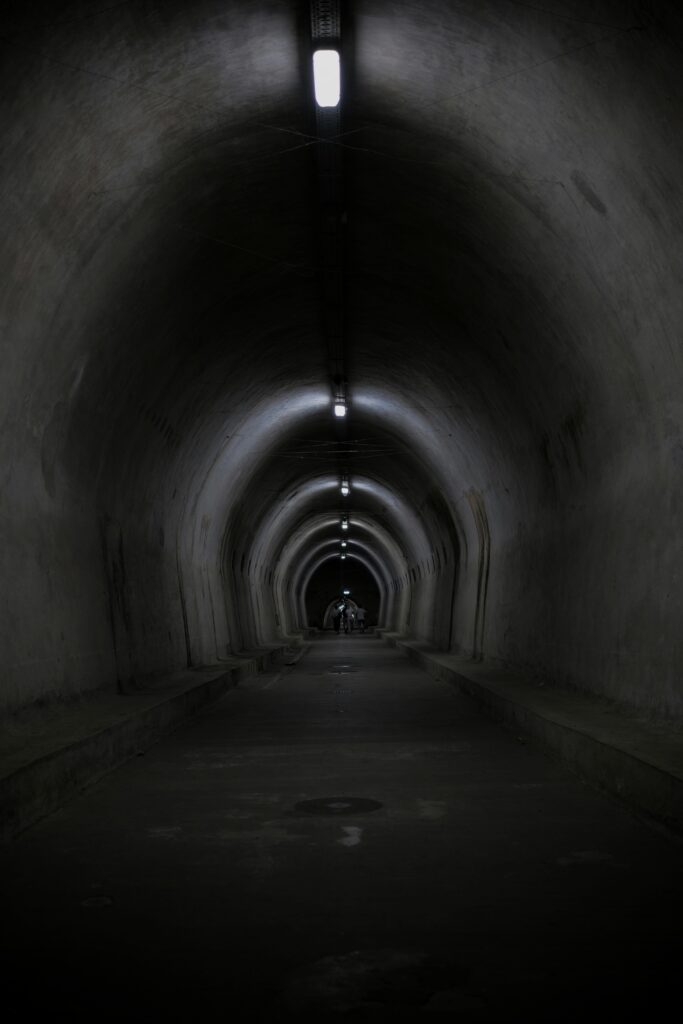
It became useful again as Croatia was fighting for its independence during the 1990s, acting as a shelter for civilians. In 1993, it even hosted the legendary Under City Rave, one of the first major rave parties in all of Croatia and an event that even drew attention from no less than MTV. Decades of neglect followed, with the city eventually deciding to renovate and open the tunnel to the public once again in July 2016. It now operates daily (typically 09:00–21:00) as a free pedestrian passage used daily by locals and visitors alike, as well as an occasional cultural event and/or exhibition space.

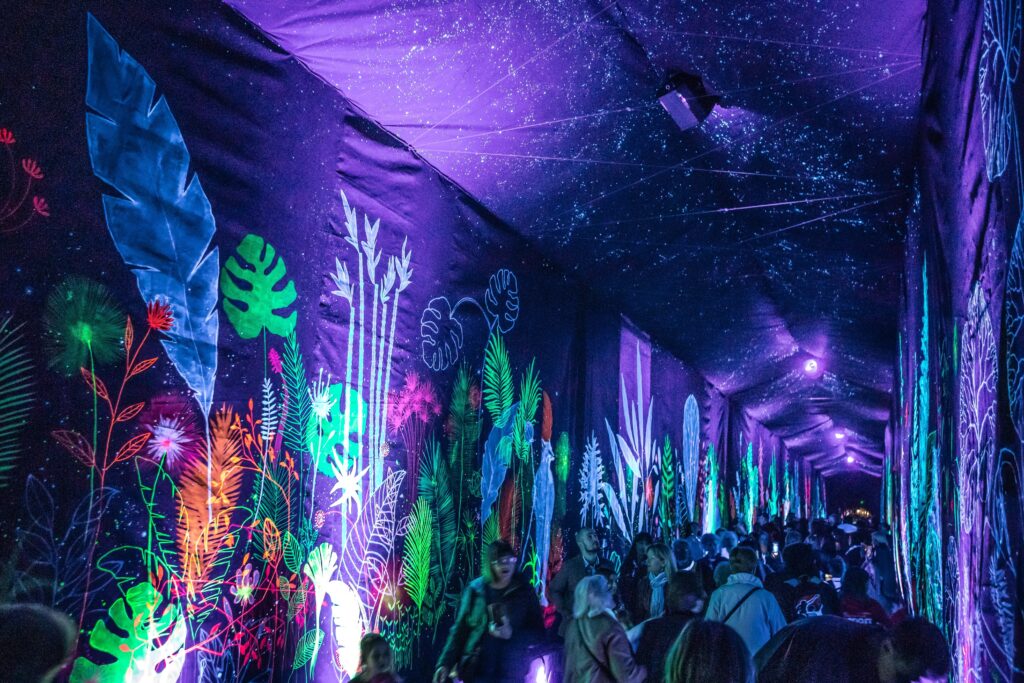
When it isn’t playing host to an art exhibition or an event, the tunnel’s thick concrete walls and dim lighting instantly reveal its original wartime purpose. In fact, even the original wartime signage remains there. The constantly cool temperature makes it a welcome escape from the scorching Croatian summer heat or indeed the tiresome winter rain that plagues Zagreb when the temperatures drop. During the much loved Advent in Zagreb, it is decorated with lights, installations and seasonal programmes, transforming this wartime structure into one of Zagreb’s more unexpected and highly unusual festive venues.
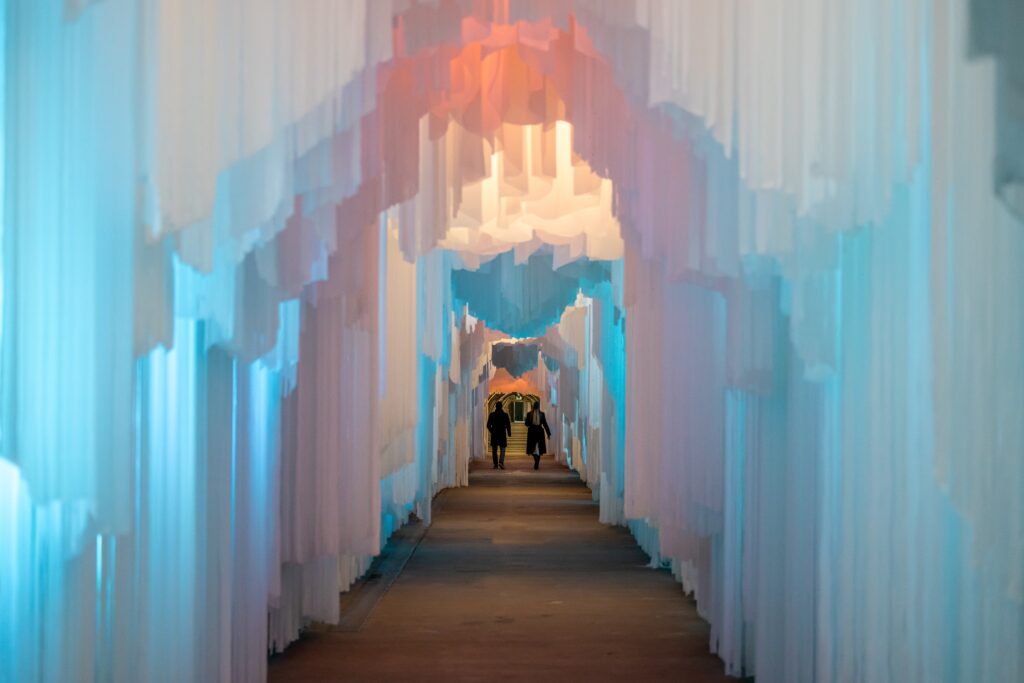
If you fancy a stroll through this wartime tunnel, the entrances are easy to find. Either head to Mesnička Street, the courtyard at Radićeva 19, Art Park (at which there are two entrance points), and of course – Ilica. Many people choose to combine the tunnel with a loop through Upper Town, emerging near Strossmayer Promenade, Lotrščak Tower or the historic St. Mark’s Square.
this tunnel wasn’t built in isolation…
While it’s true that the fascinating Grič Tunnel is the only totally public section of Zagreb’s wartime underground, it wasn’t constructed in isolation. Between 1943 and 1945, various other secret tunnels and shelters were excavated under Upper Town, intended both for civilian protection and official use. One parallel passage connects the area around Tkalčićeva Street with the famous Dubravkin put near Tuškanac. Others were connected to government buildings of the period. Most of them are now closed or restricted, their echoes of an uncomfortable past silenced with them.
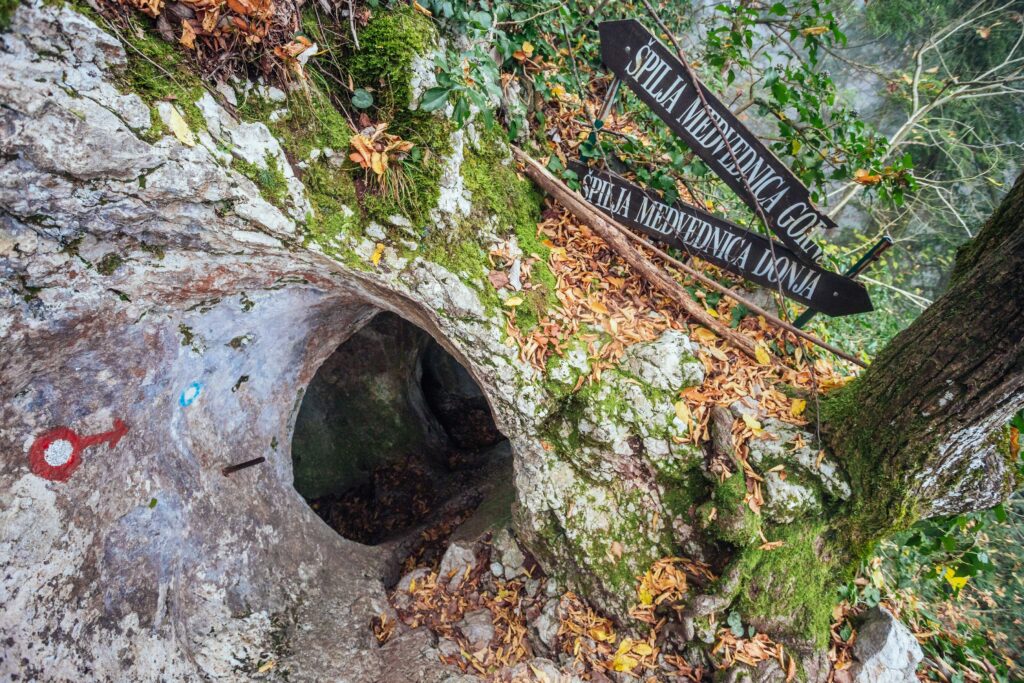
If you want to head outside of the city itself and spend some time in nature, then Medvednica is your best bet. While the panoramic views, nature and the chance to see all kinds of wildlife are all lures, there are wartime bunkers and tunnels on the northern slopes towards Medvednica, as well. That goes without mentioning the natural cave systems…
These include those located around the former Villa Rebar area. It does have to be stated that generally speaking, these tunnels aren’t open for casual tourism and some carry local legends of longer connecting systems. Stories of older, pre-20th-century passages, sometimes linked to medieval cellars, church treasuries or strange 19th-century-era freemasonry, circulate. There’s been no proof that this is what they were for, but what would a weird tunnel be, without a weird legend to go with it?
zagreb is a city of layers, both above and below the ground
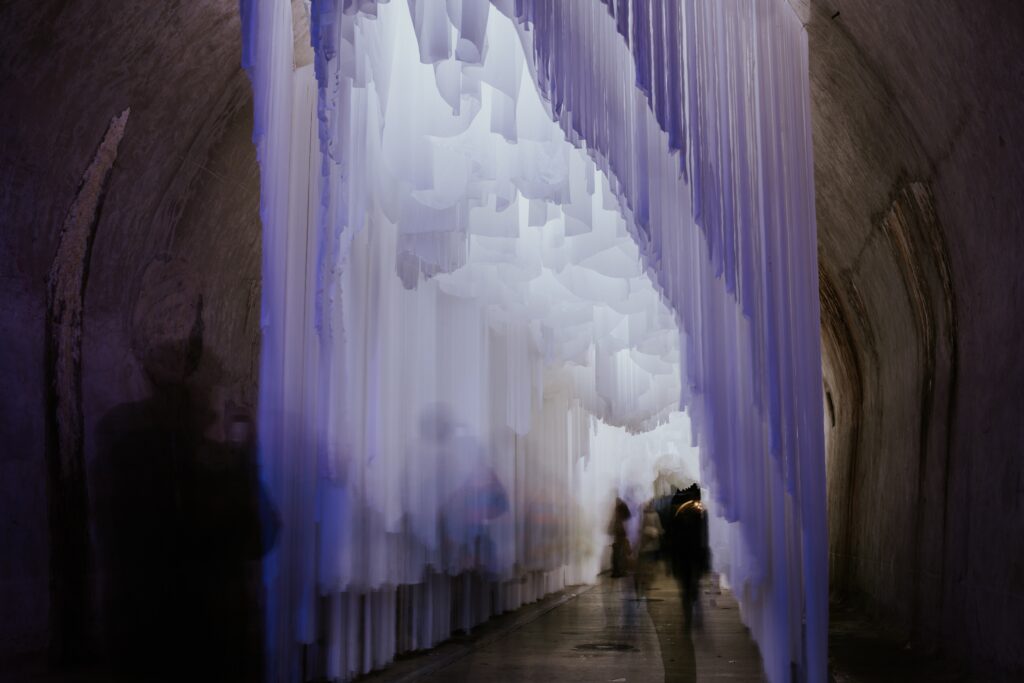
I’ve often said that Zagreb is a bit like an onion. In fact, I used that exact expression when describing the city’s architecture. It spans very old, Austro-Hungarian, socialist, brutalist, and ultra-modern. These styles are all contrasting, yet they somehow blend together effortlessly.
The same can be said about layers of history that form the underground world, deep beneath the plodding of shoes and the noise of tram tracks. Zagreb’s darker periods lie beneath the pavement. WWII ghosts can still be felt, and all the consequences that came with being an Axis country remain within the walls of these tunnels. Whether you fancy a stroll for the sake of it, or intend to visit to see an exhibition or an event, they’re absolutely worth seeing.
Interested in going even deeper, as it were? Look no further!