August the 10th, 2026 – Zagreb is one of the most heavily forested EU capitals, and the green heart of Zagreb acts as the lungs of the urban side’s beating heart.
Zagreb, much like Croatia as a whole, is very widely praised for its cafe culture, but you don’t need to be sitting in a busy city street to enjoy that coffee. Less celebrated, but equally defining, is just how green the city feels. Parks, gardens, lakes and densely forested hills weave through and around the capital, giving it (as touched on above) one of the highest concentrations of green space among EU cities.
For visitors, this means you can move from a museum, restaurant or old square to a lush, green meadow or park in mere minutes. Croatia is full of natural beauty, but when it comes to cities, these spaces are not an afterthought or somewhere forgotten by builders, they’re an absolutely central to the city’s identity and daily life.
The Green Horseshoe: Nature Woven into the City Centre
Turning the clock back to the late 19th century, celebrated urban planner Milan Lenuci designed a U-shaped sequence of parks and squares that still frames the Lower Town (Donji grad). Known locally as Lenuci’s Green Horseshoe (or, if you want to get even more local: Zelena potkova), it connects promenades, blooming flower beds, monuments and grand public buildings into a continuous green corridor stretching for roughly 1.2 miles.
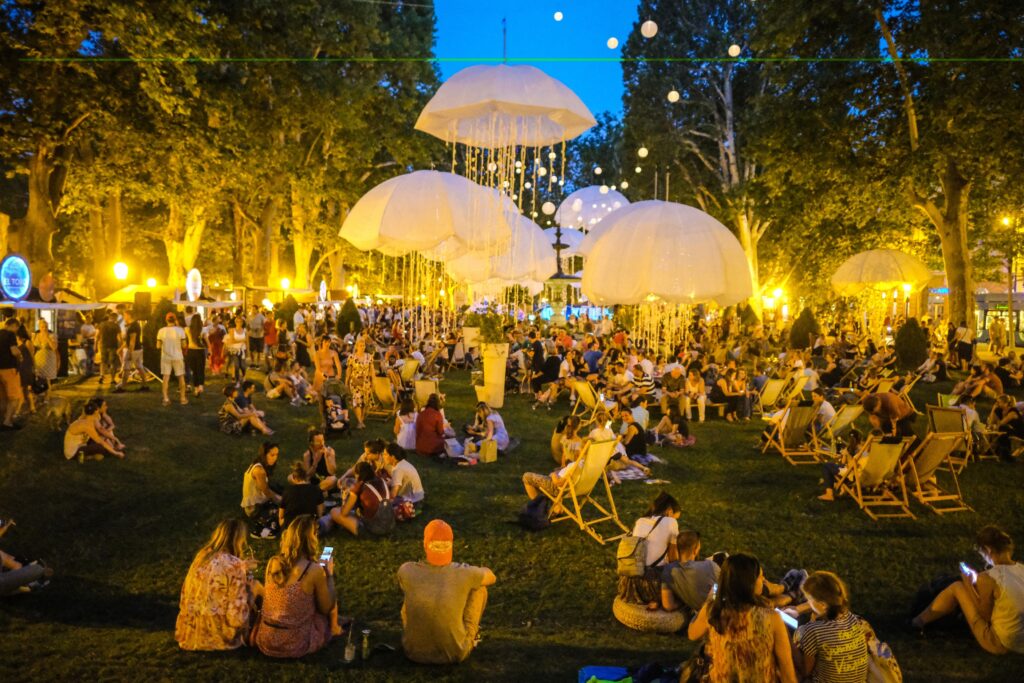
Zrinjevac is arguably the most atmospheric part of all. Just a short walk from the hustle and bustle of Ban Jelačić Square, an oasis awaits. It features towering mature plane trees, flower beds, fountains and a distinctive cast-iron music pavilion. During the summer, the pavilion hosts open-air concerts and free dance evenings; locals and visitors gather for waltz, swing or salsa under the trees. The scorching Croatian summer heat is calmed by the trees and thick plant life. The sequence continues near Strossmayer Square and King Tomislav Square, all the way to the main railway station (Glavni kolodvor), with statues, shaded walkways and seasonal colour. During the much cooler winter, Tomislav Square transforms into a ice rink; while swapping out its winter attire to serve as an open stage for classical concerts in summer.
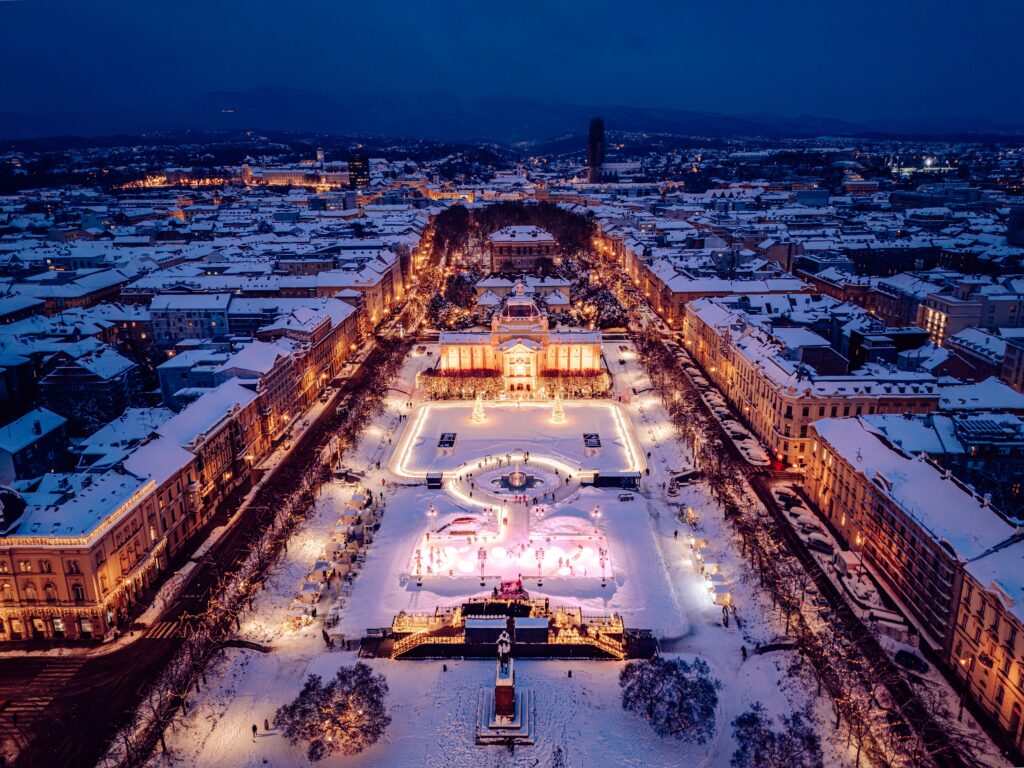
These central parks reward unhurried wandering. They are places to sit with a coffee, watch the city pass by, or simply appreciate how thoughtfully nature was integrated into Zagreb’s 19th-century expansion.
zagreb’s botanical garden

At the southwestern end of the Green Horseshoe sits the Zagreb Botanical Garden (Botanički vrt). It was formally established back in 1889 by Professor Antun Heinz of the University of Zagreb, and opened to the public in 1891. Spanning about five hectares, it is both a scientific institution and a public garden of real charm.
The layout mixes English landscape style, long, winding paths, irregular plantings and a substantial arboretum with a more formal French-style parterre of flower beds. Collections include native Croatian flora, alpine and Mediterranean plants, aquatic species, conifers, and exotic trees and shrubs from all around the world. Estimates of the plant holdings range from several thousand to over 10,000 taxa, including many protected and endemic species. Small lakes with bridges, a rock garden and historic glasshouses (including a house for the giant Amazonian water lily Victoria amazonica) add to the allure.
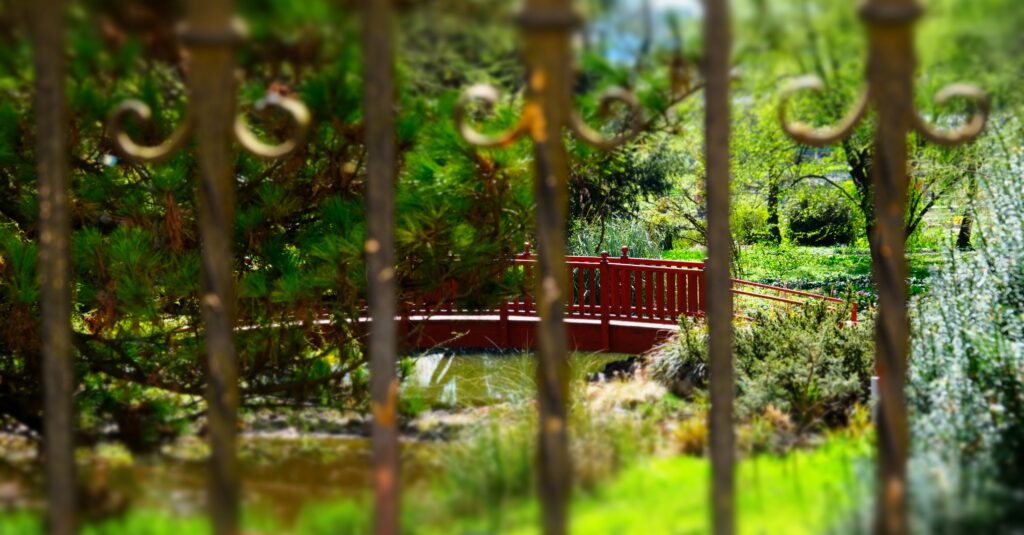
The garden is compact enough to explore in an hour or two yet rich enough to reward slower visits. It’s open seasonally (typically from April to early November, with limited winter opening in particularly calm, good weather) and charges a modest entrance fee. Located a short walk from the main train station, it is one of the easiest major green spaces to reach.
the legendary (and gorgeous) park maksimir

East of the city centre lies Maksimir, the city’s largest, most famous, and most beloved park of all. Founded on the initiative of Bishop Maksimilijan Vrhovac and opened to the public back in 1794, it was the first large public park in all of southeastern Europe at the time. Spanning roughly 316 hectares (about 780 acres or so), it is comparable in scale to some of the grand European landscape parks and remains a protected monument of garden architecture and cultural heritage.
Originally conceived with baroque elements and later reshaped in the English Romantic style under Bishop Juraj Haulik, Maksimir combines broad meadows, mature oak and hornbeam woodland, five artificial lakes, streams, pavilions and long tree-lined avenues. Historic structures like the Swiss House, the Echo Pavilion and lookout points still stand. Wildlife of all kinds absolutely thrives here, with the park a well known habitat for birds, including rarer species.
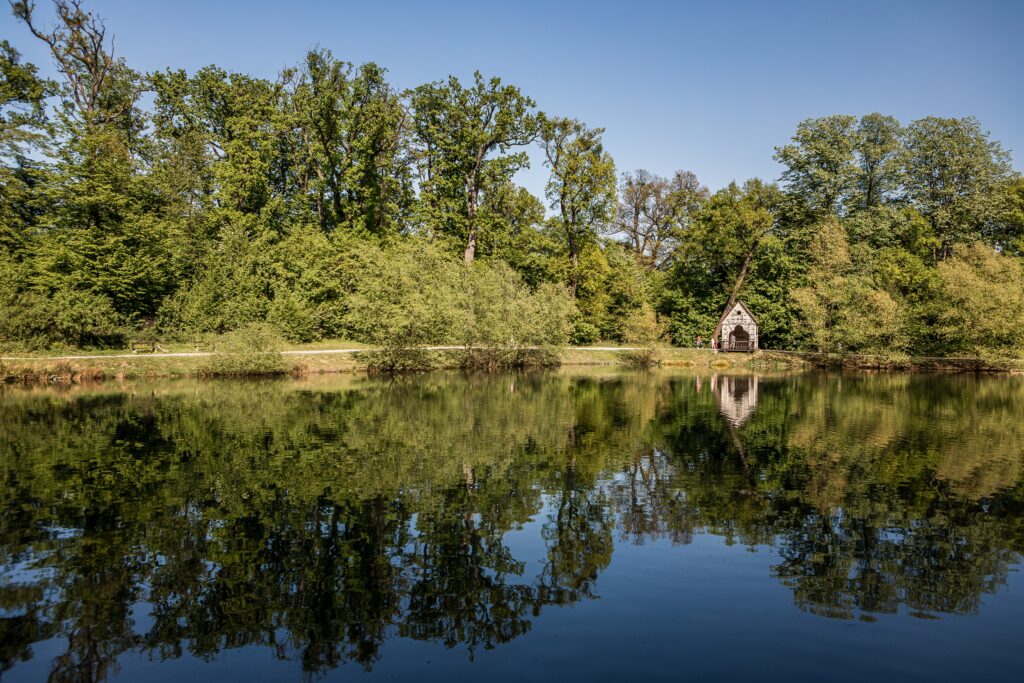
Within the park sits Zagreb Zoo, one of the oldest in the region (opened 1925), home to lions and all kinds of other animals you (thankfully) wouldn’t bump into in a cafe.
Families come for the playgrounds and lakeside walks; runners and walkers use the extensive paths; picnickers claim the grass on weekends. Trams (lines 4, 7, 11 and 12 among others) make it straightforward to reach. Maksimir feels both historic and lived-in. It’s a genuine city park that has adapted to changing fashions while retaining its charming, grand 18th- and 19th-century character.
the city of lakes – meet bundek and jarun
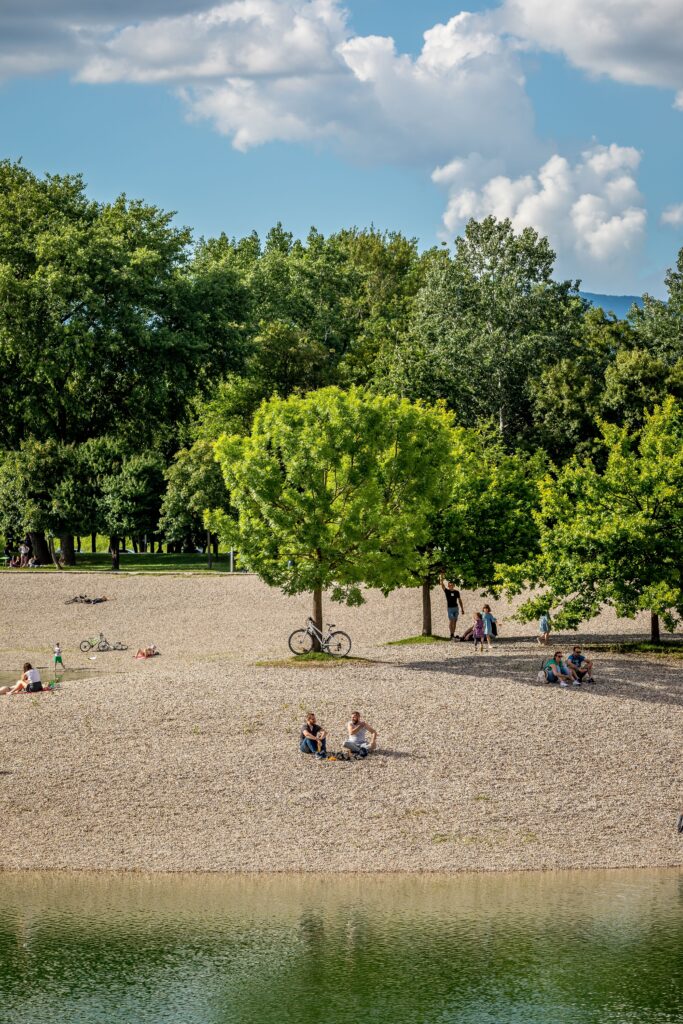
South of the centre, the winding Sava River corridor offers a different kind of green space with a distinctly more recreational and watery character.
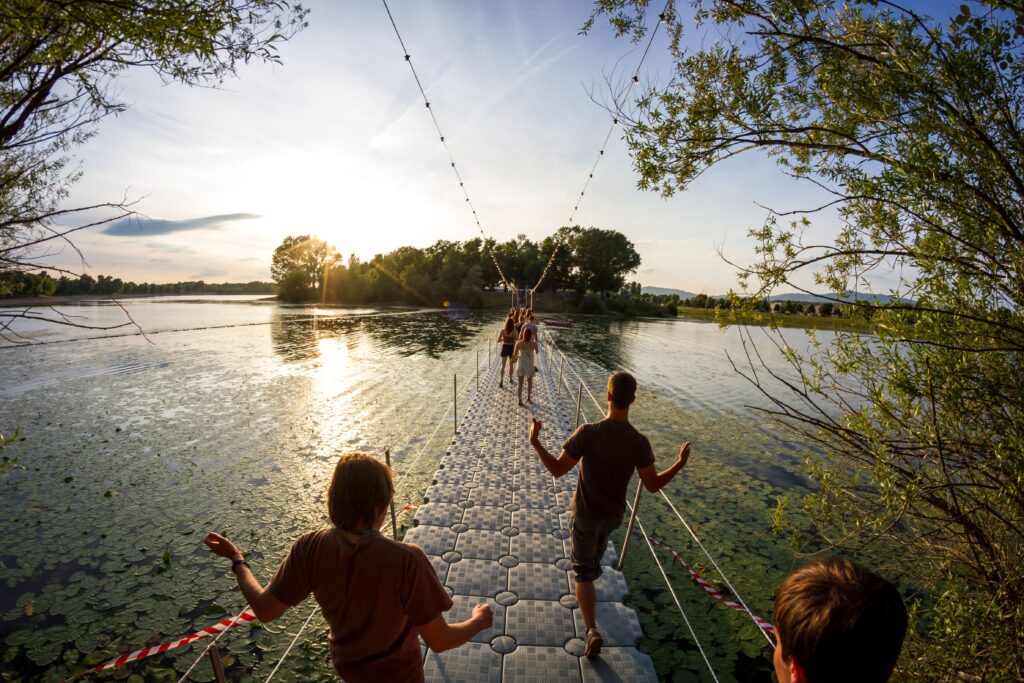
Bundek Park in Novi Zagreb sits between the Liberty (Most slobode) and Youth (Most mladosti) bridges. It centres on two expansive lakes surrounded by walking and cycling paths, meadows, playgrounds, sports courts and barbecue areas. Significantly renovated back during the mid-2000s, it has become a beloved for families, picnics and summer swimming (with lifeguards on the larger lake during the hotter season). An open-air stage hosts events, including the Pop Up by the Lake festival. Its proximity to the city centre (a short bus ride from the main station) and relaxed atmosphere make it especially popular with locals.
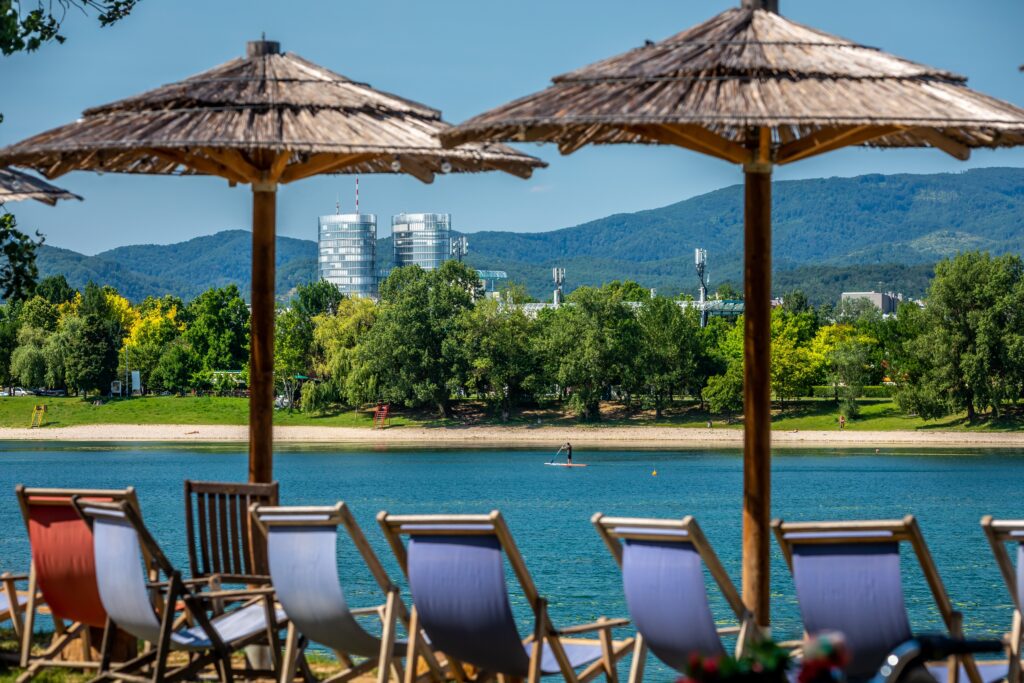
Jarun sits further west and is often called Zagreb’s very own “sea”. This large artificial lake is ringed by paths popular with cyclists, runners and more. Islands, beaches, cafes, outdoor gym equipment and sports facilities give it a lively, active character. During the summer, it is a major venue for outdoor living; it also hosts the INmusic festival. Trams 5 and 17 serve the area. Where Bundek feels more intimate and family-oriented, Jarun offers scale and a truly energetic feel. Together, the two lakes give Zagreb something very few inland capitals possess: genuine waterside recreation within easy reach of the busy urban core.
bear mountain – medvednica has always had zagreb’s back (quite literally)
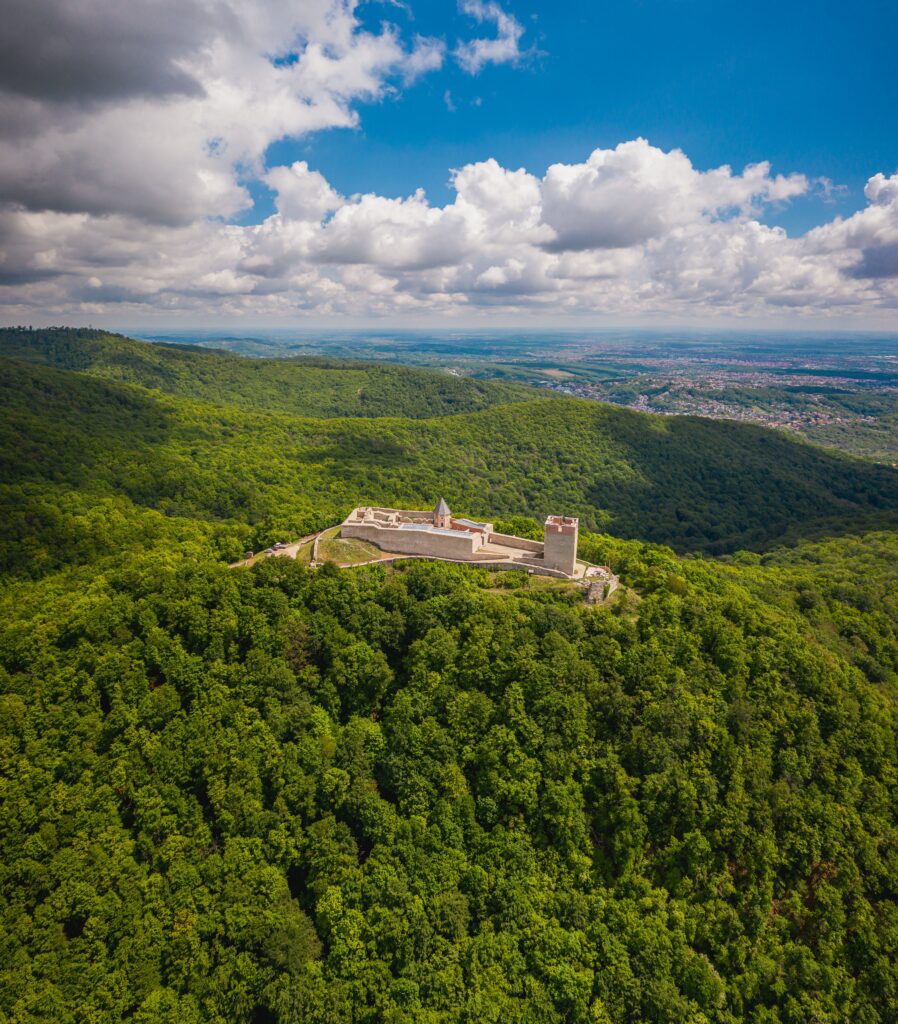
Just north of Zagreb rises Medvednica, a densely forested mountain and protected nature park that functions as the city’s great outdoor backyard. Its highest peak, Sljeme, stands at 1,033 metres. The park is home to dozens of marked hiking trails of varying difficulty, mountain lodges serving traditional food, the medieval fortress of Medvedgrad, the Veternica cave, and viewpoints that look back over the entire city.
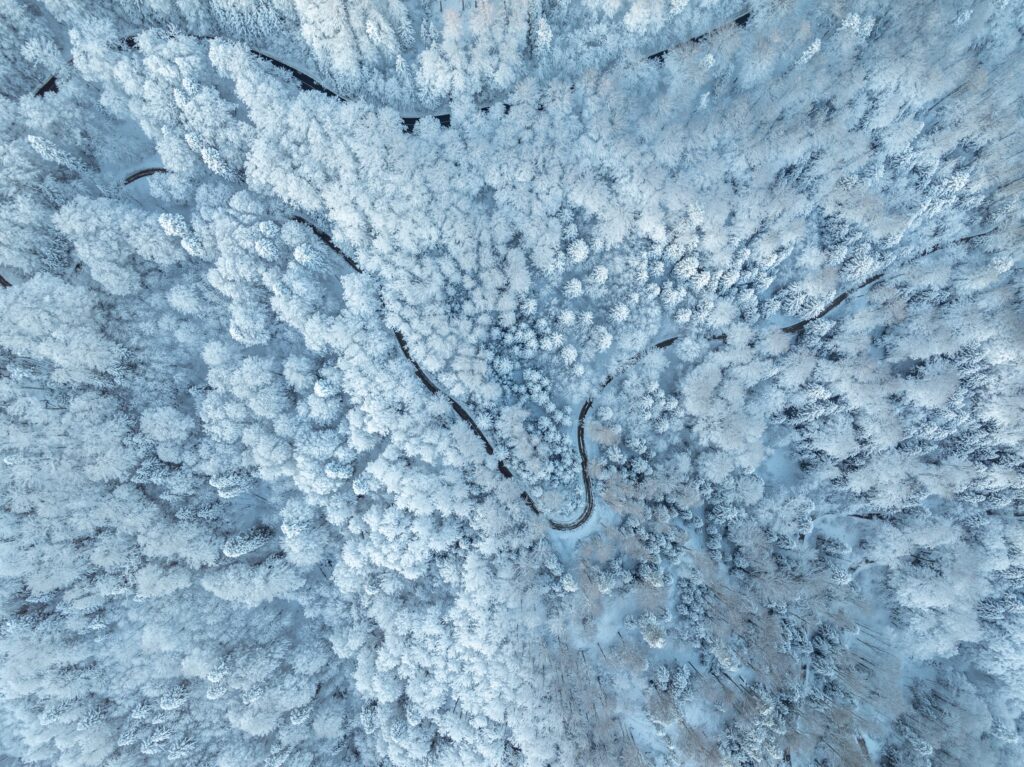
Popular routes include the gradual Leustek trail and the steeper Bikčević trail toward the summit or lodges such as Puntijarka. Medvedgrad itself is a rewarding shorter destination, combining history with panoramic views. In winter the upper reaches attract skiers and sledgers; year-round the forest offers cool shade and clean air. Public transport (tram to Mihaljevac followed by bus, or the Sljeme cable car) and road access make it straightforward for visitors without a car. Few European capitals can claim a proper mountain nature park so close to the centre. For many Zagreb residents, “going to Sljeme” remains a ritual escape.
Though named after the populations of brown bears that once called it home (in Croatia, bear is medvjed), you won’t find them there now. As Zagreb expanded and grew, the bears retreated to more remote areas. If you do want to see them – head to Lika!
honestly, you can’t even name them all…
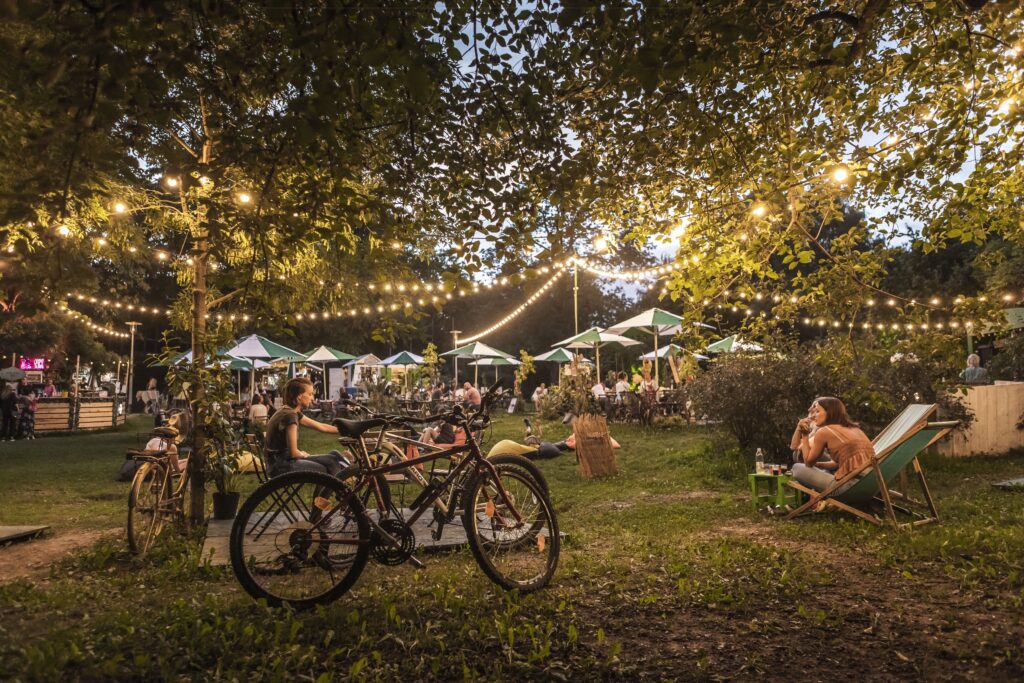
Beyond these major sites, Zagreb is sprinkled with additional green spaces. Ribnjak Park near the cathedral offers a more intimate central oasis. Tuškanac and Cmrok on the northern slopes provide wooded walks and, in winter, popular sledging slopes. Mirogoj Cemetery, designed by Herman Bollé, is as much a landscaped park and open-air architectural gallery as a burial ground, with arcades, monuments and mature trees.

Most city parks are free to enter, but the Botanical Garden and Zagreb Zoo charge modest fees. Public transport (trams and buses) reaches nearly all the major sites efficiently; walking and cycling are excellent options for the central Green Horseshoe and the lakeside paths. Spring brings blossom and milder temperatures; summer is ideal for the lakes and shaded trails; autumn colours are spectacular in Maksimir and on Medvednica; winter has its own quiet beauty, especially after snow has fallen.
zagreb gets hot, but it would be far hotter without these green spaces
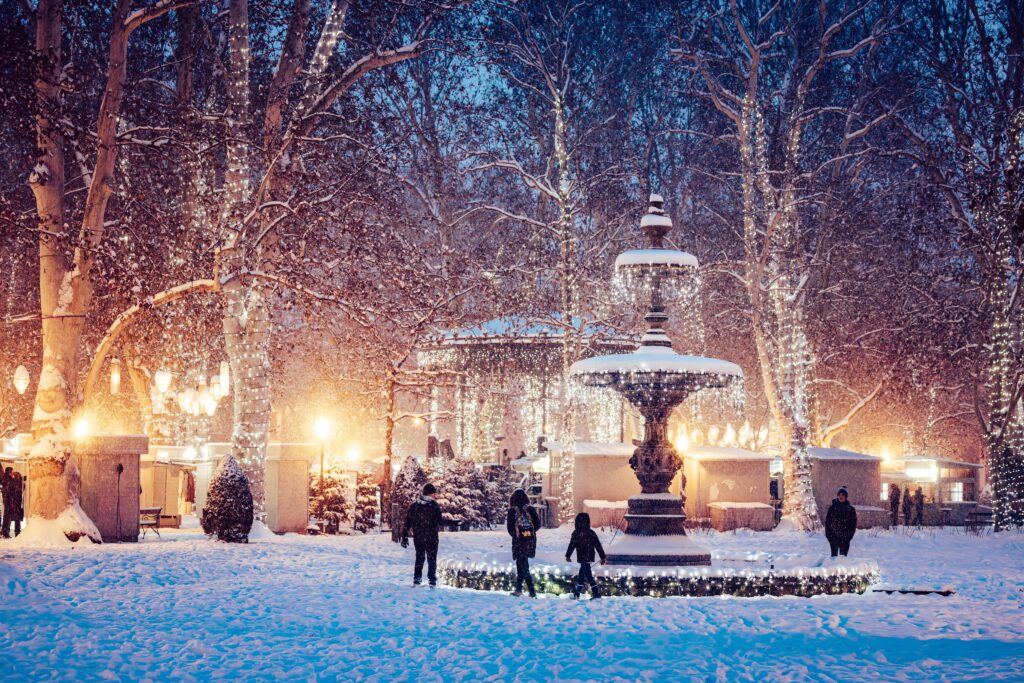
The above photo likely doesn’t stir up mental images of sunscreen and t-shirts, but we won’t sugarcoat it – Croatia is extremely hot in summer. Zagreb, far from the sea breeze, can become absolutely stifling. This is where the functionality of these green spaces come to the fore. Zagreb’s green network is not merely decorative. It cools the city down, supports biodiversity, provides everyday recreation for residents and offers visitors an immediate sense of the city’s character.

You can step out of a cafe on the main square and be under the protective shade of tall plane trees within minutes, or leave the centre and be hiking forest trails and bumping into deer an hour later. That accessibility is rare and worth experiencing deliberately when in Zagreb. Everyone can become sick of the sound, pace and stress of the city, but you can’t always escape it as easily as you can here.
Whether you prefer the grandeur and elegance of Zrinjevac, Maksimir’s sprawling trails and numerous lakes, the energy of Bundek and Jarun, Medvednica or anywhere else, Zagreb’s green spaces should enjoy much more attention than they get.