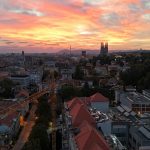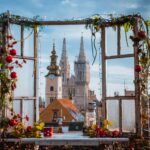

July the 16th, 2026 – The architecture in Zagreb is fascinating, precisely because each building is a permanent signature from an array of eras and regimes.
Zagreb is a city that has always been situated at an interesting crossroads. In fact, the very same could be said about Croatia as a whole, as it has always found itself in a somewhat precarious position, lodged between warsome empires and on an important maritime trade route.
Zagreb in particular could be described as an architectural melting pot. A leisurely stroll through the quirky Croatian capital city will have you transport way back to the mighty Austro-Hungarian Empire, to the socialist era with all of its concrete squares, to the ultra-modern, rich in minimalism and glass.
the architecture in zagreb reveals a city of many layers
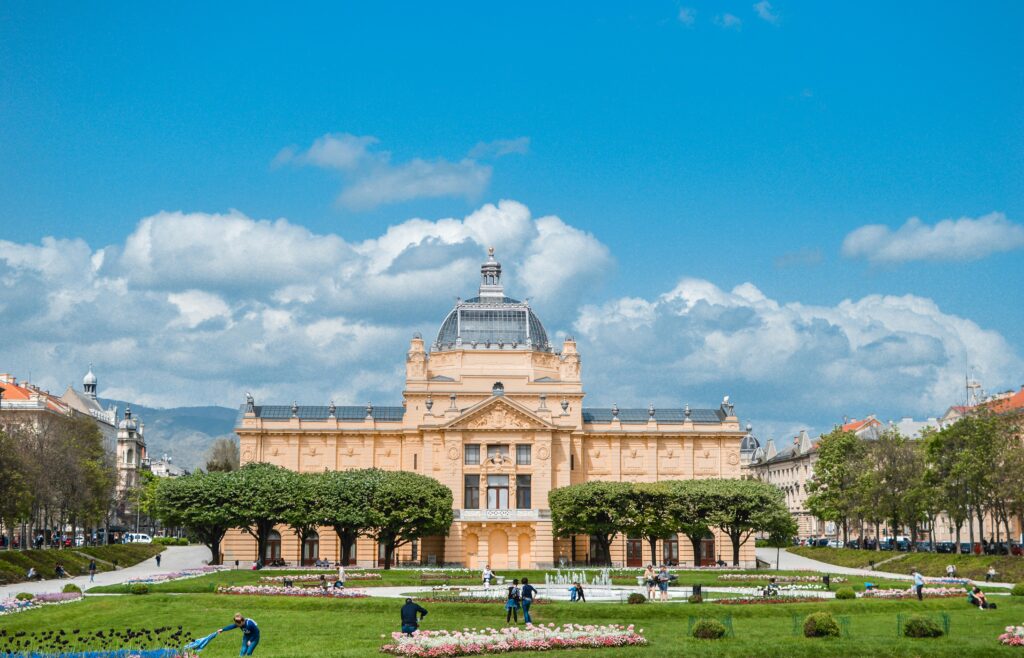
If you were to ask us, we’d call Zagreb a city of layers. It’s a bit like an onion. You could find yourself within a maze of old, medieval streets, and then launched into the era of Austro-Hungarian grandeur. You could be sipping coffee surrounded by classic Art Nouveau construction, topped off with a few modernist landmarks and contemporary design. All of these seemingly conflicting styles manage to coexist, and very well, within a very compact centre.
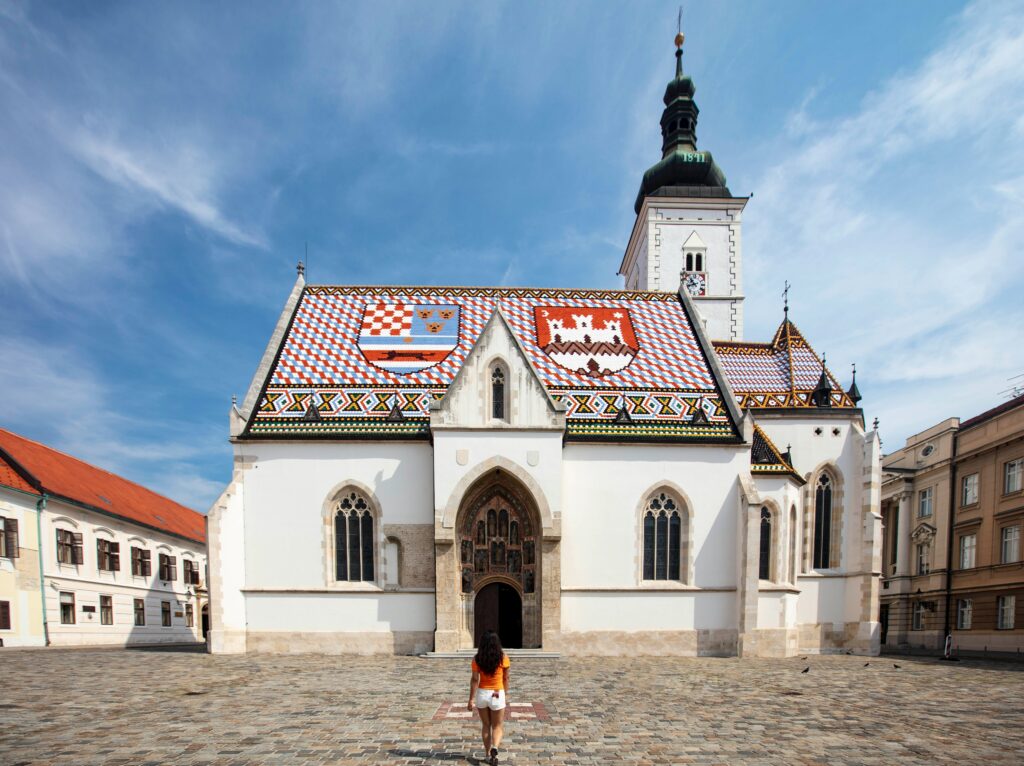
To really get to grips with the architecture of Zagreb, we need to begin in the old Upper Town (Gornji Grad), where Zagreb as we know it today initially took shape around the two medieval settlements of Gradec and Kaptol. Old streets, imposing stone gateways and historic churches offer a glimpse into the city’s years of infancy, with the famous St. Mark’s Church standing out as one of its most recognisable landmarks of all. This church is known across the world for its entirely unique, bright and colourful tiled roof. It proudly depicts the coats of arms of Croatia, Dalmatia, Slavonia, as well as that of the City of Zagreb.
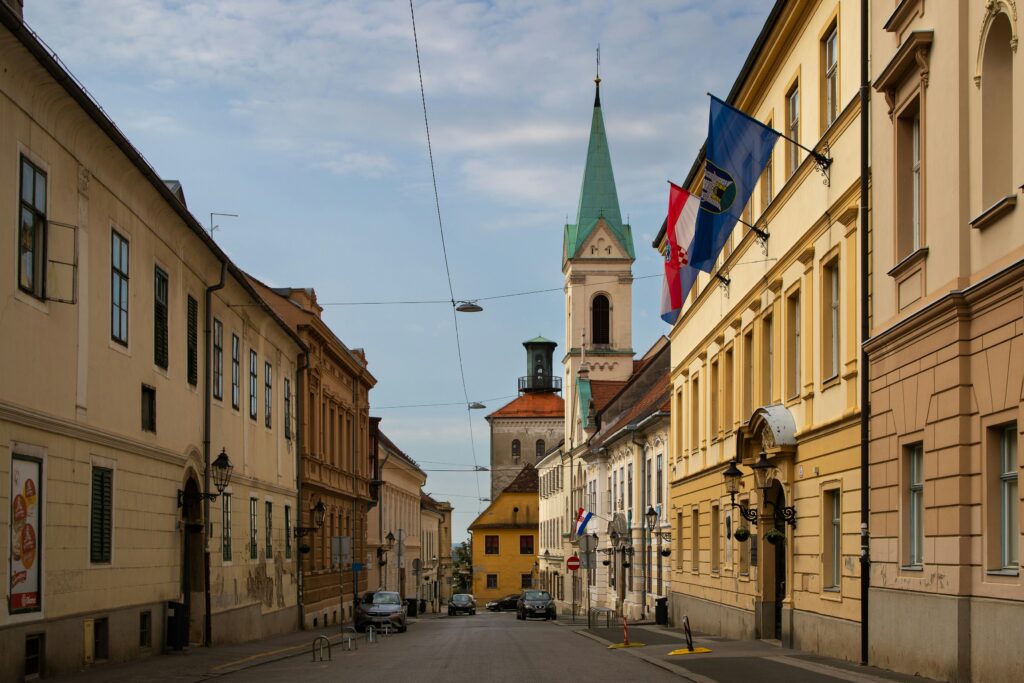
An enormous amount of Austro-Hungarian influence took the Zagreb area by storm during the late 19th century. Much of the city has retained that iconic character, and the empire had by far the most lasting effect on Zagreb as it looks to this very day.
1880 and the devastating earthquake that altered the city’s path…
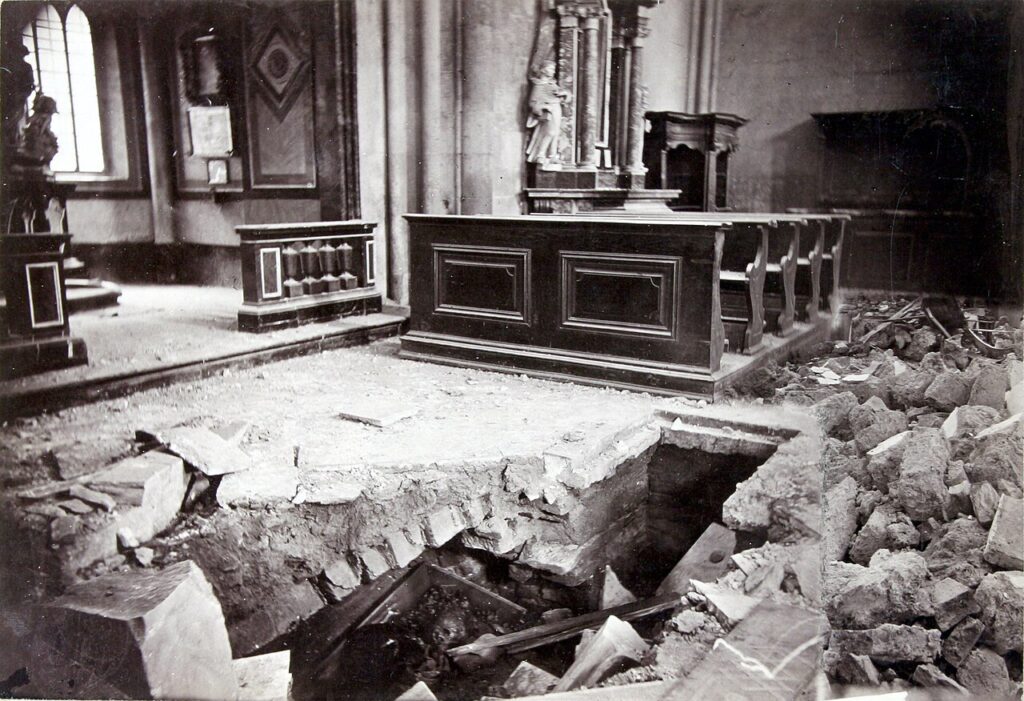
Had it not been for the terrible earthquake of 1880, the powers that were Zagreb would likely have never deemed it remotely necessary to alter much at all. That devastating natural disaster did strike the city, however, which set it on the path of an ambitious reconstruction programme. Eventually, those extensive city-wide works transformed it into a modern, bustling European capital.
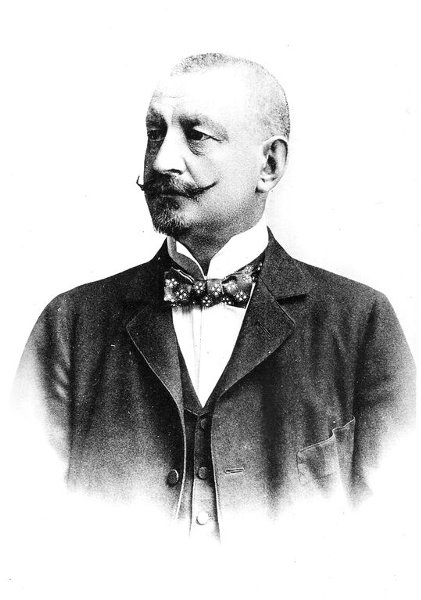
Leading Croatian urban planner and Karlovac native Milan Lenuci played a critical role in shaping the “new” city of Zagreb through what is now known as the Lenuci Horseshoe. It’s a sequence of beautiful parks and squares, all lined with grand public buildings, museums and cultural institutions. It does have to be said that Zagreb is one of the most densely forested European capitals, teeming with parks and trees that offset the noise and pollution all modern cities unfortunately contend with in this day an age.
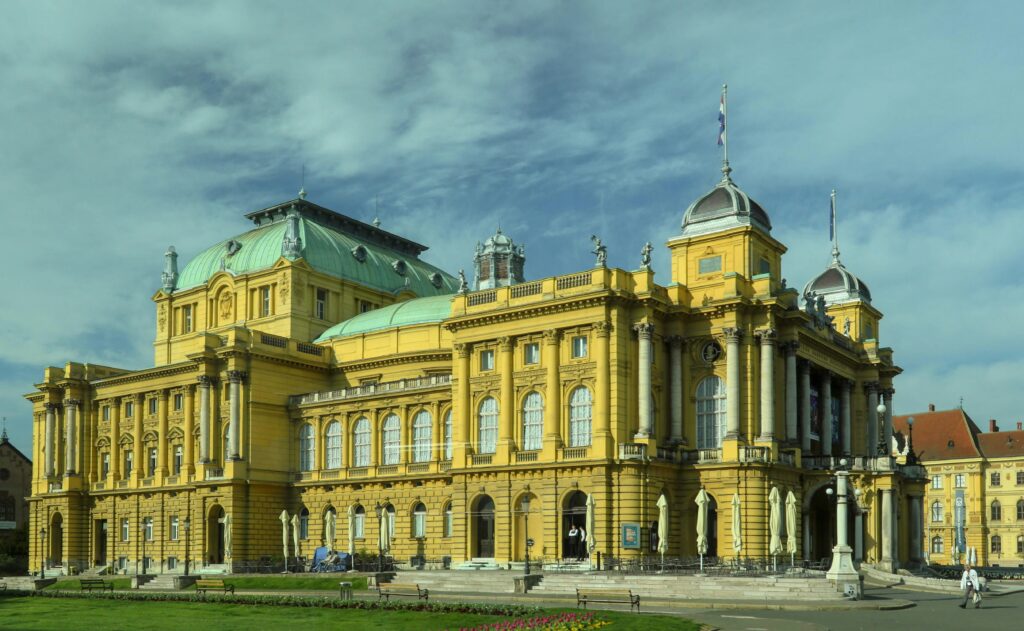
Among the finest examples of architecture in Zagreb is of course the beautiful buttermilk Croatian National Theatre. Finally completed in 1895 by the famed Viennese architectural duo Ferdinand Fellner and Hermann Helmer, it remains a highlight. The aforementioned duo built stunning theatres all across Central Europe, and the Croatian National Theature boasts the highly distinctive neo-Baroque façade the pair were so widely known for.
art nouveau makes an appearance in the croatian capital

Zagreb opened its arms to Art Nouveau (or should we say Secession, as it is known locally) at roughly the same time. Vjekoslav Bastl, another respected architect, became one of the movement’s leading figures, designing the Ethnographic Museum and the Kallina House on Masarykova Street. Decorated with colourful ceramic tiles, all sorts of floral motifs and elaborate ornamentation, the building remains one of Zagreb’s most impressive and well preserved Secession masterpieces. The same can be said for the beautiful Archaeological Museum with all of its intricate details.
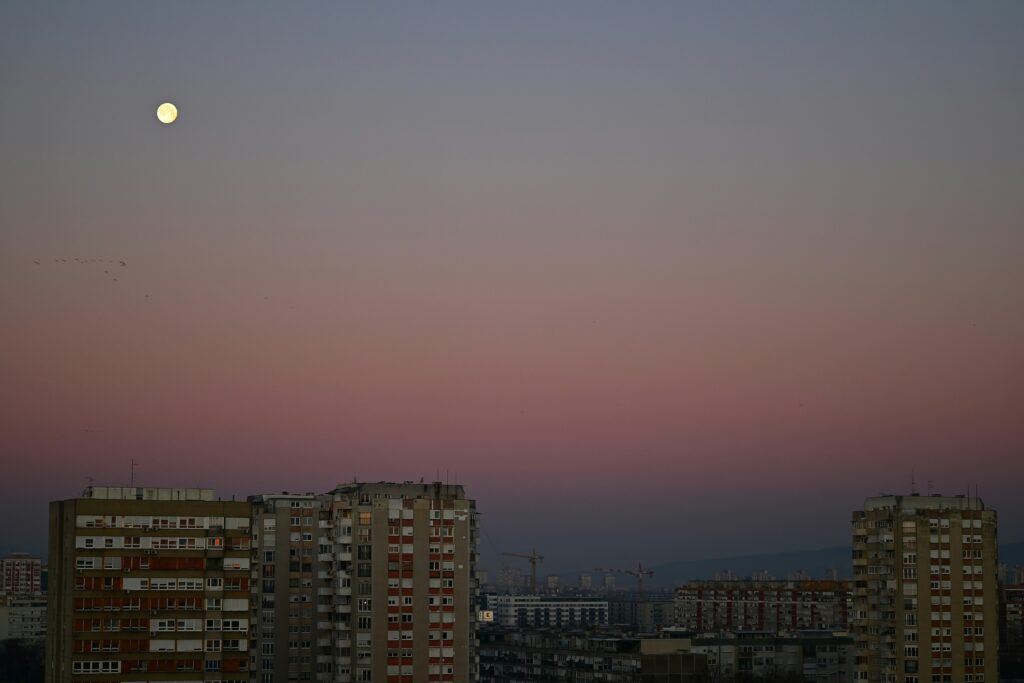
A new, ambitious generation of local architects emerged in Croatia and across Europe by the time the early 20th century rolled around. They famously embraced modernism and moved away from grand construction to a more simple but highly functional design. In this sense, no name stands out more strongly than the Zagreb-born architect Drago Ibler, who also founded the Zagreb School of Modern Architecture.
His incredible design reflected his overarching belief that architecture should prioritise function over decoration. It was precisely this approach, that was entirely different to all of the construction that had taken place across Zagreb in the many eras before Ibler arrived on the scene, that completely changed the city’s urban identity. All of this regeneration, as it were, took place between the two world wars which devastated Europe.
hello, modernism!
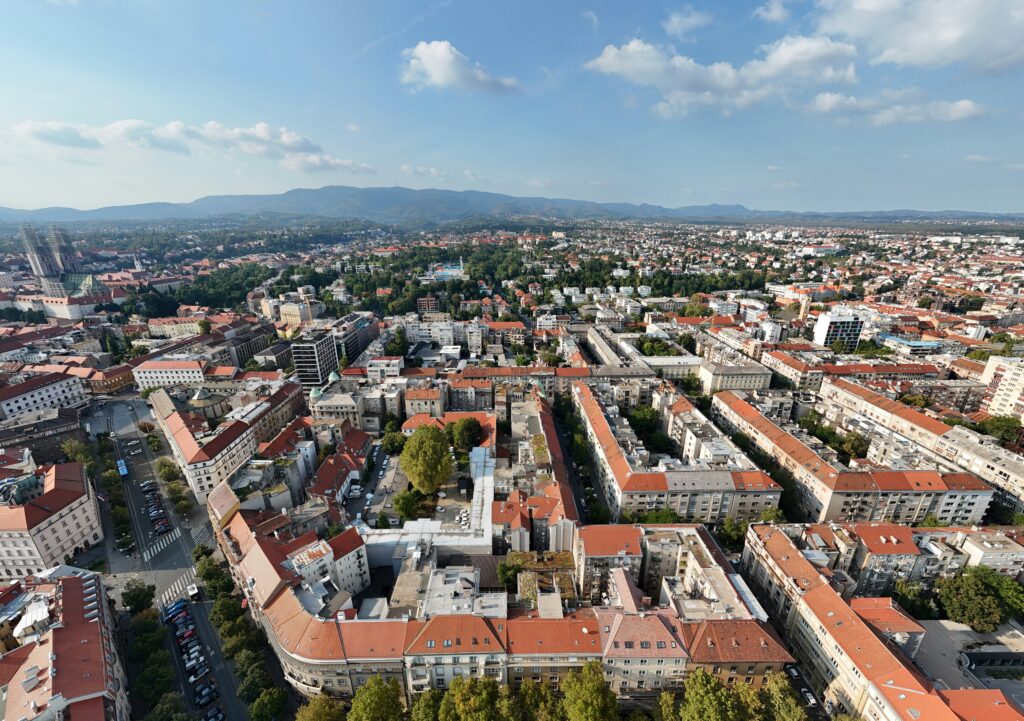
Stjepan Planić is the name behind Zagreb’s first real meeting with modernism. His residential buildings and public projects showcased the coexistence of elegance and functionality.
If you know anything at all about Croatian design, you might be wondering where one very, very famous name is among this list of talented Croatian architects and designers. It’s true that a conversation about Zagreb’s architectural heritage could never truly be complete without mentioning sculptor Ivan Meštrović. Although primarily celebrated for his sculpture and not for designing or building residential buildings, his vision birthed one of the city’s most unusual landmarks: the Meštrović Pavilion.
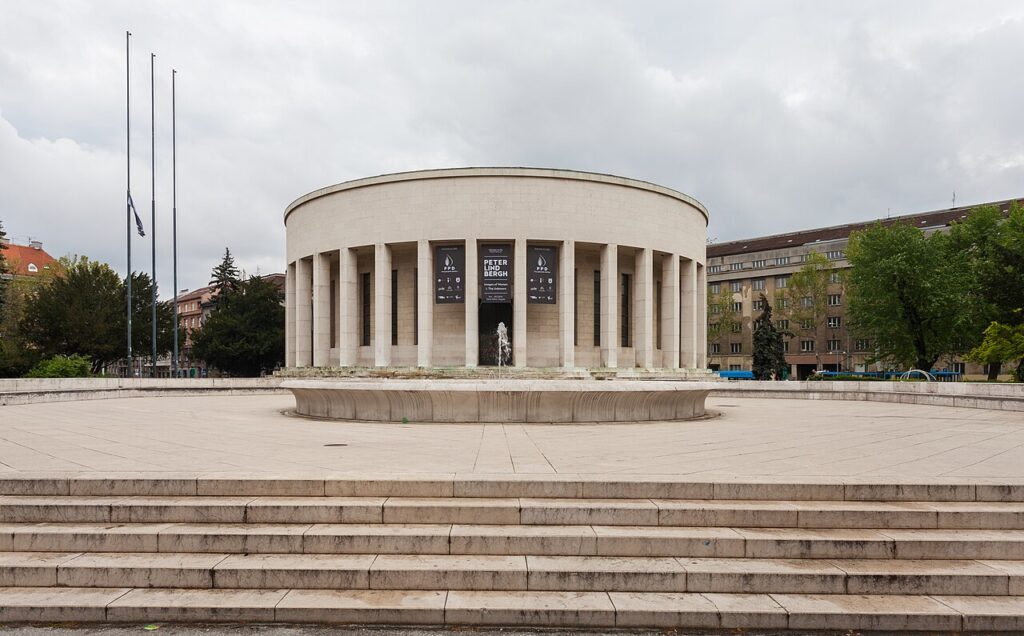
If you’ve spent any time in Zagreb, you’ll have noticed that this circular, admittedly somewhat odd structure doesn’t quite fit in with the rest. Even when taking into account Zagreb’s proverbial mixing bowl of Medieval, Austro-Hungarian, Art Nouveau, modernist, socialist and other styles, this building sticks out like a sore thumb (albeit a pretty one).
It was actually originally the work of Harold Bilinić and Lavoslav Horvat in 1938. This unique circular exhibition space has served various purposes throughout its history and today functions once again as a cultural venue. Following the war, Zagreb expanded quickly, producing ambitious examples of socialist modernism. The Zagreb Fair (Velesajam) introduced unusual exhibition pavilions, while New (Novi) Zagreb emerged across the Sava River as a showcase of large-scale urban planning, boasting broad avenues, residential tower blocks and sprawling green spaces dotted with trees and small parks.
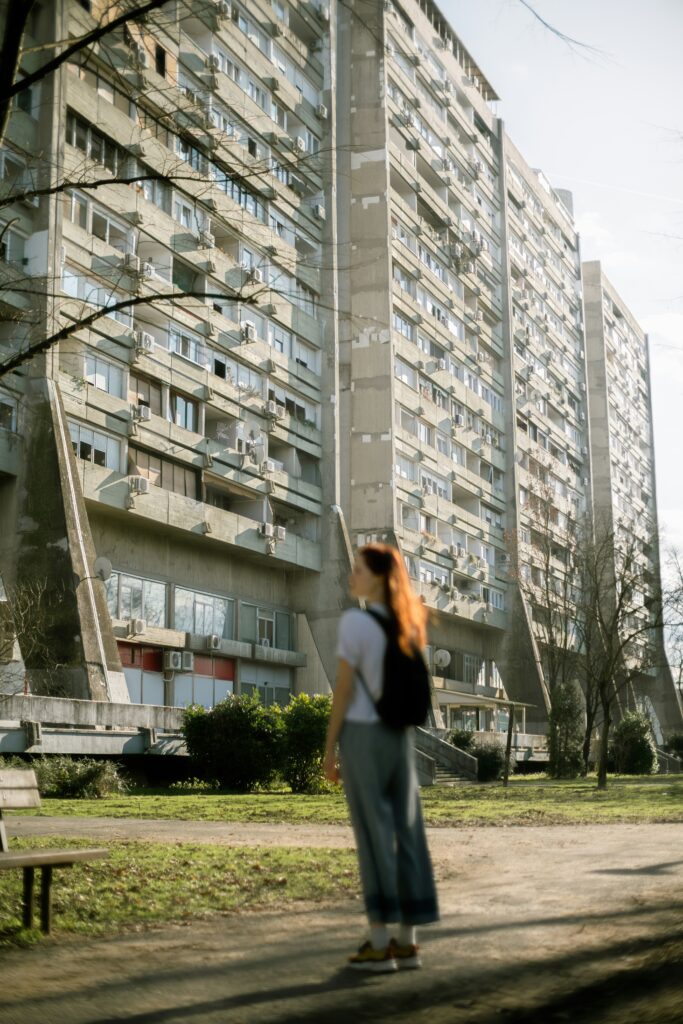
a city that successfully strikes the balance between the historic and the ultra-modern
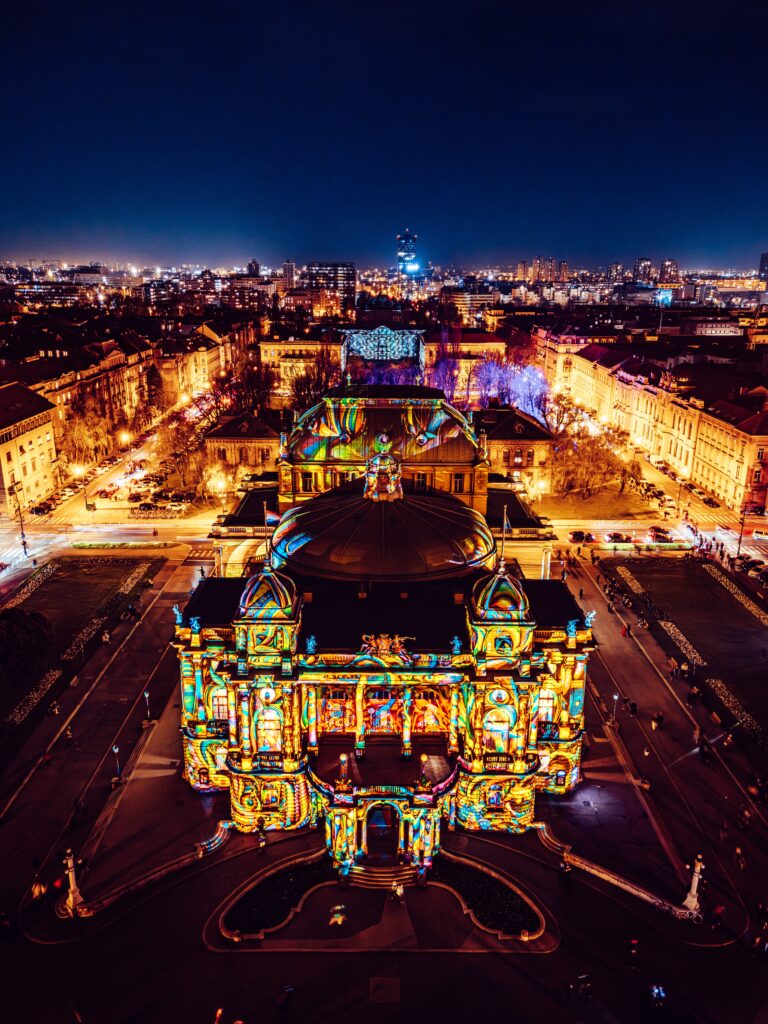
Fast-forwarding to the modern day, it’s easy to see that all sorts of new designs and contemporary architecture has penned new pages into Zagreb’s ongoing architectural story. It is all well showcased and reflected in the popular Museum of Contemporary Art, designed by architect Igor Franić and opened back in 2009. This well-frequented museum pays homage to the constantly evolving Zagreb, which is still undergoing renovation, reconstruction and embracing change to this very day.
European cities are known for their architecture. Across the Adriatic Sea in Pisa, the famous leaning tower is a lure for visitors. In London, there’s Big Ben, the Tower of London, and The Shard. Barcelona is home to the incredible Sagrada Familia. I could go on. The point here, is that very many cities across Europe are known worldwide for one or two iconic buildings.
Zagreb weaves a totally different story.

Amid modern glass buildings, you’ll find medieval churches within walking distance of Secession façades, grand Habsburg palaces neighbour socialist functionality experiments, all tied together with the proverbial ribbon of ongoing change. It wouldn’t be too adventurous to say that Zagreb actually tells the long, often turbulent story of Croatia itself, and through its many buildings attesting to many eras.
Zagreb and Croatia as a whole both bear the imprints (and indeed scars) of various empires, regimes, artistic styles and generations of visionary architects.