June the 23rd, 2026 – Deep in the heart of gorgeous Lika lies the vast Ličko polje, or the Lika plain, it is so vast in fact that you could fit the City of Split inside it six times over!
Far away from Croatia’s famous coastline and 1,000+ islands and islets lies a dramatic and usually bypassed landscape that offers a completely different experience of the country. Ličko polje, or the Lika plain, is one of the largest and most impressive karst fields in all of Croatia – and large it truly is.
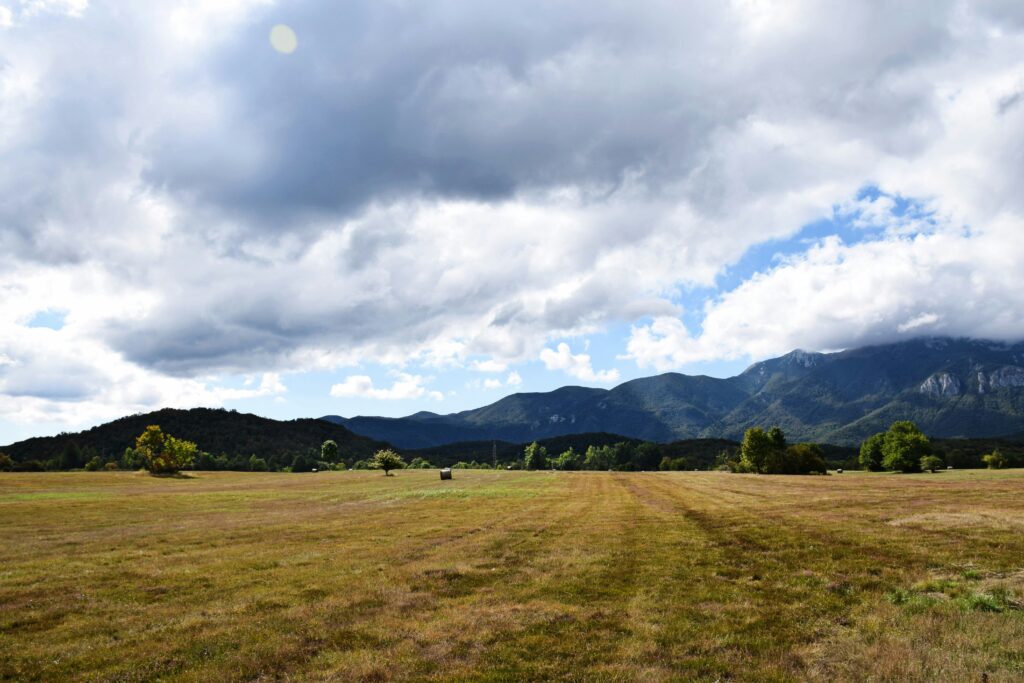
Located in the heart of the rolling hills of the overlooked Lika region, Ličko polje is an exceptionally expansive, wide highland plain surrounded by imposing mountains, including the Velebit range to the west. Spanning around 465 square kilometres in total, it is easily one of the defining landscapes of inland Croatia.
The plain sits at an altitude of roughly 565 to 590 metres above sea level and stretches for around 60 kilometres. Putni kofer writes that its truly unique geography was shaped by slow karst processes, creating a landscape of open fields, hills, underground waters, and rivers that disappear into the ground.
Several smaller areas make up Ličko polje, including Lipovo, Kosinjsko, Pazariško, Brezovo, and Gospićko polje. The city of Gospić is the largest settlement in the area and serves as an important centre for visitors exploring Lika.
Unlike Croatia’s busy coastal destinations, Ličko polje offers peace, wide open spaces, and a slower rhythm of life. The region is known for agriculture, especially traditional farming and livestock production, with the fertile areas supporting crops such as the famous Lika potato.
Water is one of the most fascinating features of the landscape. Rivers and streams flow across the plain, including the Lika River, but the porous karst terrain means that many waterways disappear underground before reappearing elsewhere.
For travellers, Ličko polje provides an opportunity to experience a less-known side of Croatia. The surrounding mountains, rural villages, traditional food, and proximity to attractions such as Velebit and the wider Lika region make it an appealing stop for visitors interested in nature and authentic local culture.
The area also reflects some of the challenges facing inland Croatia. Like many rural regions, parts of Lika have experienced population decline, leaving small villages and communities spread across a large landscape.
Still, Ličko polje remains one of Croatia’s most distinctive natural areas. It’s a place where mountains, fields, rivers, and traditional ways of life come together to create a landscape very different from the Adriatic coast.