August the 2nd, 2026 – Few have heard of the Slavonian banovac, but there’s a small, totally overlooked Croatian town that had its very own money over 770 years ago.
Long before Croatia existed as we know it today, and long before it had the kuna or the adopted the euro, a small town in Slavonia was already making history with its own currency. Turning the clock all the way back to the 13th century, the town of Pakrac was home to one of the first Croatian mints, where the famous Slavonian banovac was produced. Putni kofer writes that over 770 years later, this special medieval silver coin remains one of the most fascinating reminders of the town’s importance in Croatian history.
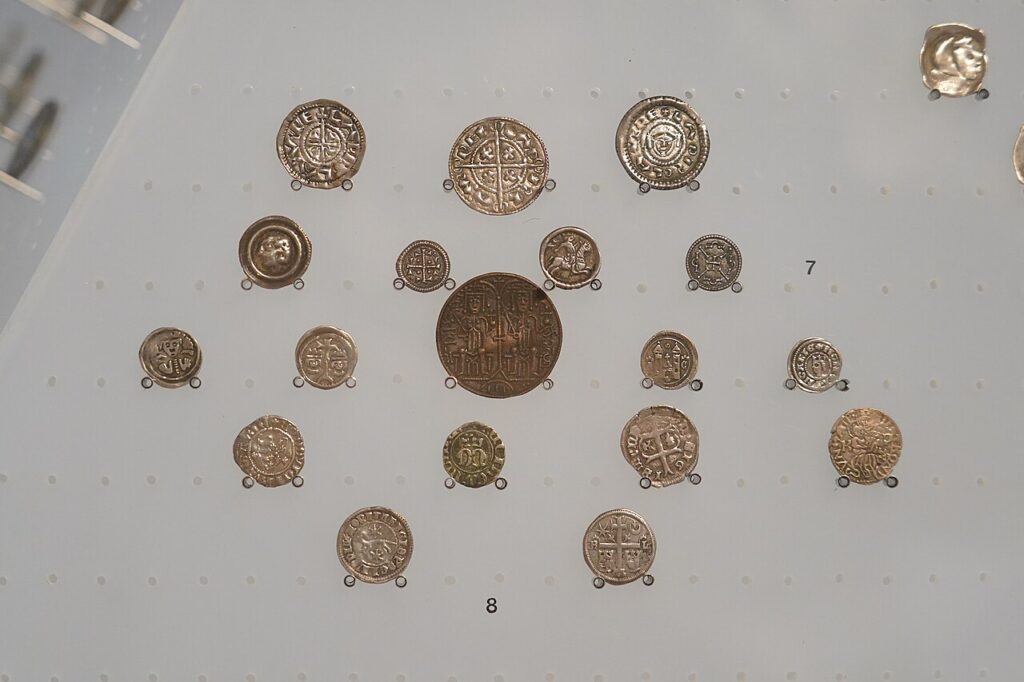
The first reliable written mention of Pakrac dates back to 1256, in a charter issued by King Béla IV. The same document mentions a mint located in the town, one of the earliest known mints in Croatia. Between 1256 and 1260, silver Slavonian banovacs were minted in Pakrac before the mint was later moved to Zagreb. These coins were known for their quality and widespread use, becoming an important medieval currency in the region.
The coin itself carried symbols that are still remembered today. One side featured a running marten, while the other showed a double cross with two crowned heads. The image of the marten later became connected with Croatian monetary tradition.
At the time, Pakrac was not just a small settlement. It was an important medieval centre with a powerful fortress, connected to the Knights Hospitaller, one of the influential military orders of the Middle Ages. Today, visitors can discover the story of the Slavonian banovac at the Museum of the City of Pakrac and learn about the town’s unusual role in Croatian financial history. The medieval coin has also inspired modern events celebrating Pakrac’s heritage, including the annual Slavonian Banovac fair.
A small Slavonian town once minted its own money, and over seven long centuries later, its medieval coin remains a symbol of Croatia’s exceptionally varied and rich history.