
November the 7th, 2026 – The European Union is currently preparing itself and its member states for crisis by encouraging the stocking of food and other supplies, but just how prepared is Croatia?
Just how ready is Croatia for more serious crisis situations, such as major power outages, supply disruptions, natural disasters or security threats? Vedran Salvia reports for Index that this specific question is opening up once again after the European Commission published guidelines in which it recommends that people prepare stocks of food, water, medicines and other basic necessities for at least 72 hours of crisis.
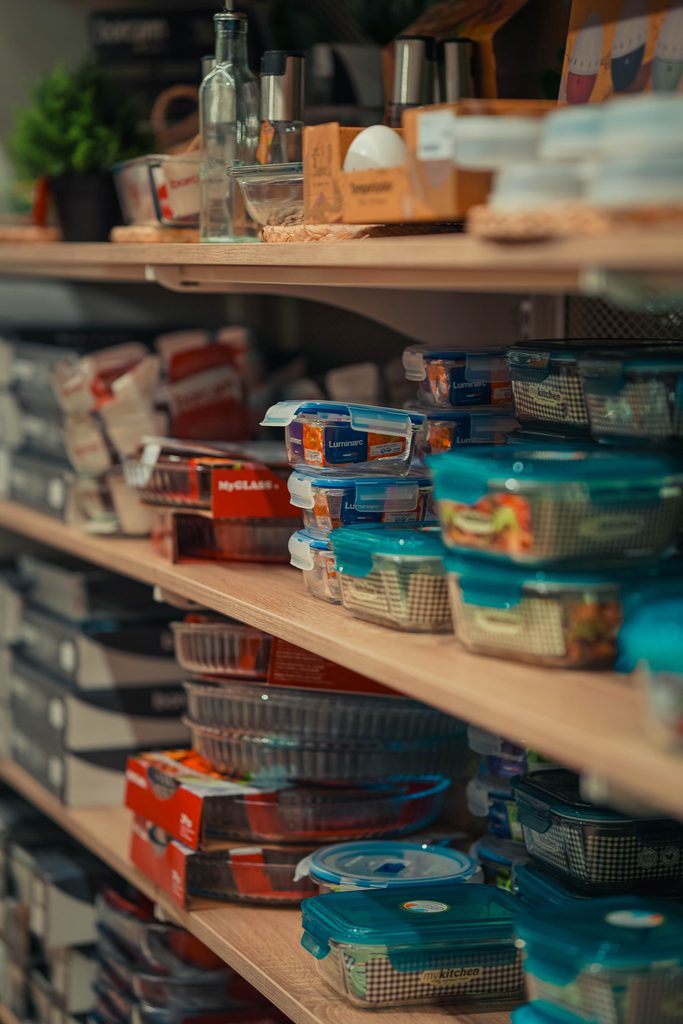
The emphasis is placed on three-day self-sufficiency of the general public. The European Commission recommends that households have basic stocks of food, water, medicines and other necessities ready and prepared, as well as a pre-packed bag or backpack with the most necessary things in case of emergency evacuation. In addition, the guidelines cover three more areas: education of children on how to act in crisis situations already from kindergarten age, with an approach adapted to their age, special protection measures for persons with disabilities, and clearer and much more timely information about possible dangers.
All of this is a continuation of the broader Union Preparedness Strategy, which the European Commission presented back in March 2025. The strategy covers 30 measures by which it seeks to strengthen the ability of the EU and its member states to respond to various crisis situations.
the government hasn’t bothered to show much interest in the eu’s recommendations
The new European recommendations have been intensively discussed in the media in recent days, yet the Croatian Government has so far not publicly presented the new guidelines nor explained whether and in what way it plans to implement them whatsoever in Croatia. Although the guidelines are not legally binding for the member states, the absence of official communication is somewhat surprising. The European Commission, namely, expressly states that it wants with them to encourage national authorities to develop their own preparedness measures, adapted to the circumstances and needs of individual countries.
It should be said that Croatia already has its own recommendations for acting in crisis situations. The Directorate of Civil Protection has published on its pages instructions for preparing a survival kit, which includes food, water, medicines, a battery torch, a radio receiver, documents and other necessary necessities. The existing Croatian instructions recommend stocks of food and water for at least two days.
An inquiry was therefore sent to the government in which an answer was requested specifically to the question of whether it plans to present the new European recommendations to the public. The second question was whether or not it plans to issue its own guidelines and, if it plans them, when their publication can be expected. The question of just how ready Croatia genuinely is for more serious crisis situations, what the current state of the shelters is, how many of them are functional and whether there are plans for their renovation was also posed. Information was also requested on the sufficiency of state strategic commodity reserves in the event of a longer-lasting crisis.
there are serious issues with croatia’s shelters

The state of Croatian shelters is called into question by the finding of the State Audit Office from 2024, which warned of numerous omissions in their management and maintenance. The audit established that of the 476 shelters managed by the 14 covered cities, 306 of them were not regularly used, and the cities did not undertake the necessary activities to put them into use. In seven cities only visual inspections of the shelters were carried out, without minutes on their correctness. The auditors also stated that the Directorate of Civil Protection did not have reliable and updated data on the condition and equipment of the shelters, and inspection supervisions did not cover the checking of the public shelters themselves.
City risk assessments did not cover threats such as wars and terrorist attacks. Due to the established deficiencies the State Audit Office issued a total of 158 orders and recommendations, and assessed the management of shelters in seven cities and the Directorate of Civil Protection as partially effective.
there are also massive problems with medicines…

According to the Government report for 2025, state commodity reserves were distributed at a total of 357 locations throughout Croatia. The total value of state commodity reserves at the end of last year amounted to 93 million euros, which is 6.87 percent more than the year earlier. Particularly worrying is the fact that Croatia at the end of 2025 in the strategic commodity reserves did not have recorded medicines, sanitary or consumable medical material, although their holding is provided for by regulations. Namely, the Act on Strategic Commodity Reserves from 2022 expressly includes among strategic products medicines, vaccines, antidotes and medical material, while the state balance determines the concrete products that need to be secured.
In total, it is a matter of 106 types of products for which it is expressly stated in the report itself that they need to be held in state reserves, but they are not in stock. Their procurement has been announced for years, but even at the end of 2025 that part of the strategic reserves was not filled. According to unofficial information from Jutarnji list, the Ministry of Health has for years not amended the regulations necessary for the procurement of medicines into state reserves. The Ministry of Economy confirmed that there are legal obstacles and that the situation has not changed even during 2026.
In the warehouses there were cereals, oil, sugar, cans, tents and other necessities, but certain hygiene products were missing, including soap, incontinence diapers and means for disinfecting water and space. According to the Annual Report of the Ministry of Economy for 2025, the total filling of the planned balance of strategic commodity reserves amounted to only 51.39 percent. The filling of food reserves amounted to 72.4 percent, and of non-food 81.75 percent. This is the realisation of the state stock plan.
risks already faced by croatia
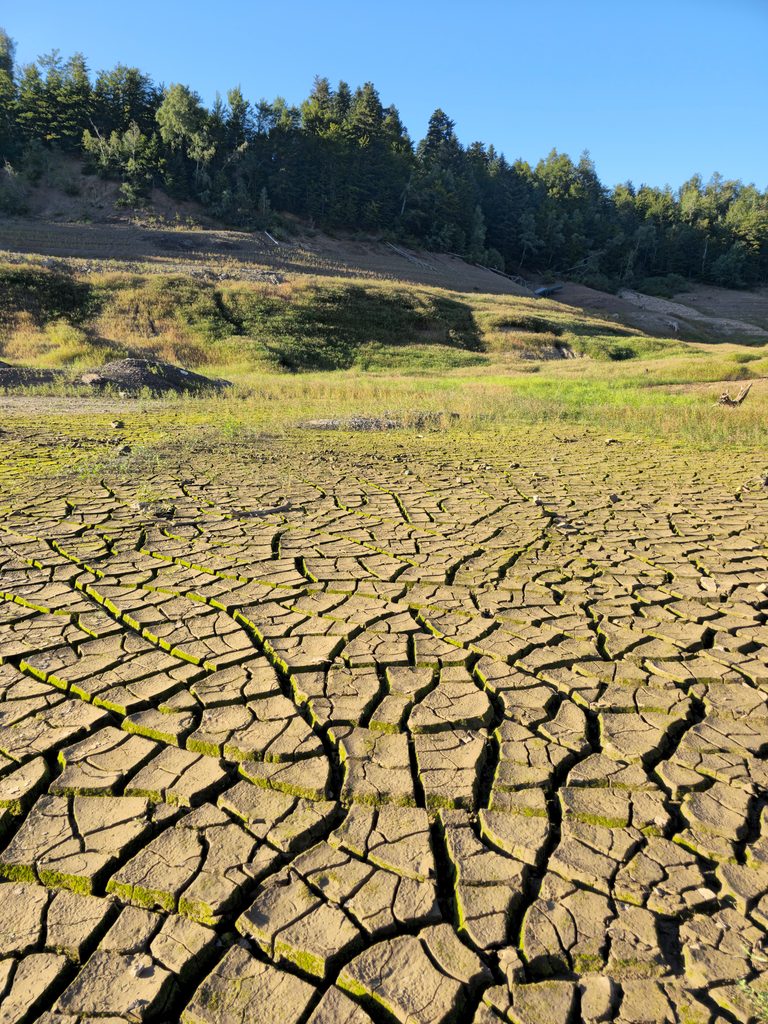
As we have already written, the European Commission warns of a series of threats, from geopolitical tensions and possible military conflicts to cyber attacks, sabotage of critical infrastructure, natural disasters and disruptions in supply. It is clear that such risks do not bypass Croatia either, especially when it comes to cyber attacks, possible supply disruptions and other disruptions that can spread across national borders. However, there are also dangers that the Croatian institutions themselves warn about. According to official data of the Directorate of Civil Protection, among the significant risks for Croatia are earthquakes, floods, open space fires, landslides, extreme temperatures, strong winds and epidemics. Croatia has in recent years already experienced the consequences of devastating earthquakes in Zagreb and in Banovina, large fires and floods.
Such natural disasters can cause longer-lasting interruptions in the supply of electricity and water, damage transport infrastructure and hinder the work of emergency services.
the great power outage of 2024 – a stark warning
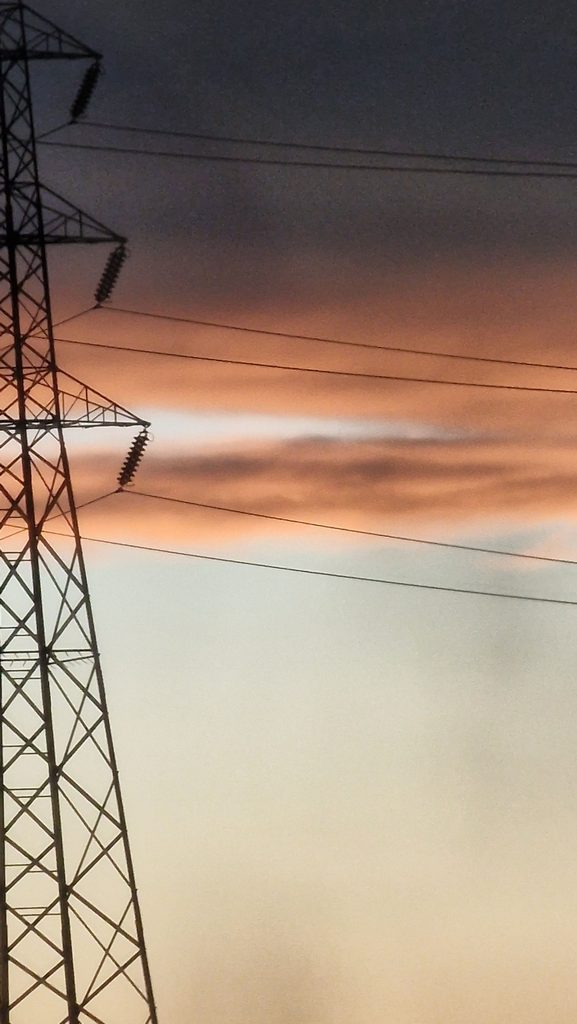
How possible such disruptions are is also shown by the example of the 21st of June 2024, when due to a major failure in the electricity system across a lot of southeastern Europe, a large part of Dalmatia was left without electricity, as were large parts of Bosnia and Herzegovina, Montenegro and Albania. The power outage caused problems in traffic, communications and the everyday functioning of people and almost all infrastructure.
According to the report of the Croatian Energy Regulatory Agency for 2024, the supply interruption in Croatia affected almost 200 thousand network users, and individual users were without electricity for almost four hours. The incident showed how quickly a disruption in interconnected electricity systems can spread across state borders. Therefore the question of preparedness is not related only to possible war and security threats, but also to the dangers that Croatia has already faced. The question remains how ready the civil protection system, shelters and state commodity reserves are today to respond to a new major crisis.