September the 25th, 2026 – Zagreb is an up and coming city break, but it could be more than that thanks to the remote worker boom. Many talk about Croatia’s famed “digital nomad visa”, but 90 days and zero admin could be all you need.
Not every remote worker wants (or needs) a full digital nomad visa. For many professionals, the classic Croatian “temporary stay of digital nomads” route – with its income thresholds, documentation piles and multi-month planning – is overkill. If your passport already allows visa-free entry to the Schengen area, you can simply turn up and stay for up to 90 days in any 180-day period. That window is long enough to settle into a real routine, yet short enough to feel like an extended city break rather than a bureaucratic relocation. Zagreb is perfectly suited to this lighter approach.
the 90 day limit could be all you need
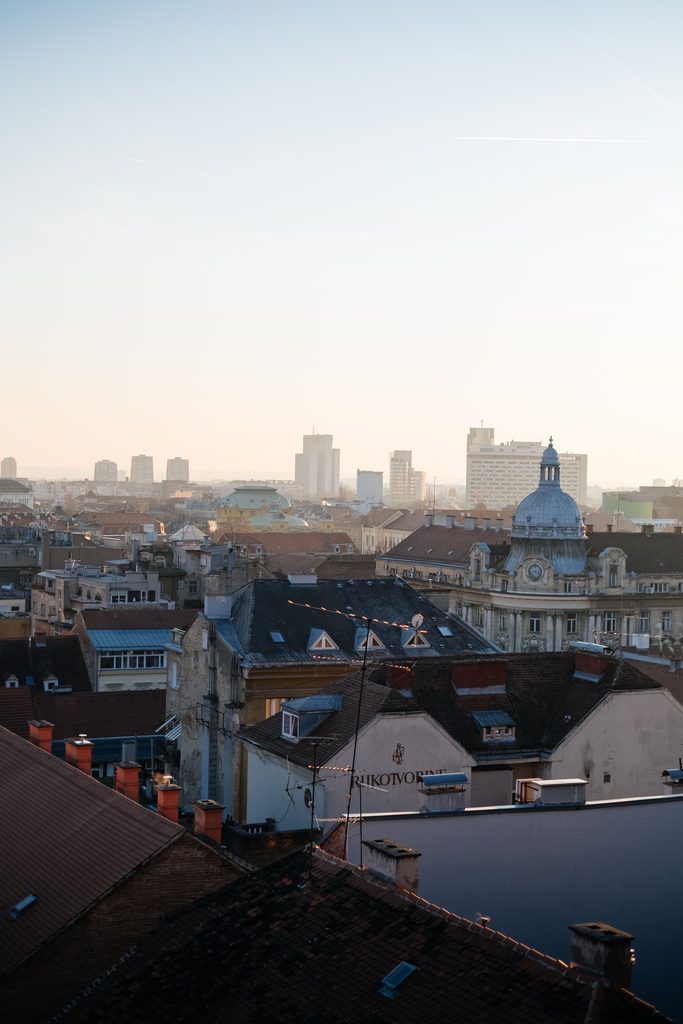
Unlike the coastline and the islands, which swing between peak-season summer intensity and winter quiet, Zagreb functions as a proper European capital all year. Trams run, cafes stay open, co-working spaces keep their regular hours, and the cultural calendar never really stops. You get the infrastructure of a serious city without the summer price spikes that hit Split or Dubrovnik.
Reliable high-speed internet is the baseline, not a luxury. The co-working scene is mature and varied – from community-focused hubs to quieter central spots – so you can choose between focused workdays and networking as the mood takes you. Plenty of remote workers simply rotate between a well-chosen apartment and a handful of cafes with strong Wi-Fi and power sockets; the cafe culture here is built for lingering.
a big-little city with plenty to offer
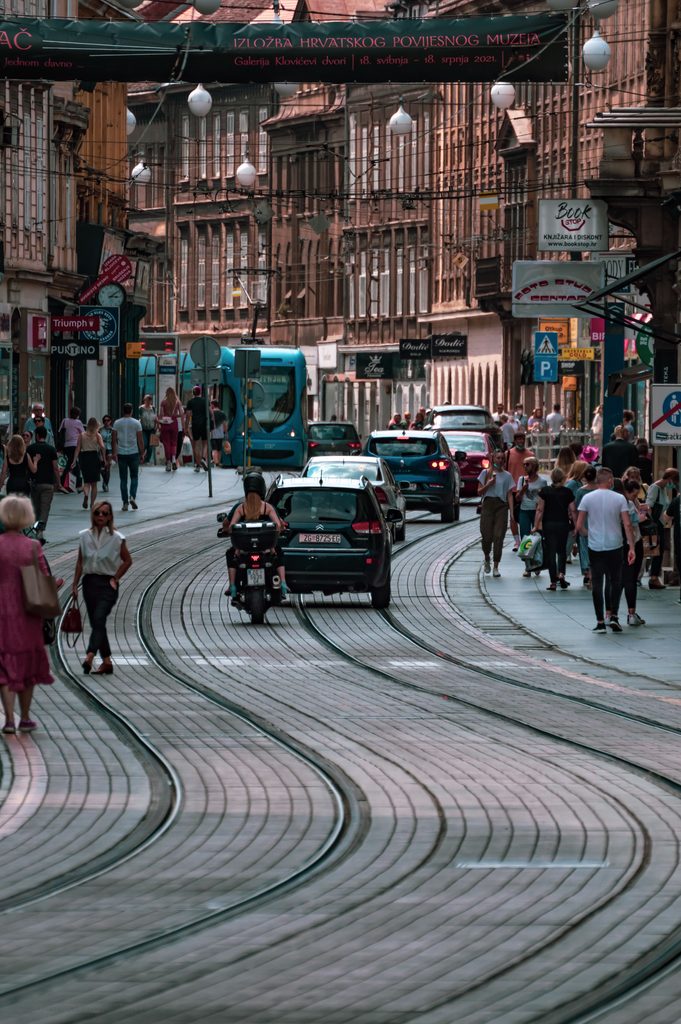
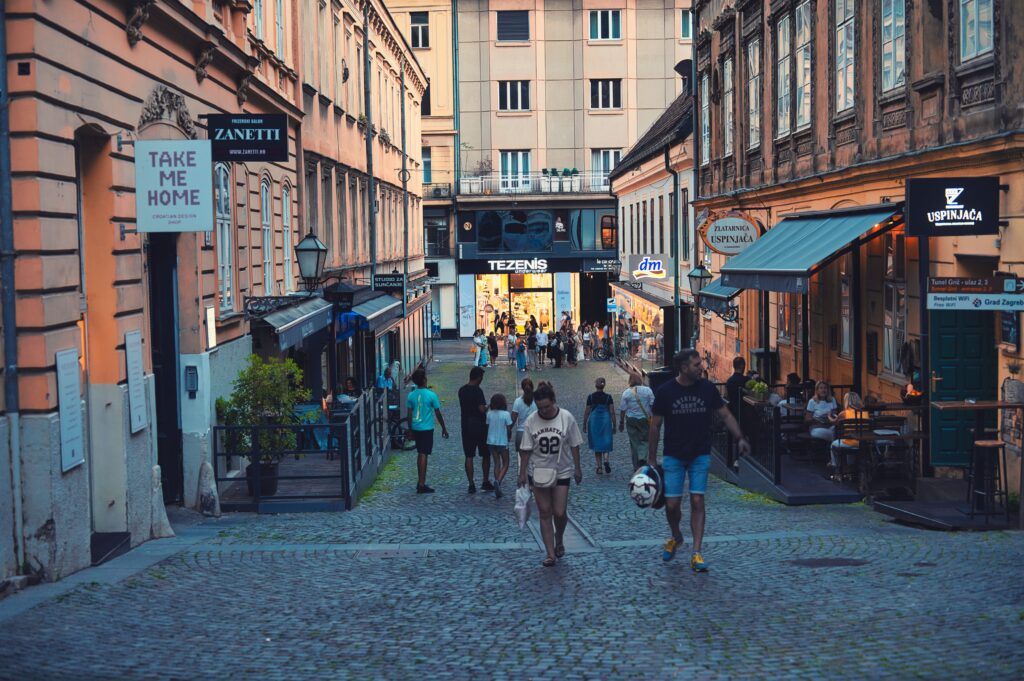
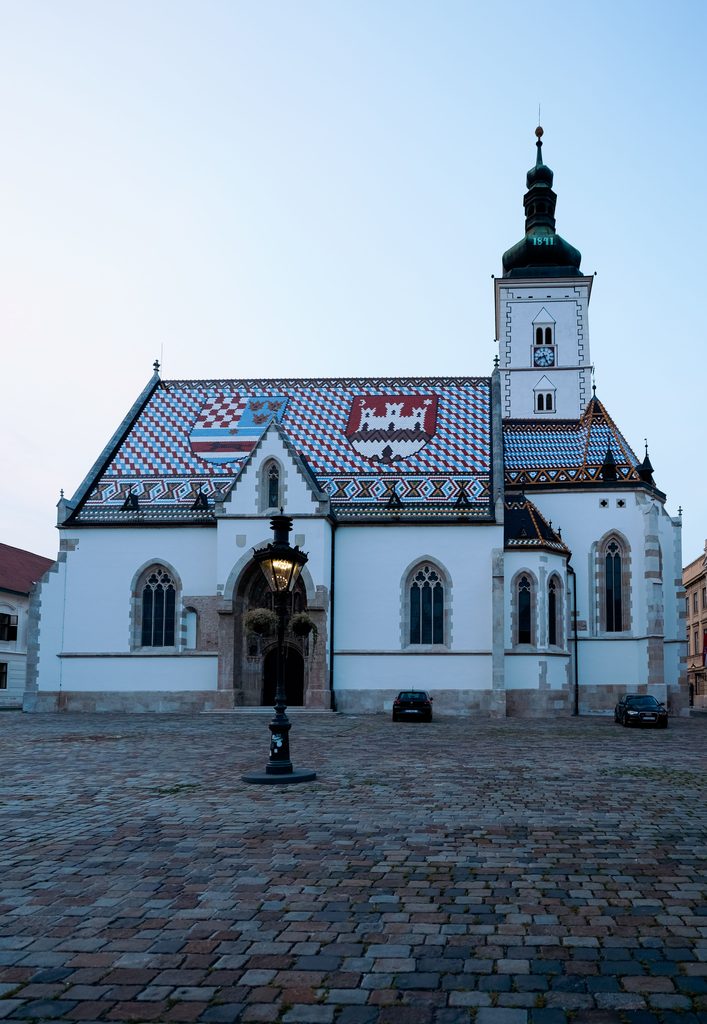
Outside working hours, the city rewards curiosity. Upper Town’s cobbled streets and the instantly recognisable St Mark’s Church, the Museum of Broken Relationships, Maksimir Park, Lake Jarun (Zagreb’s unofficial “sea”), and the open-air Dolac Market are all within very easy reach. In the evenings, the bar and restaurant scene is lively without being overwhelming. Weekends open the door to day trips – Plitvice Lakes, the hills around Samobor, or a quick train to Ljubljana – without the stress of long-haul logistics.
Cost of living remains noticeably lower than in most Western European capitals, so a three-month stay feels financially sustainable rather than extravagant.
you don’t need to be a digital nomad to… be a digital nomad
Croatia’s official digital nomad temporary stay is designed for longer periods (up to 18 months) and requires proof of remote work for a non-Croatian entity, health insurance, a clean criminal record, and a minimum income currently set at 2.5 times the average net salary – currently over €3,600 per month, or the equivalent in savings. Processing takes time and the paperwork is real.
The 90-day Schengen short stay, by contrast, asks far less of you if your nationality qualifies for visa-free entry. You arrive, register your accommodation as required, work remotely for your existing foreign employer or clients, and leave before the 90 days are up (or before you hit the 183-day tax-residency threshold if that matters to you). No special permit, no income threshold tied to Croatian averages, no multi-week application process. It is simply a long, productive city break with a laptop. Of course the usual rules apply: you cannot take local employment, and the days count toward your overall Schengen allowance. But for many remote professionals testing life in Croatia, or simply wanting a change of scenery without administrative drama and a baptism of fire from the Croatian bureaucratic machine, that is precisely the point.
who could this work best for?
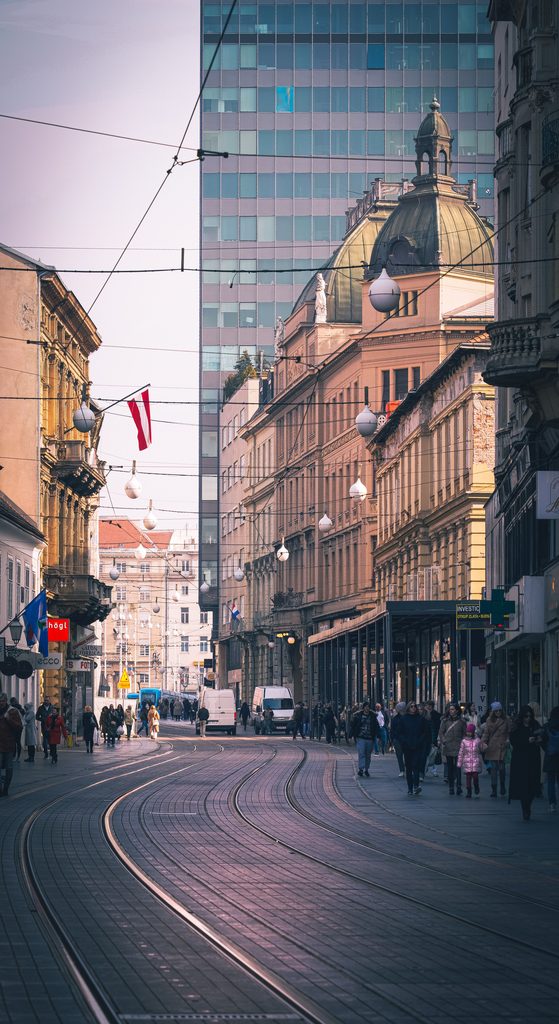
This approach suits a whole cohort of people; those who already work remotely for a company or clients outside Croatia and hold a passport that allows 90 days visa-free in the Schengen zone, those who want a proper base rather than a series of hotel stays and those prefer a walkable, cafe-packed European city with four seasons and good transport links, and those who are curious about Croatia but not yet ready to commit to the full digital nomad process. It also works well as a trial run. Spend 60–90 days in Zagreb, get a feel for the rhythm, the food, the community and the climate, then decide whether a longer digital nomad stay or a return trip next year makes sense for you.
no visas, no paperwork, and full freedom
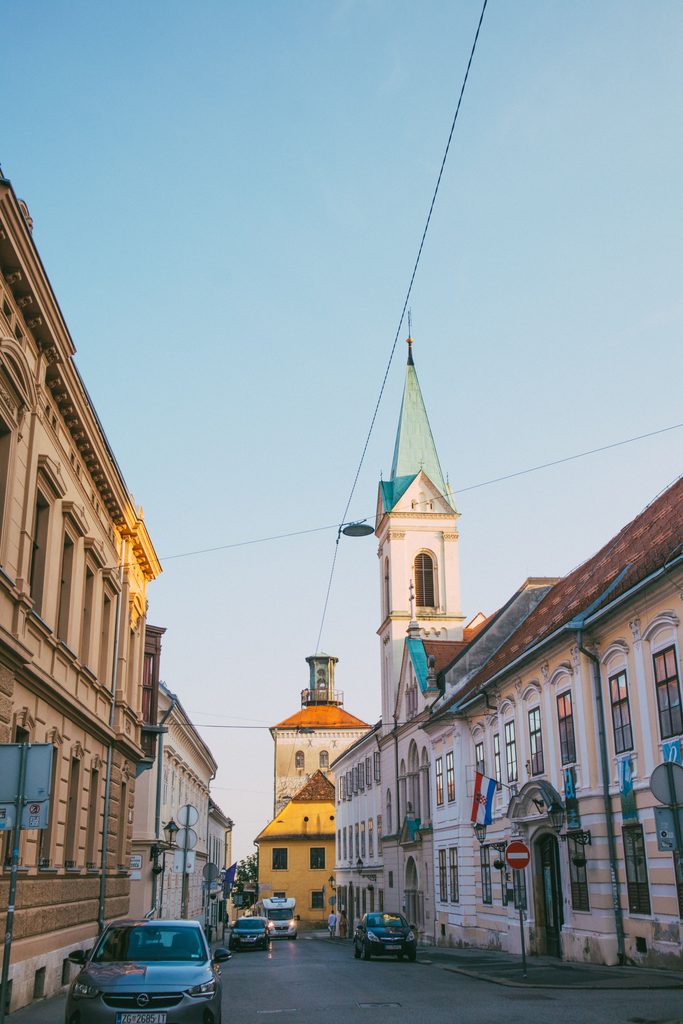
Book a furnished apartment or serviced flat with reliable internet rather than a short-term tourist rental if you can. Join a coworking space for at least a few days a week to meet people. Use the city’s excellent public transport and the green spaces to keep the work–life balance healthy. And treat the weekends as genuine exploration time – Zagreb rewards slow discovery more than checklist tourism.
In short, you do not need a special visa to work remotely from Croatia for three months. You just need a laptop, a passport that opens the Schengen door, and a city that actually works for everyday life. Zagreb quietly delivers on all three. For practical information on accommodation, events and getting around, the Zagreb Tourist Board is a good starting point. The rest is simply showing up and getting to work – and leisure.