June the 13th, 2026 – A race against time is playing out in Pula as Croatia attempts to rescue the critically endangered noble pen shell from complete extinction.
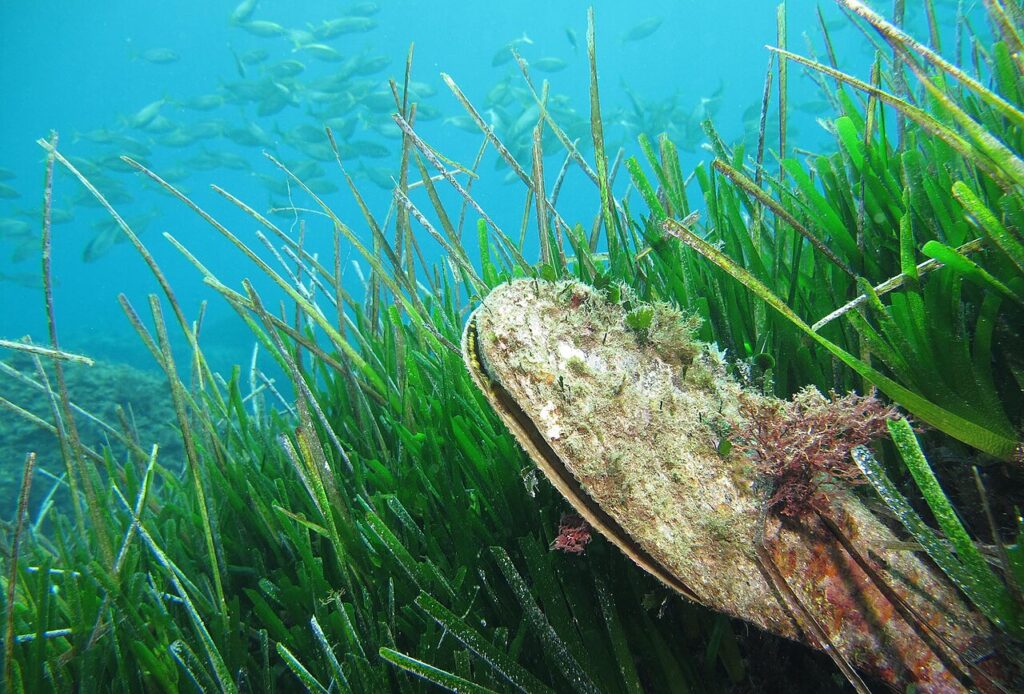
Deep inside the glass walls of a laboratory in Pula, scientists are attempting something that only a few years ago would have sounded impossible: bringing one of the Mediterranean’s most iconic marine species back from the edge of extinction. The species is the noble pen shell, or Pinna nobilis if you will. It’s the largest shellfish in the Mediterranean and once a familiar sight across the Adriatic seabed. Today, it is tragically one of Europe’s most endangered marine forms of life.

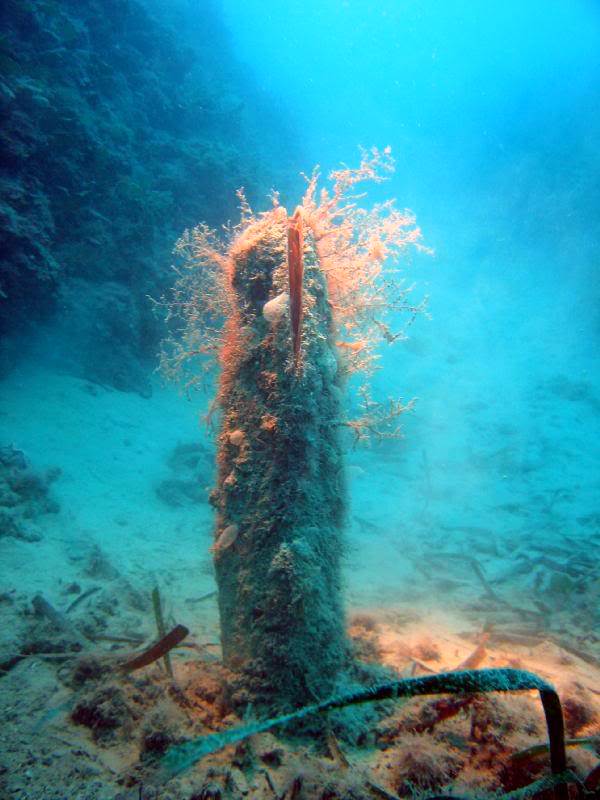
Over the past several years, populations of the noble pen shell have all but entirely collapsed across the Mediterranean following the spread of a deadly parasite and mass mortality events that devastated local ecosystems. In many areas, mortality rates reached nearly 100 percent, transforming once-thriving habitats into fields of empty shells. Croatia has not escaped the crisis, with less and less living noble pen shells discovered throughout the Adriatic as time goes on. Most of those found are no longer alive and act as deathly reminders of the sea’s plight.
For a great many years, divers, marine biologists, public institutions and volunteers have searched the Adriatic for surviving individuals. The results have been sobering: only a small number of confirmed living specimens remain across Croatian waters.
That’s where Pula enters the whole saga. Poslovni reports that at the laboratories of Aquarium Pula, researchers are trying to do something increasingly rare in conservation. They don’t simply want to try and protect surviving individuals in the wild, they want to maintain and potentially even reproduce the species under strictly controlled conditions.
This dedicated work involves monitoring rescued specimens, creating stable environmental conditions, observing growth patterns, and studying whether surviving individuals may carry traits that allowed them to resist the disease. The hope is that those survivors could eventually form the basis of future recovery. Recent developments have provided reason for cautious optimism.

Monitoring work being carried in Istria has managed to successfully identify multiple juvenile noble pen shells, an unusually encouraging result after years of serious decline. Those young individuals were transferred into controlled environments where scientists continue to monitor their development and long-term survival.
Researchers remain careful not to describe the findings as a breakthrough and marine recovery is painfully slow, uncertain, and very difficult to predict. Even if reproduction and survival improve in laboratory conditions, rebuilding wild populations would likely take years and depend on broader environmental conditions across the Adriatic and Mediterranean that could alter at any given moment. It does have to be said, however, that the very existence of surviving juvenile noble pen shells does change the conversation.
For the first time in years, the question now is no longer be whether the species can survive at all, but whether there’s enough time left to scale protection efforts before remaining populations disappear.
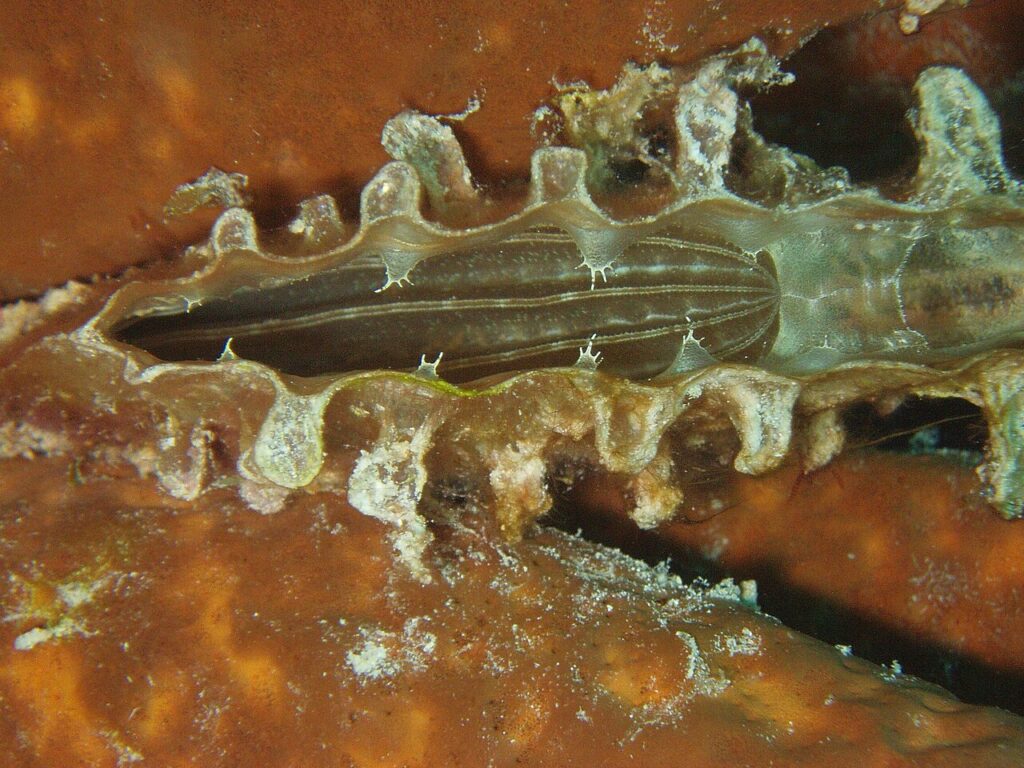
They aren’t something you frequently hear much about, and they’re not very glamorous, but the noble pen shell occupies a unique role in Croatia’s rich marine ecosystem. Embedded deep down on the seabeds, these shellfish filter seawater, create micro-habitats for smaller organisms, and contribute to underwater biodiversity. Their disappearance affects more than a single species, it dramatically alters entire marine environments.

For Croatia in particular, the far wider conservation effort now relies on a combination of science and public awareness and participation. Divers and visitors are still encouraged to report possible sightings of living individuals of this strictly protected species, while researchers continue searching for signs of natural resilience in surviving populations.