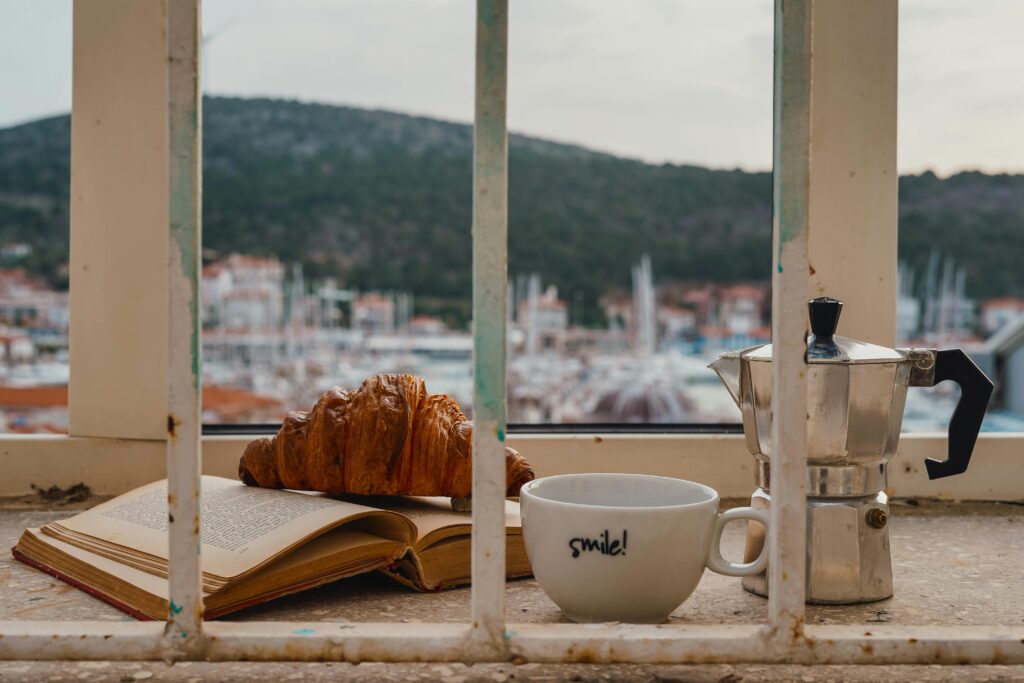
May the 19th, 2026 – In Croatia, coffee culture is (almost) as ancient as its coastal streets, but rising prices as inflation keeps on biting are beginning to feel like a personal attack on a ritual so important to many.
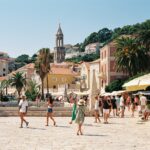
Few habits are more deeply connected to everyday Croatian life than sitting at a cafe terrace for hours over a single (often amusingly tiny) coffee. Business meetings, friendships, family conversations and daily routines often revolve around coffee culture in ways visitors immediately notice.
This is exactly why rising coffee prices are becoming such an emotional public issue. Across social media, people are increasingly debating the cost of coffee in Croatia, especially along the Adriatic coast, on the more popular islands and in major cities like Zagreb and Split. The reaction is often surprisingly intense.
croatia’s coffee identity
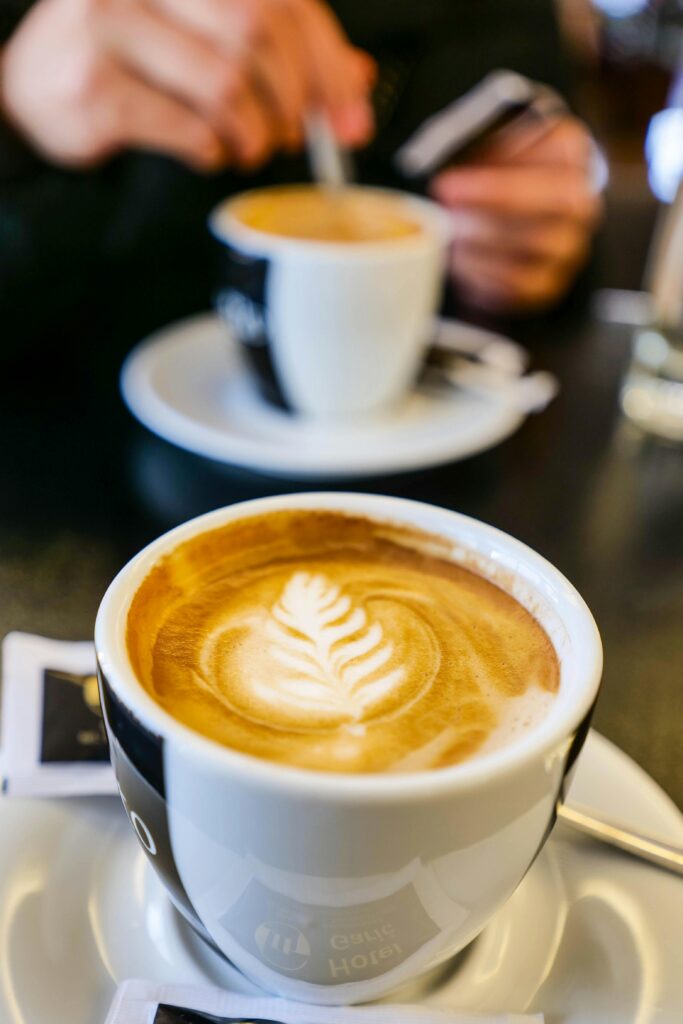
In Croatia, the coffee culture is famous. Unlike faster coffee cultures found elsewhere in Europe, Croatian cafes are built around lingering, socialising and treating coffee almost as a daily ritual rather than quick consumption. Terraces stay full for hours. Meetings are scheduled around coffee, as is complaining – also known as the national sport. Coffee is so deeply woven into the Croatian psyche that it is instantly noticed by all who visit. That’s precisely why rising coffee prices are such an insult to many.
Over the past two years, coffee and indeed cafe prices in general have steadily risen across much of, if not all of Croatia. What once felt like a relatively inexpensive daily habit increasingly feels noticeably more expensive, especially in tourist-heavy areas. Croatian social media is now full of photos of expensive seaside coffees, receipt breakdowns, debates about cafe pricing and comparisons with prices from only a few years ago.
The introduction of the euro also made price increases psychologically more noticeable for many consumers. A coffee that once seemed affordable in kuna suddenly feels different when displayed as 2 or 3 euros per cup.
One reason prices continue rising is tourism itself. Coastal cafes and bars increasingly price around international visitor spending power rather than local salaries, especially during summer. For tourists from western Europe, 2.50 or 3 euro coffee prices may feel relatively normal. For many Croatian residents, however, especially outside major urban salary levels, those same prices feel far more significant. This creates growing tension between local everyday life and tourism-driven pricing models.
cafe owners are also feeling the pressure of inflationary woes
From the perspective of hospitality businesses, costs have also risen sharply. Energy prices, wages, rents, imported coffee costs and staffing shortages all affect pricing decisions. Many cafe and bar owners argue they are simply adapting to broader inflation and operating realities rather than intentionally overcharging customers. Croatia’s hospitality sector remains highly seasonal in many regions, meaning businesses often depend heavily on strong summer revenue to survive quieter months.
What makes the issue culturally interesting is that public frustration is not really only about caffeine and being able to nurse it for hours while complaining about political scandals or who is getting another divorce. Coffee prices became symbolic because cafe and coffee culture sits so close to Croatian social identity. When everyday coffee starts feeling expensive, people feel that ordinary social life itself is becoming less accessible.
That emotional response explains why cafe pricing discussions often become surprisingly heated and repetitive online.
Despite the complaints, Croatian cafes remain crowded and tiny coffee cups remain the most frequent residents of dishwashers nationwide. Terraces in Zagreb, Split, Rijeka and coastal towns still fill quickly, especially during weekends and evenings.
Coffee culture itself remains extremely strong, but ancient habits may gradually be changing. Some consumers are cutting down how often they go out for coffee, shortening their cafe visits or becoming much more selective about where they spend their money. Looking at this in purely economic terms, coffee prices may seem minor compared to housing, groceries or energy costs, but culturally, they touch on something more personal.
In Croatia, coffee has never been just a product consumed to keep you awake for longer, it’s part of routine, identity and social life itself. When something so ordinary starts feeling noticeably more expensive, it’s only natural that people tend to feel that wider economic change very directly.